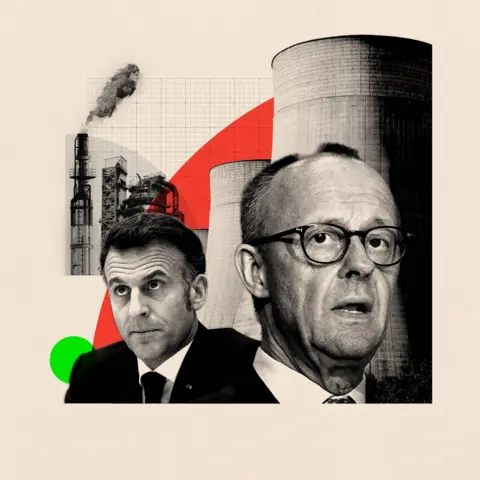
Europe's Energy Crisis: Lessons Unlearned from Past Turmoil
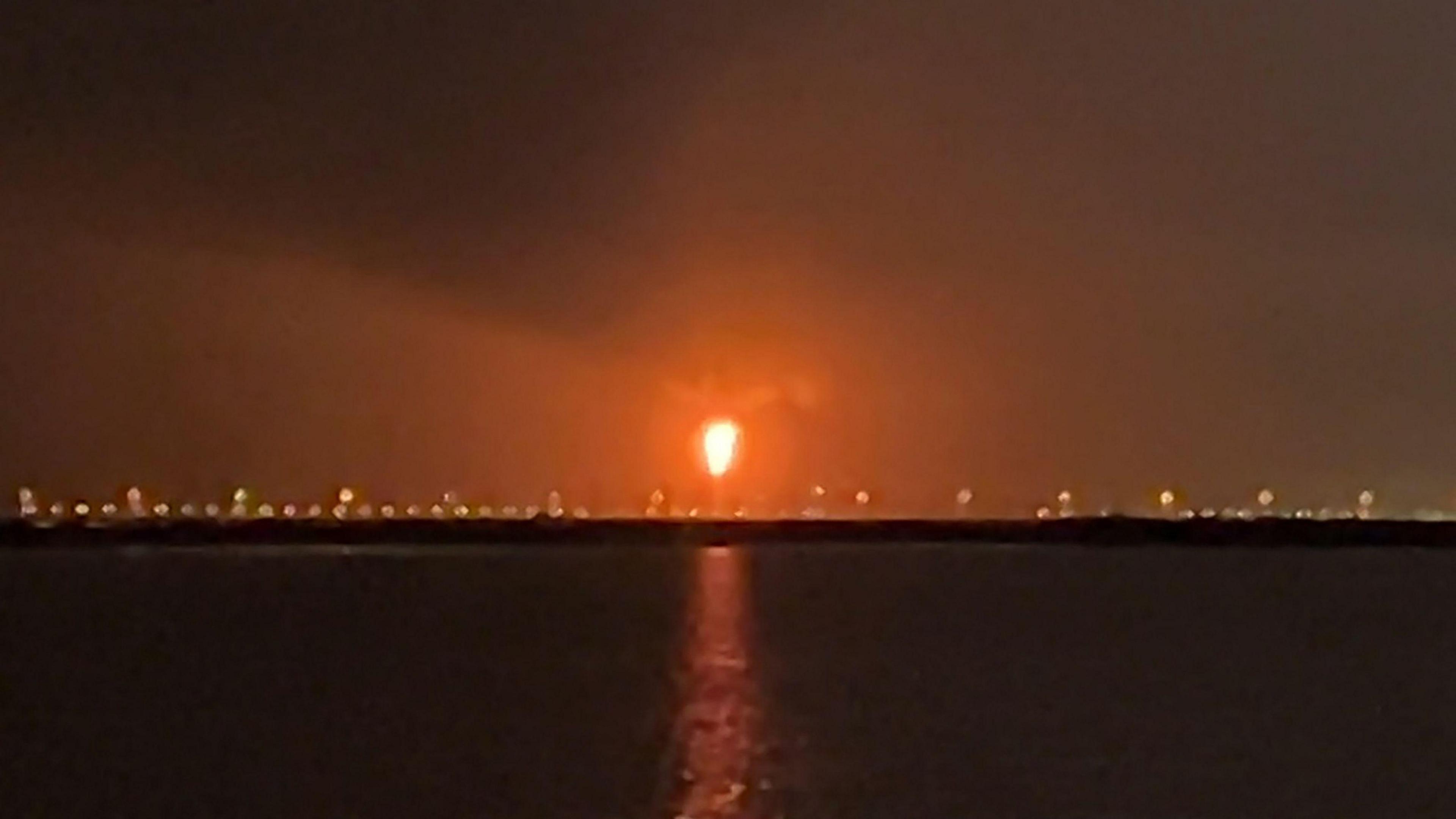
The knock-on effects of conflict in the Middle East are reviving past energy crises that once shook the European Union. Seven months after Russia's invasion of Ukraine in February 2022, European Commission President Ursula von der Leyen accused Russia of manipulating energy markets. Amidst spiraling prices and threats to consumer budgets, the continent now faces a new wave of energy shocks.
Four years later, frustrations among European leaders are palpable, as a prominent diplomat lamented, We swore we'd learn. We promised things would change but here we are, amid rising energy prices attributed to conflicts far beyond Europe. The looming EU summit hints at a return to panic-driven responses instead of long-term planning for sustainable energy independence.
Despite cutting ties with Russian oil, gas, and coal, and pivoting towards suppliers like the US and Norway, Europe remains vulnerable to the same risks if geopolitical conflicts disrupt global markets. A renewed focus on energy diversification and long-term resilience became crucial, especially again considering the shadow of the Iran crisis on prices and supply.
As gas and oil prices spike again, discussions within the EU include drastic measures such as reviewing taxes and price caps to alleviate immediate burdens on consumers. Yet, leaders ponder whether the path of reducing dependency on fossil fuels will clash with growing demands for energy security, escalated by international instability.
In the backdrop of this unfolding crisis, lessons from past energy-dependent relationships implore European nations to come together for a unified strategy. Accelerated electrification and diversified energy policies are vital, but achieving this remains a contentious and challenging endeavor among the EU's many member states.