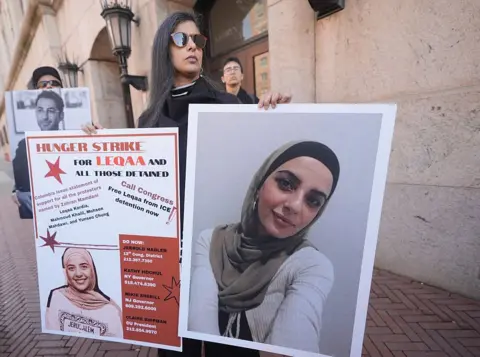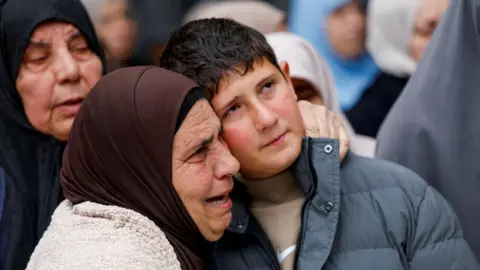
MINNEAPOLIS (AP) – A man was shot in the leg by a federal officer during an altercation in Minneapolis, raising alarm in the community as tensions escalate after a recent deadly incident involving an immigration agent. The latest shooting occurred against a backdrop of protests against federal immigration enforcement, further escalating feelings of fear and anger among residents.
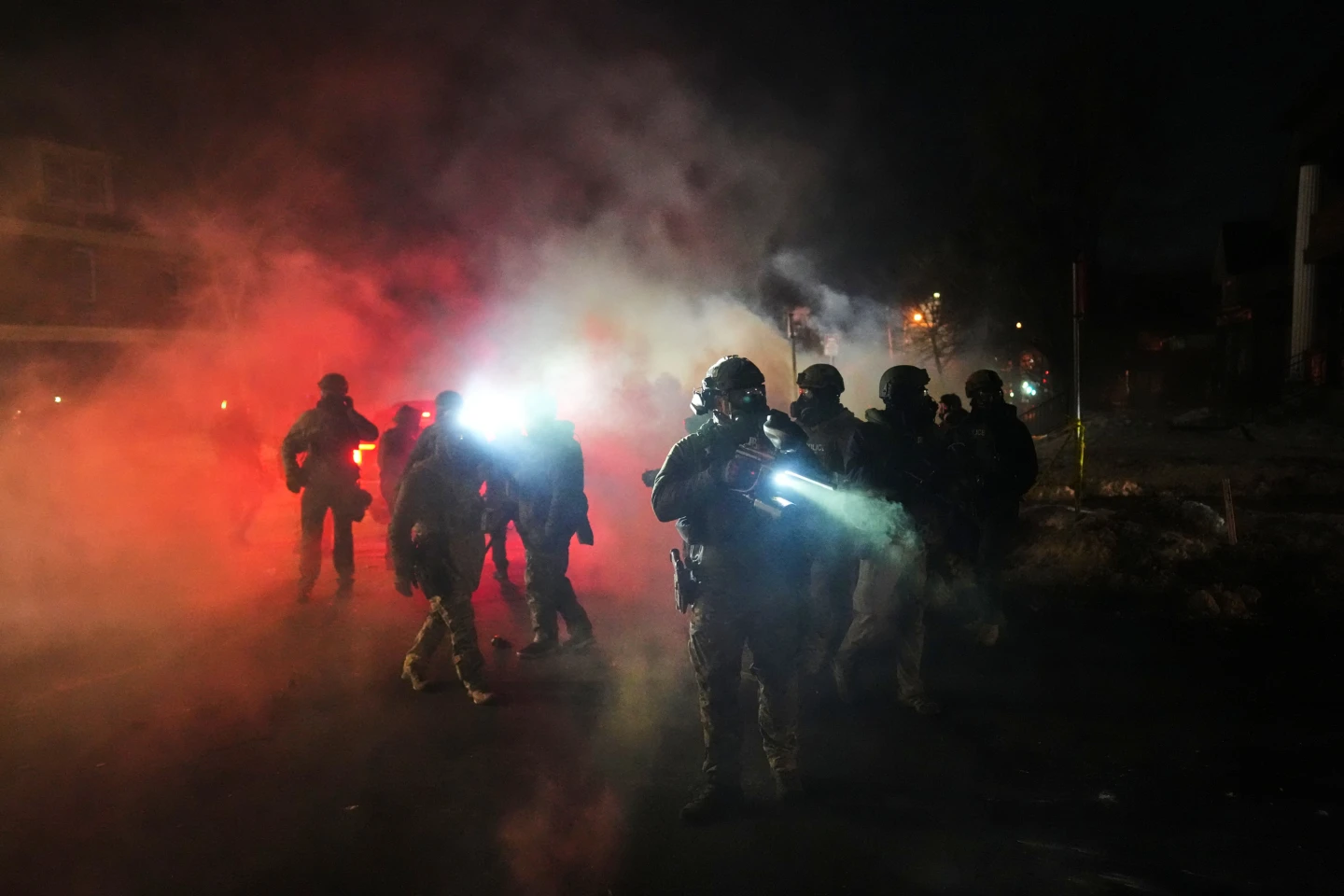
On Wednesday evening, chaos erupted as federal agents donned in gas masks deployed tear gas against protesters. Minneapolis Police Chief Brian O’Hara labeled the gathering an unlawful assembly, urging people to disperse. The unrest has been a frequent occurrence following the January 7 shooting of Renee Good, which has led to an aggressive federal crackdown on immigrants.
Minneapolis Mayor Jacob Frey has characterized the situation as untenable, citing the disproportionate size of federal forces compared to local law enforcement. Many residents are expressing their desires for local police to defend against ICE agents, creating a complex situation for city officials who are attempting to maintain public safety.
According to the Department of Homeland Security, this crackdown has resulted in over 2,000 arrests statewide since December as they continue to pursue individuals suspected of illegal entry into the U.S. The recent shooting incident involved a Venezuelan man who reportedly resisted arrest and attacked the officer with makeshift weapons.
Earlier on the same day, a judge had convened to hear a lawsuit filed against the Trump administration's immigration policies, with state officials arguing that the actions of federal agencies infringe on constitutional rights. As the community grapples with these challenges, Governor Tim Walz has condemned the federal actions as organized brutality against Minnesotans.
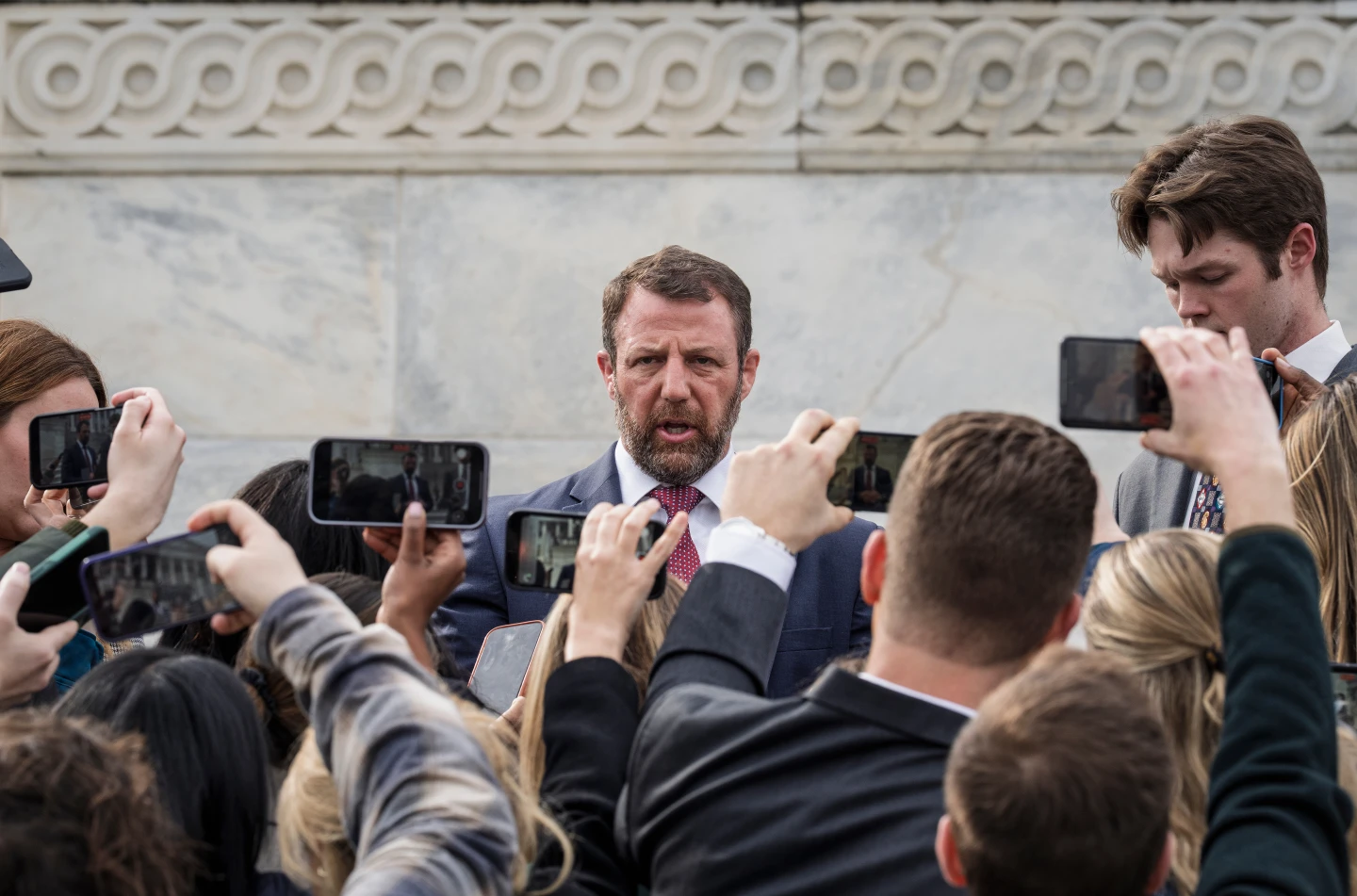
The Pentagon is responding by considering the deployment of military lawyers to assist in the ongoing federal actions, a situation that has raised eyebrows regarding the implications for military and legal resources amidst the existing crisis.
This series of events reflects a broader national conversation on immigration enforcement and its effects on local communities, as residents demand accountability and transparency.