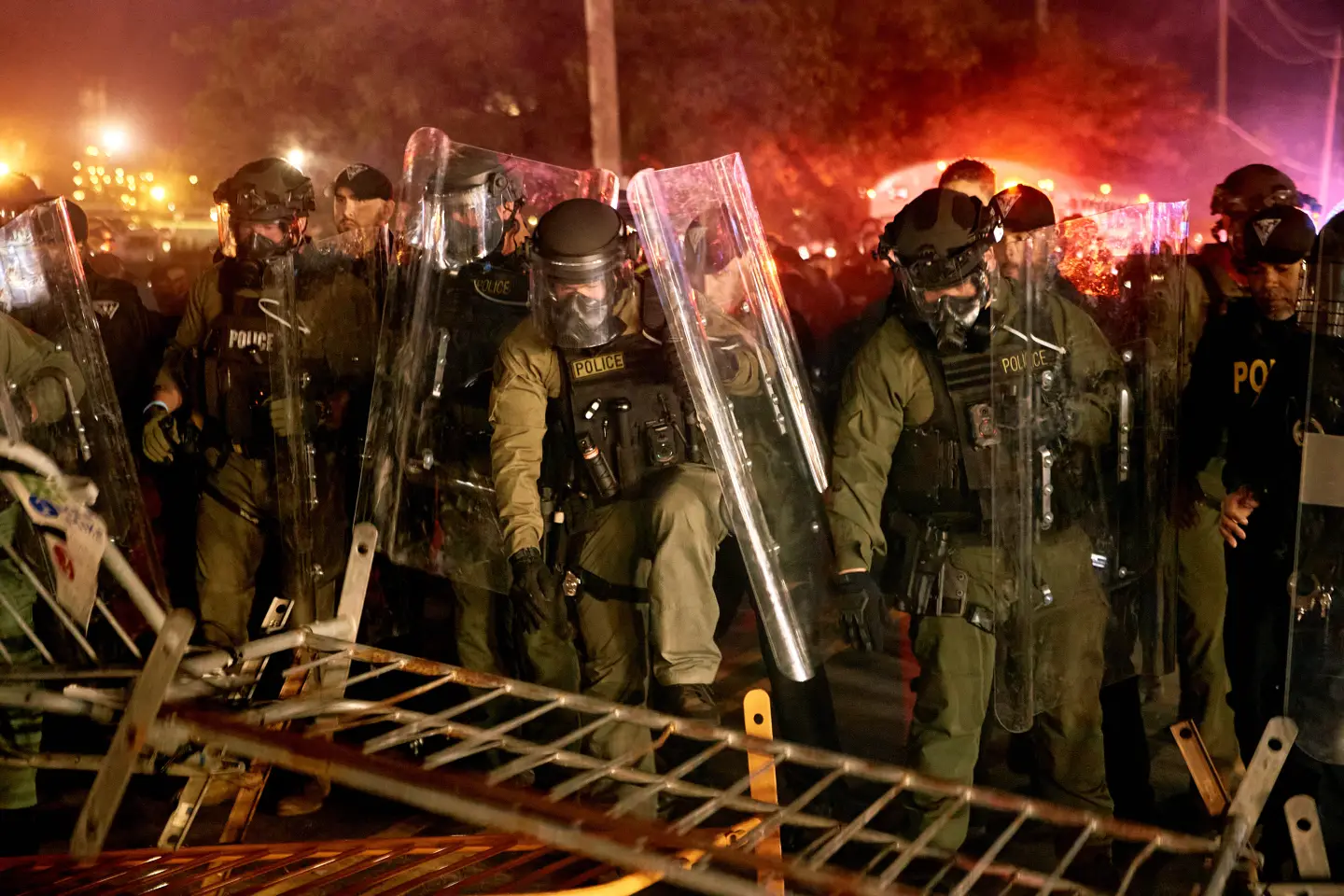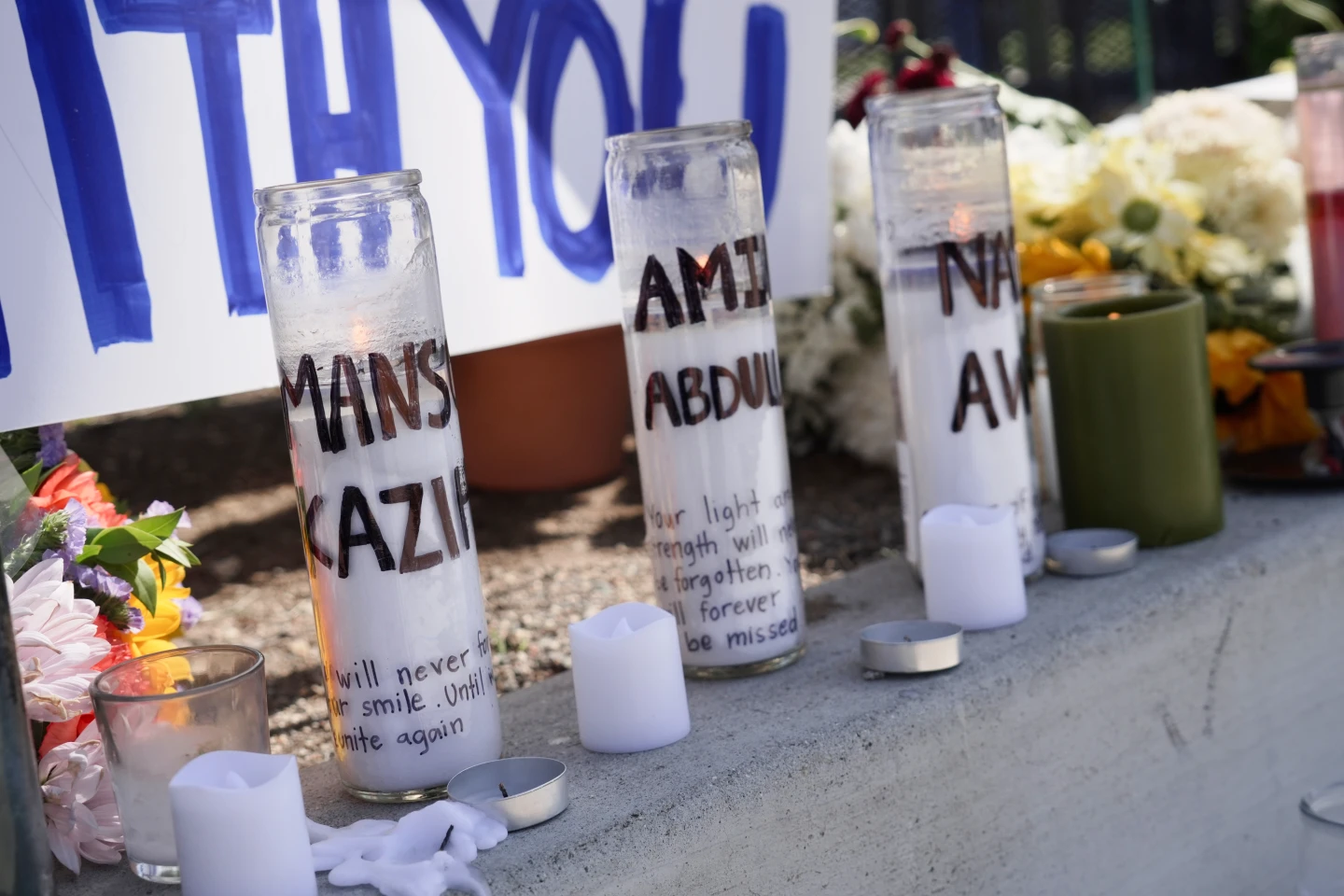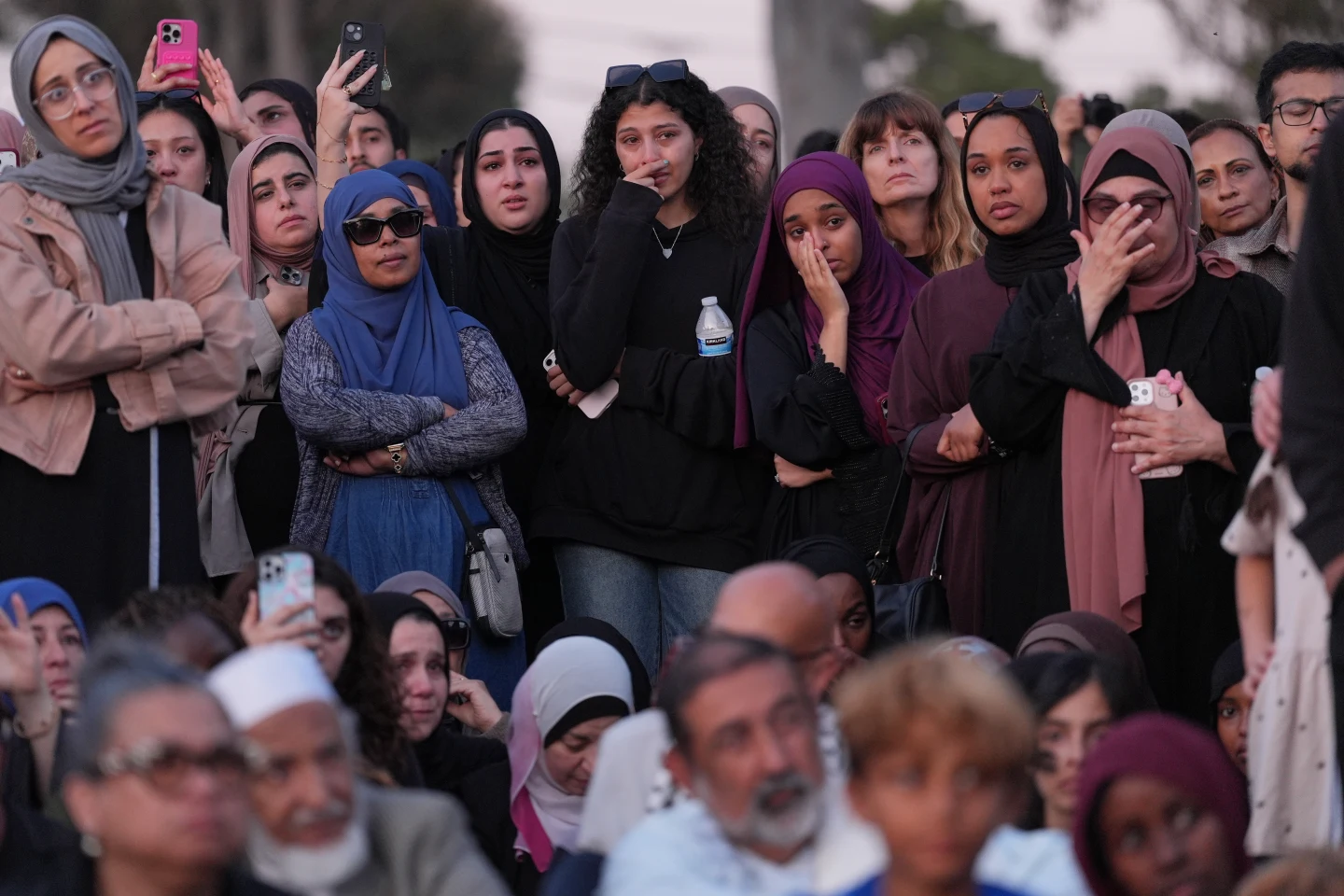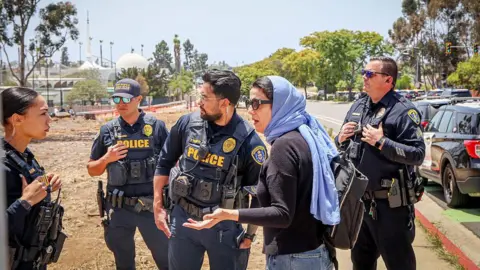
In recent weeks, law enforcement officials have heightened efforts to monitor and counter threats directed at Jewish and Muslim communities across the United States. This escalation follows a troubling uptick in hate crimes, including an attempted terror attack, prompting enhanced security protocols at places of worship nationwide.
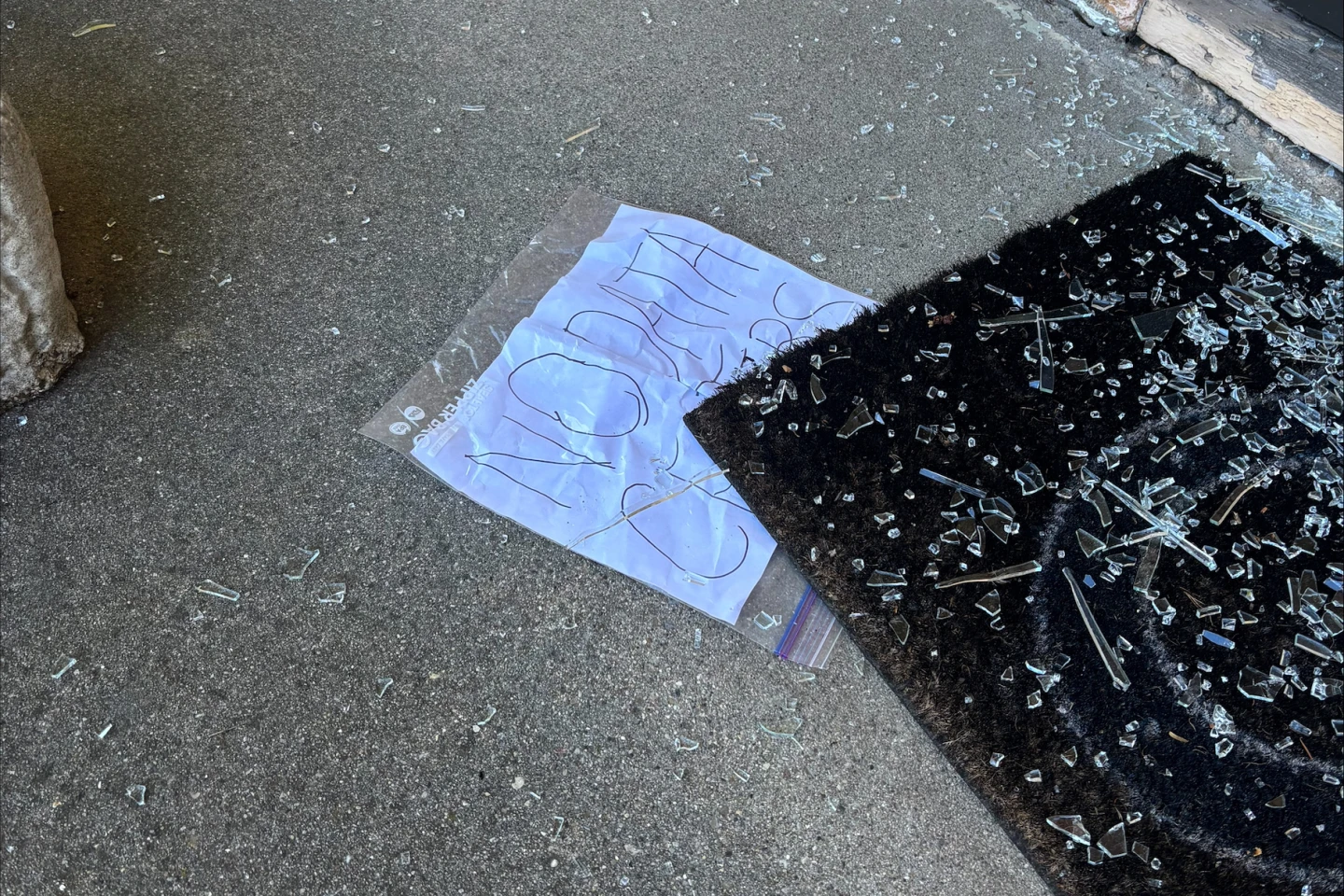
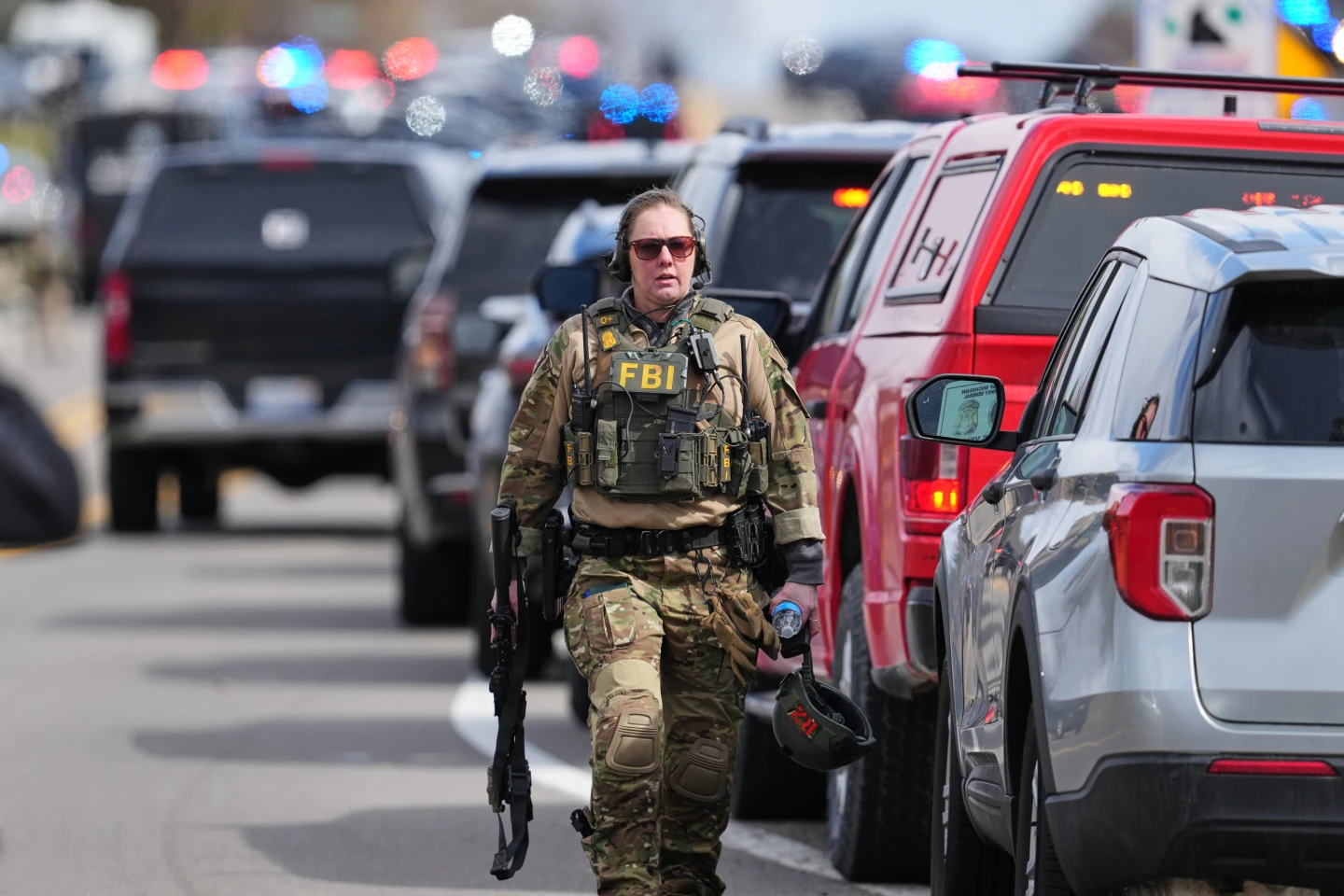
The FBI is currently investigating a significant incident that occurred on March 12 at Temple Israel in West Bloomfield, Michigan, where a car was driven through the doors of the synagogue. Michael Masters, the national director of the Secure Community Network, voiced concerns during a recent security briefing, affirming that threats intended to instill fear should not deter people from their religious observances.
Recent data signals a distressing environment for faith communities, as antisemitic incidents have surged in locations such as southern California and Toronto, with violent acts also being investigated in European cities. As tensions escalate globally, important periods in the Jewish faith, such as Passover, are prompting heightened vigilance.
Gary Torgow, chair of the Jewish Federations of North America, expressed that the attack on Temple Israel reflects a growing expectation of violent incidents within the community. He emphasized the need for more rigorous combat against hatred, particularly fueled by misinformation spread rapidly on social media channels.
In consultations with FBI officials, Jewish leaders conveyed their concerns about escalating antisemitic threats, linking these trends to geopolitical events involving the U.S. and Israel. They reiterated that attacks on places of worship signify broader assaults on the principle of peaceful worship for all Americans.
Heightened attention from federal authorities also includes monitoring potential radicalized individuals who may pose risks during significant public events, including the upcoming 2026 FIFA World Cup. Security briefing participants, including Matthew Kozma from the Department of Homeland Security, affirmed the necessity for vigilant defenses against extremism.
Meanwhile, an increase in anti-Muslim rhetoric from various political leaders harks back to sentiments felt post-9/11, with experts noting a troubling correlation between political discourse, social media, and the growth of extremist ideologies. The Southern Poverty Law Center has reported a significant rise in both antisemitic and Islamophobic rhetoric in the wake of the Middle Eastern conflict, affecting perceptions and safety of minority communities.
As hostility and threats against diverse faiths rise, Jewish leaders are urging immediate action from lawmakers to fortify the safety of their communities while also preparing for planned rallies in Washington to address growing antisemitism.