China's Economic Growth Slows in Q2, Missing Target
Official figures show China’s GDP grew 4.3 per cent in the second quarter of 2026, short of the 4.5 – 5 percent target set by the government. The rise follows a 5 per cent jump in the first quarter and is the lowest quarterly expansion since the end of 2022, when the country was just beginning to lift its stringent Covid‑19 restrictions.
The slowdown is attributed to a combination of factors. Weak domestic demand has been exacerbated by a continuing decline in the property market and subdued consumer spending. Higher energy and raw material costs have further eroded household and business purchasing power, with analysts noting that firms are struggling to absorb the cost increase while demand remains low.
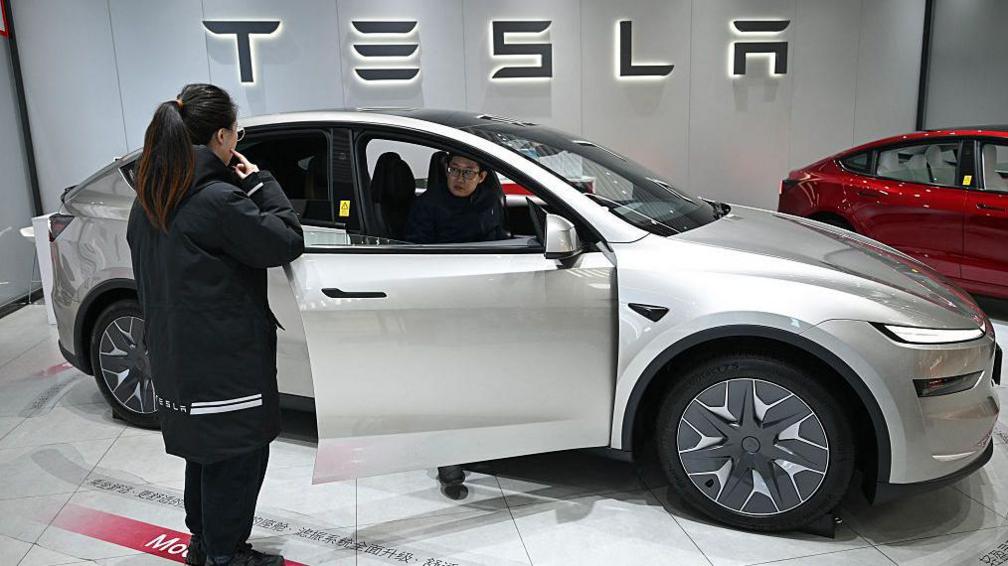
On the export side, China recorded a 27 per cent jump in June compared to the same month a year earlier, buoyed by a surge in global demand for semiconductors that power artificial intelligence data centres, and a record one million car exports driven by strong global demand for electric vehicles.
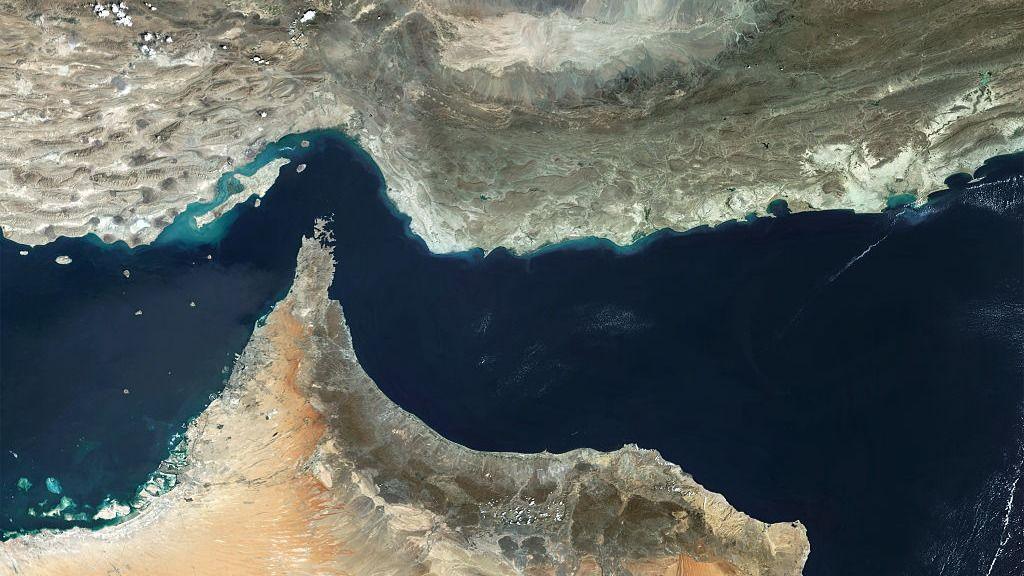
The country’s economic context is complicated by the ongoing Iran war, which began on 28 February and has caused oil prices to rise, adding an external strain on the economy. The National Bureau of Statistics cited a higher level of external instability and uncertainty as a contributing factor to the growth contraction.
Despite the headline figures, some experts argue that the real slowdown may be more a reflection of a revised baseline than a sudden deterioration. As China’s growth target was lowered to its lowest level since 1991—allowing authorities to admit existing weakness—many see the adjusted numbers as a more accurate representation of the economy’s current trajectory. They point out that key indicators such as retail sales, which slipped by 0.6 per cent in May before rising by 1 per cent in June, show signs of recovery.
Looking ahead, continued instability in oil markets could keep pressure on domestic growth, while strong export performance might offset some of the slowdown. Analysts suggest that if the Iran war persists, the difficulty of managing inflation and maintaining consumer confidence will increase, complicating the path to the government’s growth objectives.