China has pledged to defend its economic interests after the United States announced a broader sanctions regime against Iran and its trading partners. The move is framed as a protection of Beijing’s rights amidst what Chinese officials perceive as unilateral, illegal sanctions.
Foreign Ministry spokesperson Lin Jian stated that China would take “all necessary measures” to safeguard its rights, underscoring that its engagement with Iran is conducted within the framework of international law. The announcement came after Treasury Secretary Scott Bessent revealed plans to tighten sanctions on all entities linked to Iran, describing the initiative as “the single greatest financial offensive ever” against the regime.
Bessent warned banks and businesses that would refuse to cut ties with Iran would become part of a collective effort to isolate Tehran, though he avoided naming specific nations. He emphasized that no one was above U.S. sanctions, even those in China, which processes a major share of the world’s rare earth elements critical for high‑tech production.
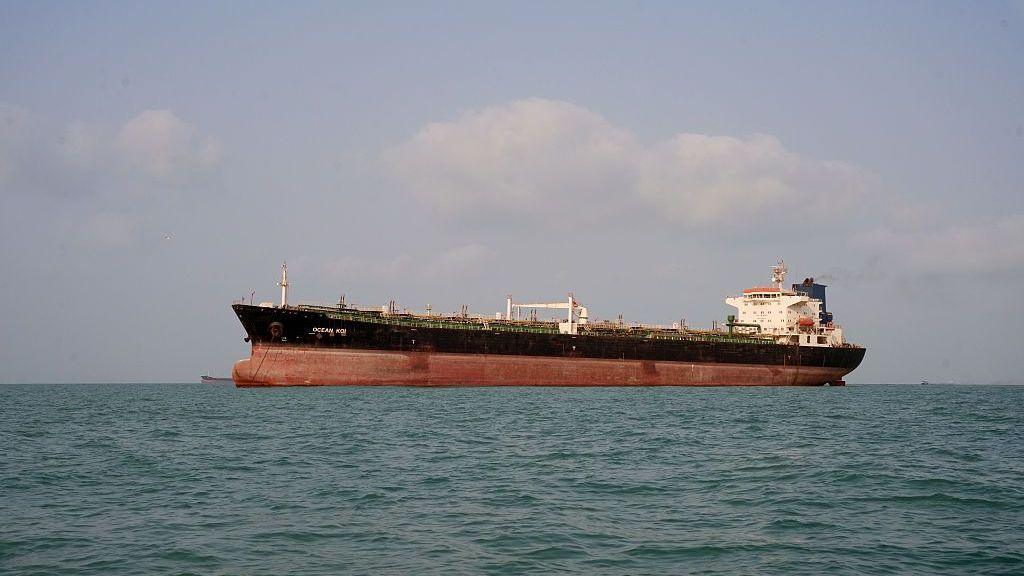
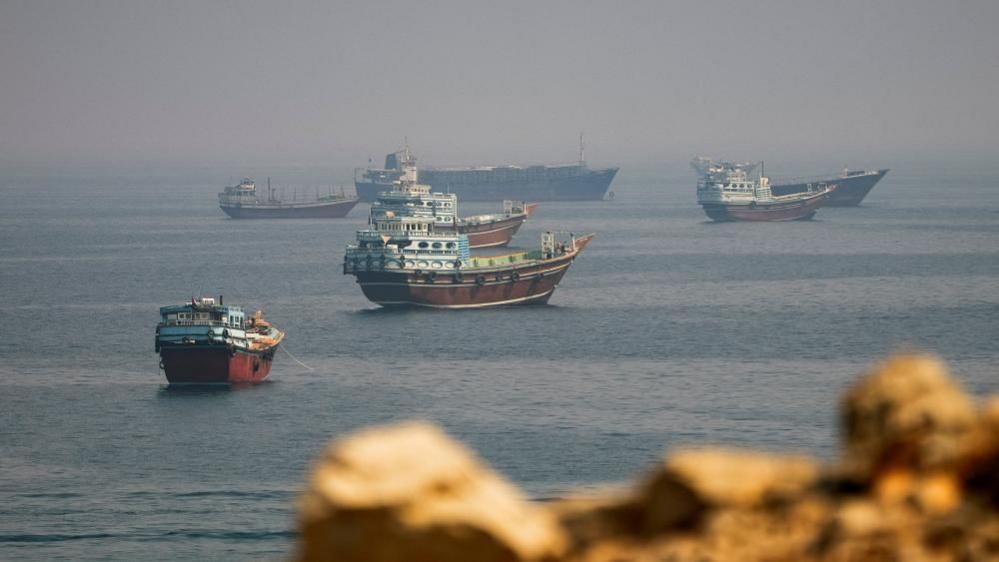
The U.S. move comes ahead of upcoming discussions between President Trump and President Xi Jinping next month, a meeting that could bring heightened scrutiny to China’s trade strategies. Analysts suggest that the sanctions package, dubbed “Operation Economic Outcast,” may only have a limited immediate effect on Iran’s oil revenues, given that approximately 90% of Iran’s crude is sold to China.
Other potential trade partners—such as India and Russia—have yet to respond, leaving the broader impact on global markets uncertain. Iran’s Economy Minister Ali Madanizadeh declared Tehran was fully prepared to face the new sanctions, hinting that the regime would continue to absorb financial pressure and transfer costs to its population.
This development highlights the complex interplay between unilaterally imposed economic measures and the diplomatic calculations of major powers, raising questions about the efficacy of sanctions in a multipolar world.