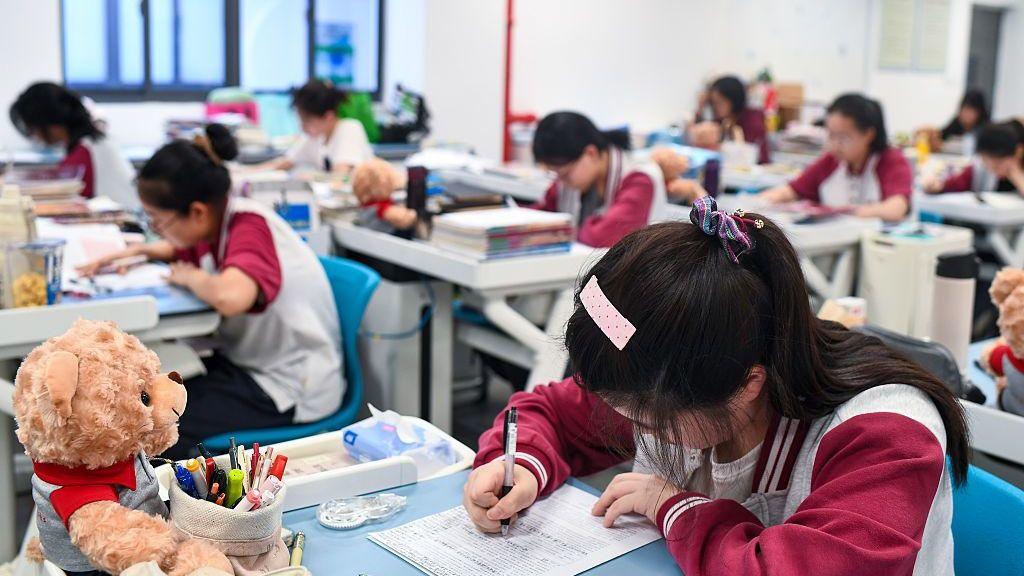
At 14, Xiaomei, a high‑performing student from a coastal province, bought cough tablets online after a boy told her they could help her relax. The tablets, normally prescription‑only, were sold to her via e‑commerce sites with her national ID. She began to feel the slight dizziness as a brief escape from looming exams and soon became hooked on a "pharmaceutical high". After two years of overdoses on various medications, none of them were prescribed to her, she admitted to the BBC that she used the drugs to run away from reality.
Similar accounts surfaced from dozens of teens in Chinese chat rooms, each citing exam or parental pressure as the trigger for drug misuse. Warnings in the forums often provided alternative substances when one became controlled, and buyers searched for obscure keywords to skirt detection. Online sellers advertised the first cough suppressant for as little as 10 yuan (about $1.5) per gram.
The government responded in 2024 by classifying the cough suppressant as a psychotropic drug, tightening prescription rules. In April 2026 authorities tightened controls on another popular pain‑relief drug. Nonetheless, the trade thrives on unregulated online platforms. A 2025 crime‑prevention study noted that teenagers quickly switch to analogues when one is restricted.
Mental‑Health Struggles and Family Dynamics
Xiaomei’s parents, influenced by generational expectations, initially reacted with criticism. After her hospitalization they shifted to listening and gentle support, which she says improved her exam performance and emotional health. Chinese experts underscore the need for open family conversations and wider mental‑health services. The State Council reports that 92% of primary schools and 95% of junior schools feature a counsellor, yet child psychiatrists remain scarce—only about 500 are licensed nationwide.
Economic uncertainty following the pandemic has left many families struggling, heightening anxiety for students and parents alike. To address the crisis, China plans a nationwide psychological‑support system by 2030, including crisis‑intervention centres, psychiatric units in every county, and increased mental‑health workforce. While policy moves create hope, the sheer scale of drug misuse among minors and rising self‑harm risk demand a deeper cultural shift.
Voices from the Frontline
A 22‑year‑old activist, Lu Jingchan, who has struggled with depression and overdosed four times, now speaks against prescription‑drug abuse. He urges teens to confront life without narcotics and believes that open support can change outcomes.
In contrast, not every teenager finds such support. The narrative surrounding drug misuse, mental‑health supports, and societal expectations continues to evolve amidst a rapidly changing China.