China has dialled back on planned fuel price hikes in a bid to reduce the burden on drivers, as energy costs surge amid the Iran war.
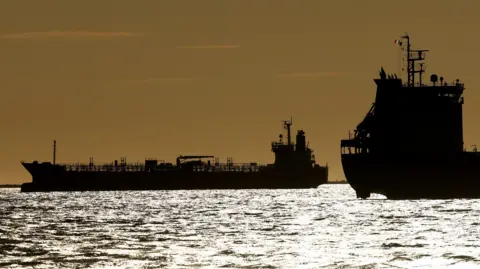
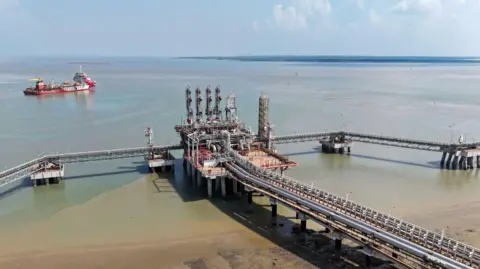
The local price of petrol has jumped by about 20% since the start of the conflict, which has seen Iran effectively close one of the world's busiest oil shipping channels, the Strait of Hormuz.
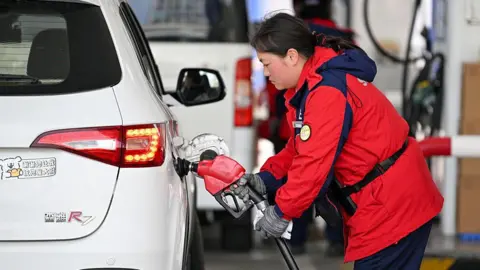
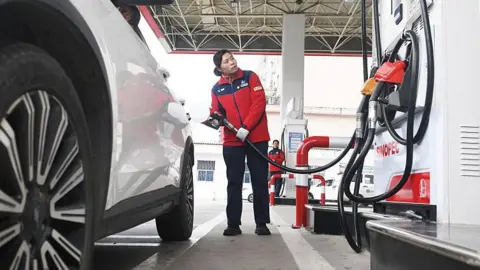
Gasoline and diesel prices were initially set to rise by 2,205 yuan (£239; $320) and 2,120 yuan per tonne respectively – but after government adjustments, the increases will be nearly halved to 1,160 yuan and 1,115 yuan, starting Tuesday.
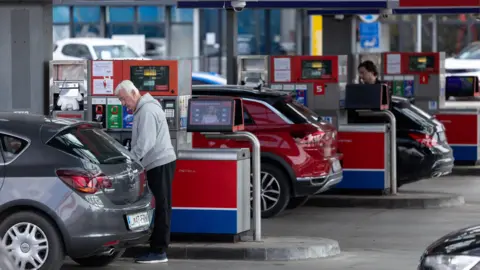
More than 300 million people in China drive cars that run on petrol or diesel, with Gulf countries a major source of the country's oil. Long queues of cars had formed outside petrol stations in multiple Chinese cities over the weekend, with some stations having to post notices that they had run out of fuel.
The latest price hike was the country's fifth and largest of the year so far - even with the reduction. On Tuesday, the price of Brent crude oil jumped above $100 a barrel - a day after prices plunged, as conflicting accounts of potential talks between US and Iran emerged.
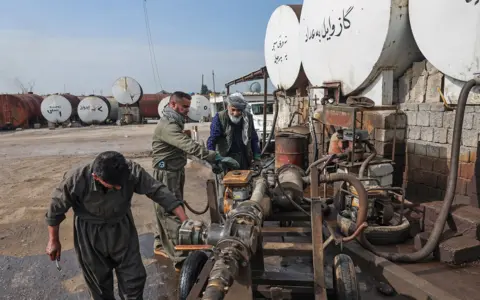
Beijing has over the years taken advantage of lower crude prices and the abundance of supply from Gulf states to build one of the world's biggest oil reserves. In January and February of this year, Beijing bought 16% more crude compared to the same time period a year earlier, according to its customs administration.
Despite its reserves, Beijing has shown signs of caution to manage its supplies in the short-term, reportedly ordering its oil refineries to temporarily cease fuel exports to keep domestic prices under control.
The pressure is not only felt domestically as other Asian countries have implemented various measures to mitigate rising oil prices. For instance, the Philippines has announced a strike demanding government action against fuel price hikes, and similar measures are observed in Japan and South Korea where fuel prices reach record highs.