In brief
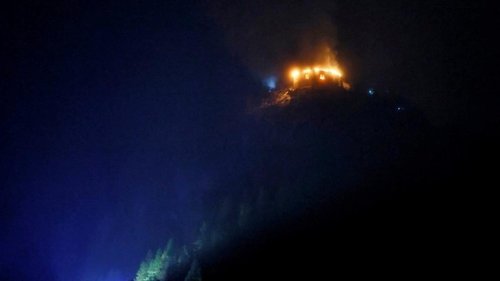
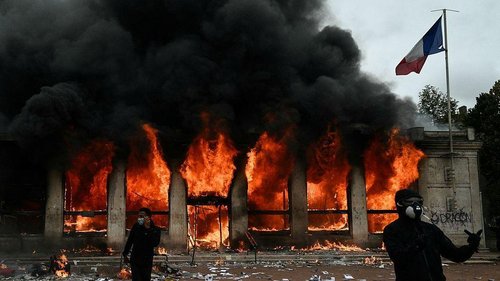
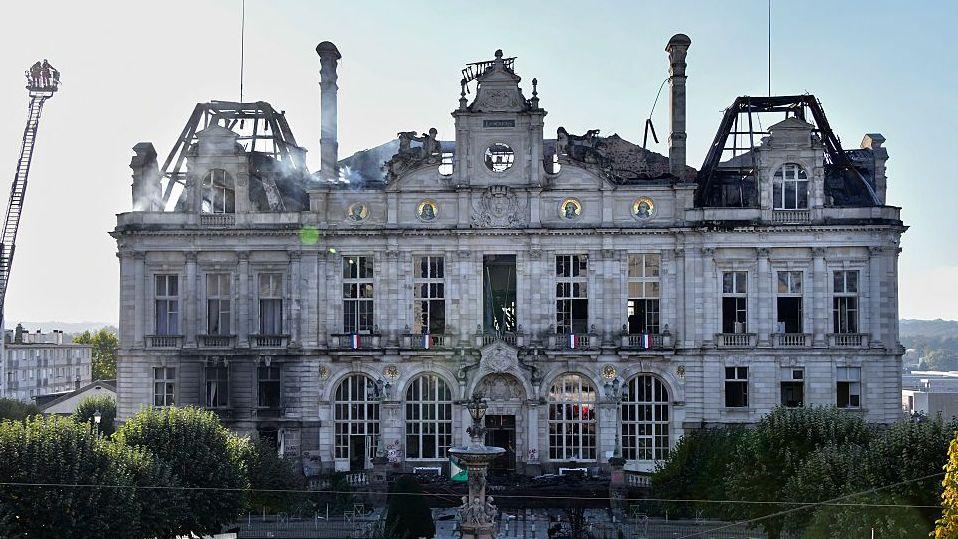
The historic town hall of Limoges erupted into flames on 18 October, a dramatic symptom of a country gripped by protests over cost of living and political fallout. Mayor Guillaume Guérin’s tear‑filled declaration that the fire was the work of radical left rioters has stoked divisions, with some residents seeing the blaze as legitimate protest and others condemning the violence. The event has highlighted the nation’s polarised politics, placed a cultural icon under scrutiny, and raised questions about the future of civil demonstrations in France.
The blaze that scarred the Belem‑style façade of Limoges’ town hall on 18 October has become a stark image of the country’s swirling unrest. The partially burnt building, with its copper‑clad clock tower collapsed into a plume of flames, sits amid a city that has long been a centre of French trade, porcelain and labour history.
Money‑wise exhaustion and a widening fiscal deficit have depleted the public’s tolerance, while demands for higher wages and better housing have pushed people to streets and alleys. In one of the most symbolic scenes, the town council’s scarred façade stood beside a row of grieving flowers and the tear‑streaked face of Mayor Guillaume Guérin, who said he could scarcely imagine the devastation of the day.
Guérin’s reaction was swift. He blamed the fire on “radical left” rioters, citing two arrests—a 66‑year‑old and a 34‑year‑old—with links to radical‑left networks. He also quipped that the United States had been supportive, while the outgoing president Emmanuel Macron was nowhere to be found.
The incident has divided citizens. One student, Alexander, 24, says “what matters isn’t the building, it’s the people suffering.” 19‑year‑old medical student Jade shares that the flame was a sad moment, but not the most critical one, adding that living on a meagre €300 a month is obscene. Municipal workers, meanwhile, recall their own generational ties—a fish monger who was married in the town hall, and a restaurateur who counts the bricks as memory of a nation that changed hands over centuries.
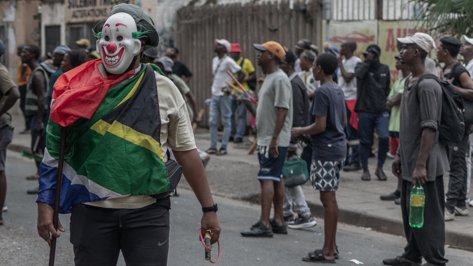
The fire’s timing was a blow to national morale. High‑profile protests began as a critique of school conditions and have spiralled into discontent over free‑market pressure and job insecurity. The government’s response was hurried – day‑long curfews in major cities, a cap of ten people in city centres, and a ban on mass demonstrations. The prime minister, Sébastien Lecornu, visited Limoges on Friday evening to show solidarity, but no demand for trusteeship was upheld.
The incident has sharpened the debate over the future of protest in a democracy that has long equated street action with political voice. Citizens argue that the speed of public disagreement should not turn to violence, yet many point to the empty market stalls and the fact that the town hall itself was gutted by those who once used it as a symbol of the republic.
With France on the brink of another election, the flame in Limoges is extra weight to the arguments of all parties. If the wound to French civic symbols remains, a new dialogue will be required to win back a sense of community cohesion and democratic purpose.
Additional reporting by Paul Pradier.