In brief
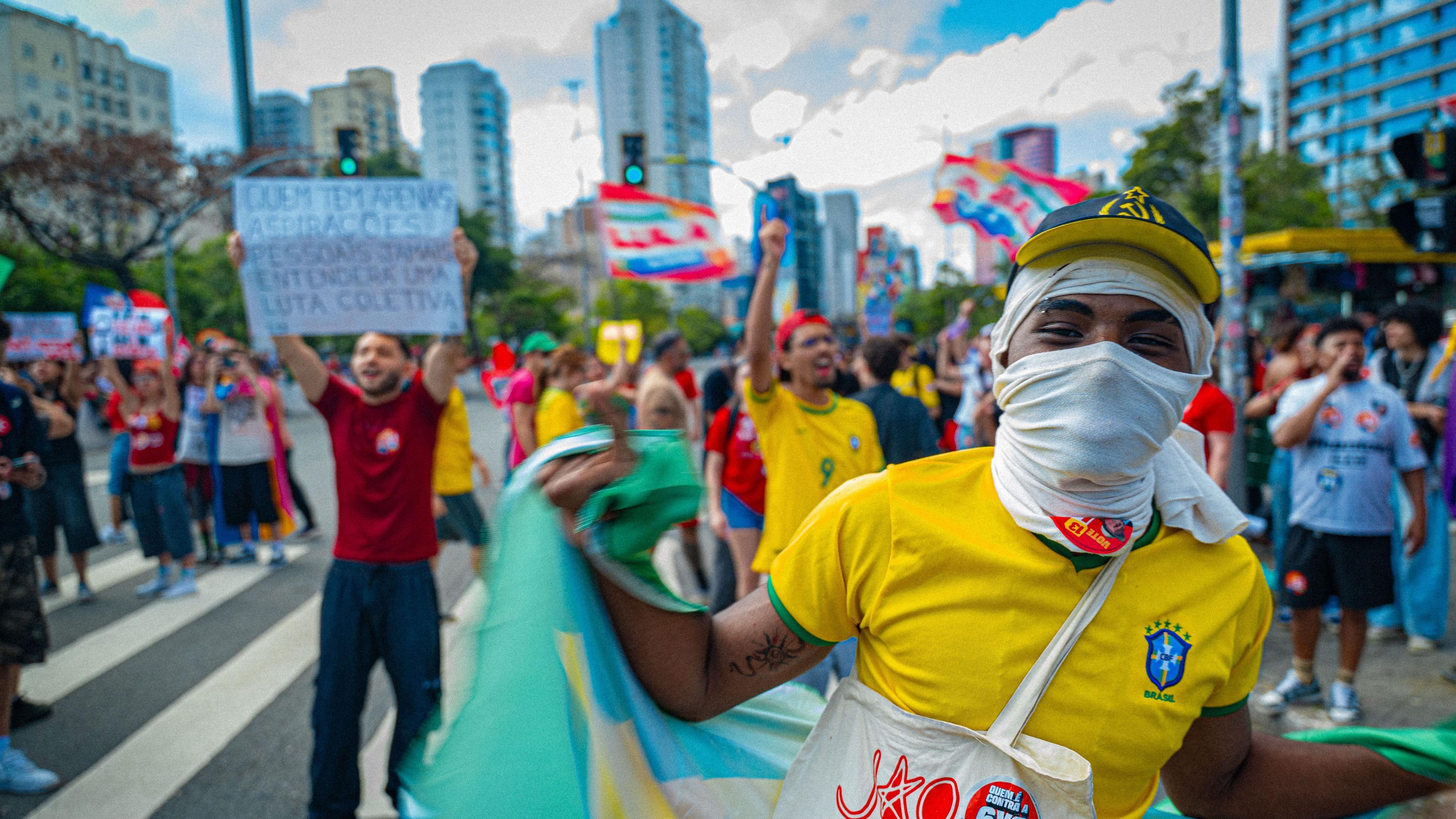
In the once‑industrial city of Osasco, factories have been replaced by shopping malls and tech startups, turning a traditional working‑class electorate into a new gig economy. Union leaders like Gilberto Almazan lament the loss of collective power, while new freelancers—Uber drivers, food couriers and street vendors—threaten to turn away Lula’s former base. Thousands of these workers, alongside evangelical church supporters, have swung a crucial swing state to Flávio Bolsonaro in the first round, forcing a run‑off election. Lula’s campaign now relies on massive street rallies and a social‑media blitz to convince voters that he still offers a better future. The result will decide Brazil’s political direction in a country where crime, inflation and infrastructure stress march hand‑in‑hand with a rapidly changing workforce.
In the sprawling former industrial city of Osasco, shuttered factories have given way to a shopping mall and delivery‑app tech companies, marking what locals call São Paulo’s “Silicon Valley.”
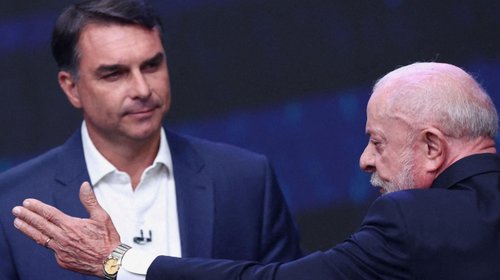
Osasco voted for President Luiz Inácio Lula da Silva in 2022 but this month swung to the right‑wing Flávio Bolsonaro in the first round of Brazil’s presidential election. Bolsonaro won that vote – and a run‑off is now scheduled for Sunday – a result that could end a 30‑year streak of first‑round winners becoming president.
Gilberto Almazan, leader of a local metalworkers’ union, cries as he recounts Lula’s journey from a hungry boy in the northeast to three‑time president. He admits the union movement that once mobilised Lula’s support is now “in the Middle Ages,” struggling to keep up with the new profile of the working class.
“We had strong deindustrialisation here,” Almazan says. “The profile of the working class changed. They are no longer predominantly industrial workers, they are service workers.”
“Metal, chemical, textile factories disappeared. And five malls were built.”
Many Bolsonaro supporters in Osasco say they can’t name specific policies they like but are desperate for change. Frustrated by economic woes, crime and alleged corruption, they see Bolsonaro as the only hope for a new Brazil.
Meanwhile, the city’s gig economy is growing fast. Tairine, who sells hot dogs from a portable stand, says high taxes make it “so difficult for a poor person” to survive inflation. She plans to vote for Bolsonaro this year.
Flávio Bolsonaro has promised to cut government spending, streamline ministries and reduce some taxes, while pledging to keep popular welfare programmes.
The biggest shift, however, is seen in the rise of evangelical churches. About a quarter of Brazilians now attend churches like the Assembleia de Deus Vitória em Cristo, which offer more than prayer: they help with childcare, job advice and even meals. Pastor Silas Malafaia, who is investigated for obstructing the coup trial of former President Jair Bolsonaro, aligns with Flávio’s values on family, gender ideology and abortion, and drives some voters toward the right.
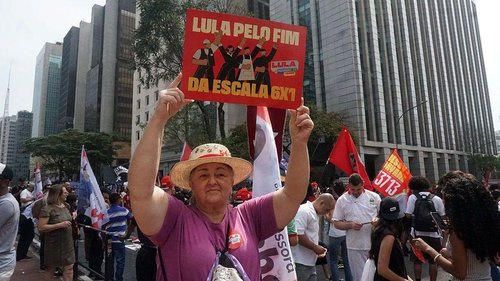
For Lula, the challenge now is convincing a new working‑class electorate that he can deliver a fresh Brazil. While he still enjoys emotion‑laden support from traditional workers, the country’s shift toward gig work and service jobs could keep his future uncertain.
The run‑off is a test of Brazil’s identity: will it stay rooted in the union‑led, social‑welfare approach of Lula, or pivot toward a new gig‑economy, evangelical‑led model championed by Flávio Bolsonaro?