In brief
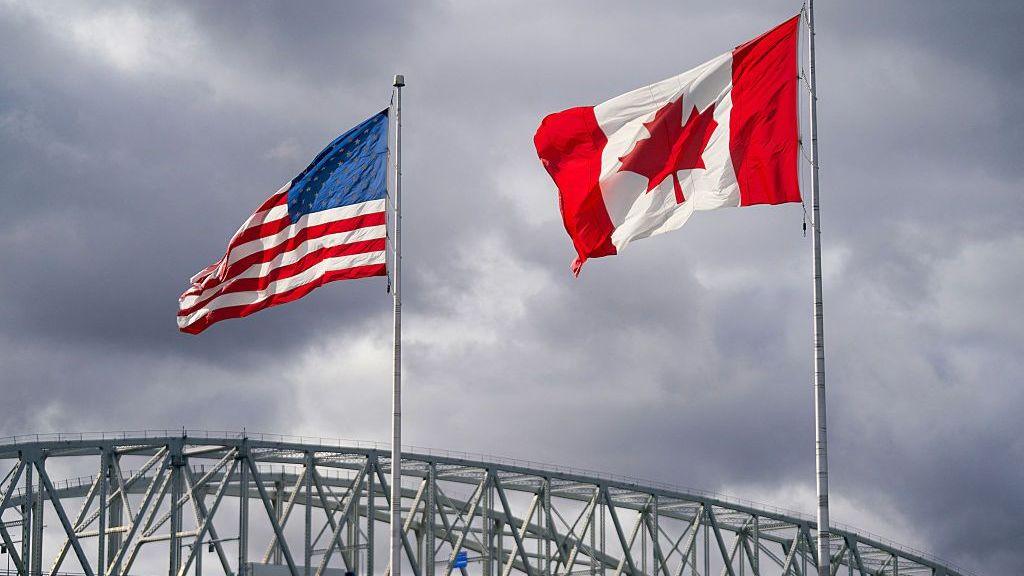
In a move that may influence the political climate before the midterm elections, the Trump administration announced the removal of a 50% tariff on a selection of Canadian imports. From 30 October the exemptions cover plywood sheets, some paper products, certain machinery and refrigeration equipment, while new duties are imposed on items such as carpets and waste products. The decision follows lobbying by Republican Senator Susan Collins, whose seat in Maine is at stake and whose campaign highlighted the importance of relaxed tariffs for the state’s blueberry, potato, apple and seaweed producers. Canadian officials welcomed the shift but underscored that their own counter‑tariffs remain in place, signalling a cautious path toward a broader trade agreement.
The Trump administration announced that a 50\% duty on Canadian imports will be quietly removed for a range of products. The change takes effect on 30 October and comes as the 2026 midterm elections approach.
The exemptions cover plywood sheets, some paper items, a handful of pieces of machinery and refrigeration equipment. Meanwhile, the U.S. will lift duties on packing crates and boxes, but introduce new tariffs on carpets and waste products. The Biden‑era administration is framing the move as a defence of American jobs and a step toward fair trade.
Sen. Susan Collins, a Republican whose seat in Maine is tightly contested, has been vocal about the need for relief for agricultural producers in her state. She said the new tariffs will help blueberry, potato, apple, and seaweed growers who rely on lower costs from Canadian suppliers. The legislation follows her public lobbying of senior Trump officials, and she remains engaged with the White House on continuing trade negotiations.
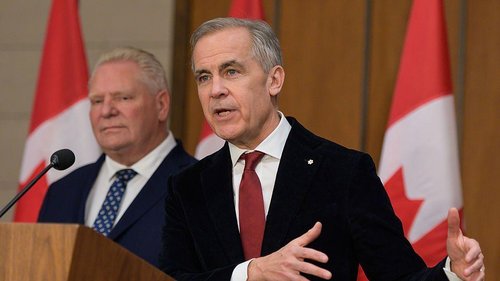
Canada has imposed matching duties on the same goods, and their prime minister flagged the tariffs as a necessary defence for Canadian workers. The two sides have held several meetings in recent weeks, with Canadian officials expressing willingness to pursue a commercial agreement once the U.S. lifts the existing barriers.
The policy has significant implications for border states such as Maine, New Brunswick and Quebec. Local politicians and lawmakers in Michigan have called on President Trump to resolve the trade impasse as trade‑dependent sectors watch for further changes.
With the midterm elections set for November, the timing of the tariff reversal could impact how voters perceive the administration’s handling of trade policy. The decision follows an earlier announcement that the next U.S. trade negotiating team will focus on deepening ties with Canada while maintaining pressure on China and other rivals.