In brief
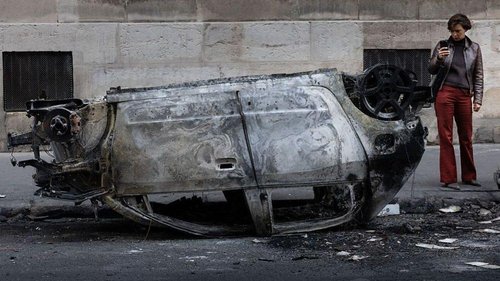
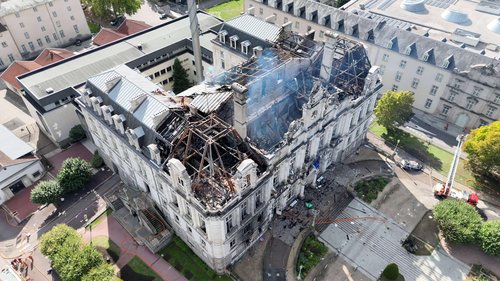
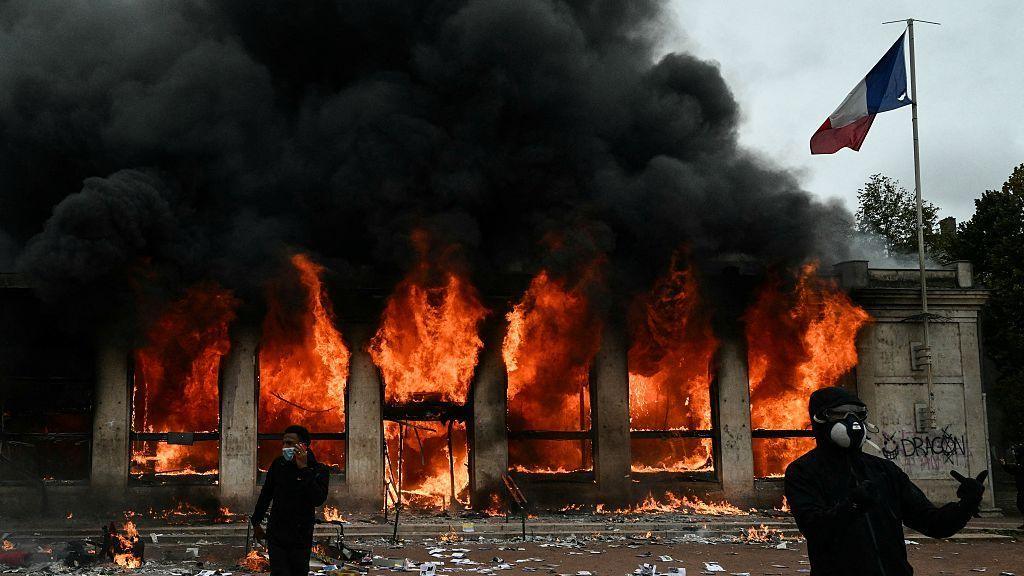
Following weeks of student protests, French towns were rocked by riots last Saturday that left 550,000 demonstrators, businesses and historic sites damaged. In response, President Emmanuel Macron has declared that only authorised labour‑union rallies may take place on Sunday, while all other protests will be prohibited. Police are to increase their presence by 20% and city prefects will propose alternative routes for unions. A total of 2,700 individuals were arrested, with 217 already convicted in fast‑track trials, and several municipalities have imposed blanket bans on demonstrations.
After a Saturday of fighting and looting in cities as far as Lyon, Paris and Nice, President Emmanuel Macron has announced that only authorised labour‑union demonstrations will be permitted in French towns on Sunday, with all other rallies banned.
The violent outbreaks followed a peaceful march that began amid concerns over rising fuel prices and the cost of living. The demonstrations, which drew an estimated 550,000 people on 17 October, had to be re‑law‑enforced after vandalism spread across historic districts.
Interior Minister Jean‑Didier Berger will increase police deployments by 20% compared to last weekend, citing the need to prevent a repeat of the disorder. A total of 2,700 arrests were reported, with 217 already convicted in expedited trials.
Prefects in the largest cities—including Lyon, Nice, Toulon and Grenoble—have issued blanket bans on demonstrations for Sunday. Where unions have organised marches, prefects will propose alternative routes for permitted gatherings.
Macron denounced the unrest as “political and even seditious acts organised by far‑left groups” and called for a return to calm. He also highlighted the role of the Gilets Jaunes movement in many of the incidents and criticised the cancellation of several of their planned marches.
As France approaches its final months of President Macron’s term, with national elections scheduled for April and May next year, the turmoil casts a shadow over the country’s political climate and raises questions about public safety and civil disobedience.