In brief
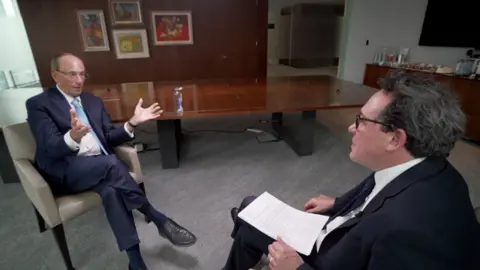
Larry Fink, CEO of the world's largest asset manager BlackRock, cautions that if oil prices surge to $150 a barrel, it would likely trigger a global recession. He ties this potential crisis to geopolitical threats, especially from Iran, and emphasizes the importance of diversifying energy sources. Fink also touches on the potential job creation in technical fields due to AI advancements amidst concerns over economic inequality.
In a recent interview, Larry Fink, the CEO of BlackRock, stated that a spike in oil prices to $150 a barrel could lead the world into a recession. He underscored the potential global economic implications should high oil prices persist due to geopolitical instability, particularly concerning Iran. Fink's concerns highlight the vital link between energy costs and economic health, suggesting that prolonged high prices will strip consumers' purchasing power, affecting economies worldwide.Fink, whose firm manages assets worth $14 trillion, emphasized the need for a balanced approach to energy production. He posited that while it is critical for nations to harness all available resources, transitioning towards alternative energy sources should be prioritized to mitigate over-reliance on fossil fuels.The ongoing conflict in the Middle East has injected volatility into financial markets, with traders scrambling to gauge its impact on global energy costs. Fink presents two possible outcomes: a resolution that could allow Iran to reintegrate as an acceptable player on the world stage, potentially reducing oil prices, or a scenario where the conflict worsens, leading to sustained high prices and a severe recession.The discourse also extended to the tech industry, as Fink dismissed notions of an AI bubble despite significant investments in the sector. He believes AI could generate a considerable number of jobs, especially in skilled trades, while cautioning that some traditional office roles may diminish as the landscape evolves.Fink's insights reflect the intertwined nature of energy policy, economic stability, and technological advancement, showcasing the challenges and opportunities that lie ahead for economies and societies globally.