AI‑Generated Farewells: Families Seek Virtual Comfort Amid Ukraine War
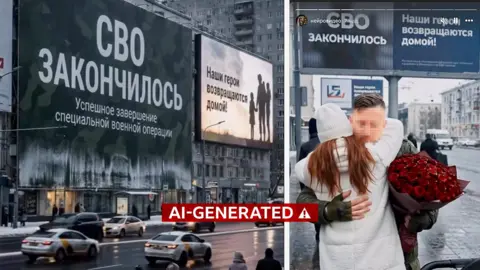
As the death toll of Russian soldiers in Ukraine climbs, many families are turning to generative AI to conjure the presence of lost loved ones. In a 15‑second clip that circulated on Instagram, a man in wartime uniform is seen embracing a woman in a field of snowy Moscow billboards, while a sky vaultled with angels rises behind him.
The video was produced by Katya Jin, a popular blogger who had built a following on TikTok and Instagram. Her content was advertised as a way for grieving families to “embrace” their husbands, fathers or children once more. Though her own husband was missing in action, the clip implied a fictional reunion.
AI‑generated “deceased” videos have become common on Russian‑language platforms, especially when creators lack direct access to international models. Platforms can charge between 200 roubles (£2) and 10 000 roubles (£100) for a personalized clip, and some creators report monthly earnings that double the country’s average wage.
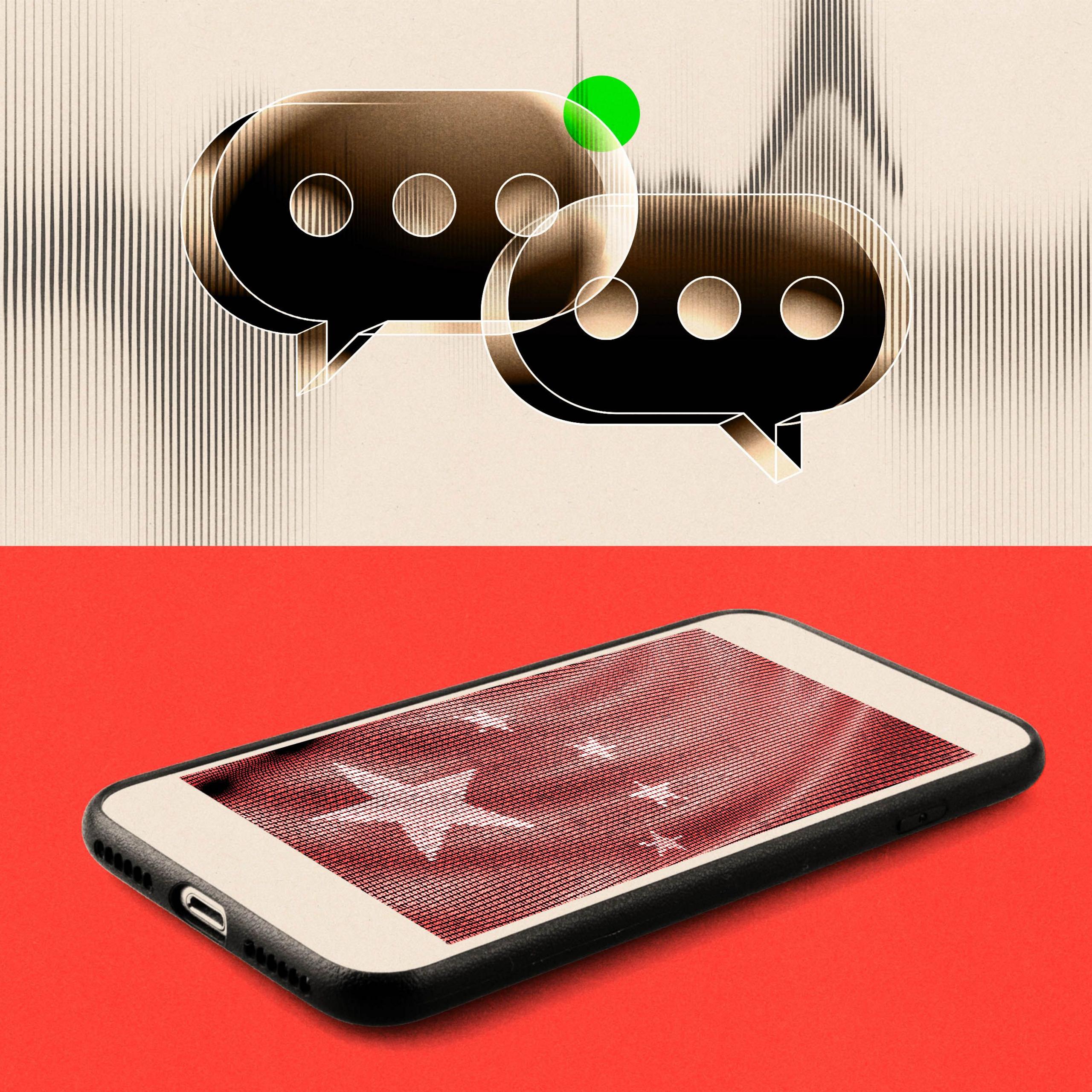
The technology relies on text prompts and facial data supplied by the user. Commands can set the soldier’s stance, environment or even add narrations such as heartfelt letters in‑hand. Most portrayals, however, feature the soldier as a hero or an angelic figure, keeping scenes devoid of Ukraine’s destruction.
Reaction is mixed. Some viewers report tears, while others condemn the practice as deep‑fake exploitation that “causes pain.” Former Ulyana Lebed, who earns 150‑200 000 roubles a month, said the production was “like cashing in on grief.”
Psychologists and ethicists note that the long‑term effects on bereaved families remain uncertain. Katarzyna Nowaczyk‑Basińska of the University of Cambridge warns that the act of “creating deadbots” is morally ambiguous and could deepen trauma. Conversely, one aunt insisted her AI photo of a deceased husband “helped her accept that she would never hug him again,” calling it “an illusion” rather than medicine.
The trend is part of a broader “digital afterlife” industry. Posthumous avatars are emerging in museums, courts and even political campaigns. In wartime, the intersect of loss, memory and technology urges a careful examination of how such tools influence public sentiment and personal mourning.
A Questionable Comfort
While a few families swear by the emotional lift, most say the AI images did little to soothe grief, and some call the practice “deeply problematic.” The phenomenon underscores the rapid entanglement of AI with trauma and national identity, and it calls for heightened ethical scrutiny.