As America gears up to celebrate its 250th anniversary, awareness is growing regarding the contributions of Black and Indigenous patriots during the Revolutionary War. Among them is Prince Estabrook, who fought valiantly on April 19, 1775, in Lexington, where he was wounded but continued to serve throughout the war.
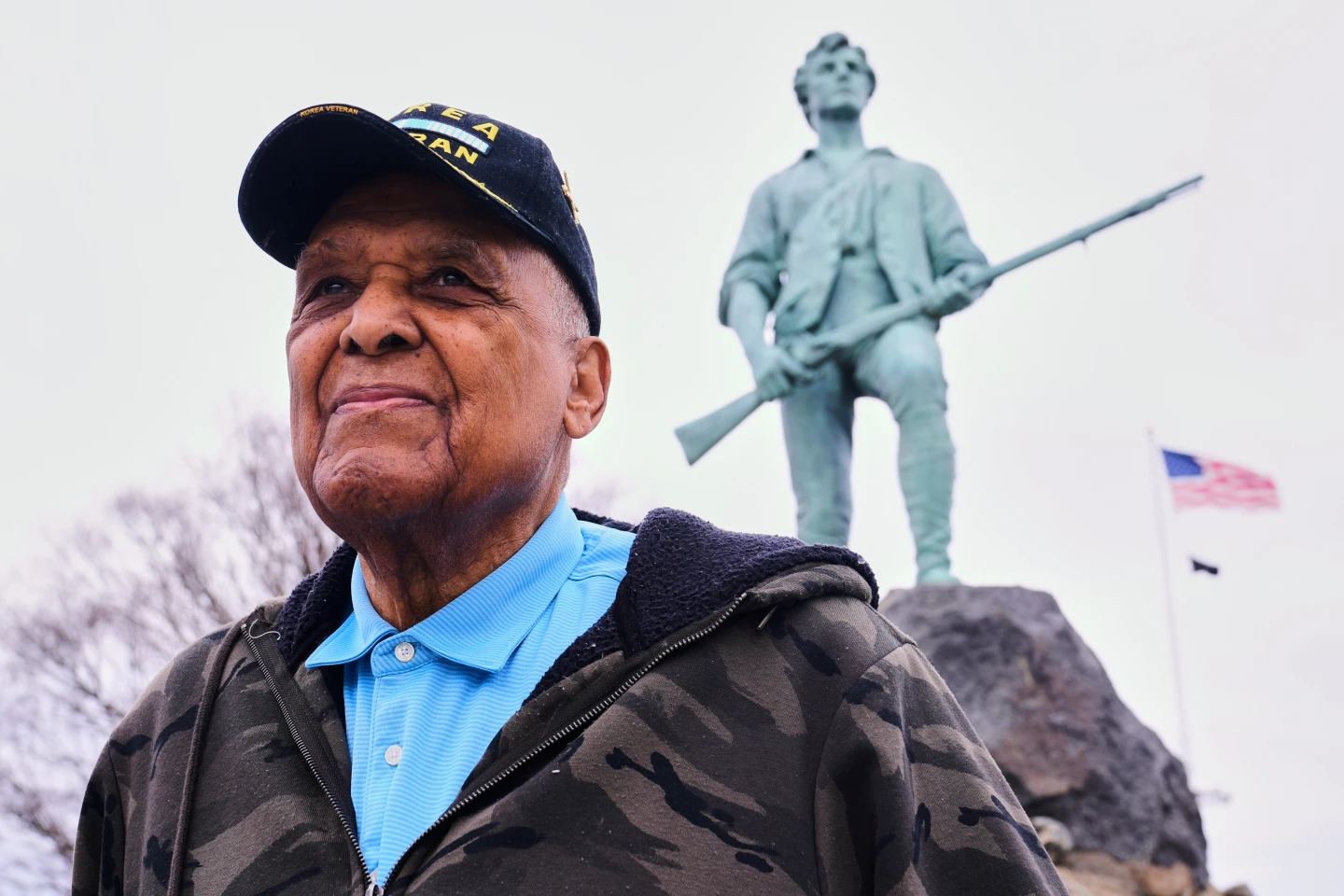
Charlie Price, a 95-year-old reenactor who has portrayed Estabrook for decades, reflects on the surprise that few in education highlight such figures. There were Black men in the ranks who were fighting in Concord and Lexington, Price said. The fact that we didn’t know that is more of a sign of our lack of curiosity and the need for greater research.
The National Park Service estimates that by the end of the Revolution, over 5,500 individuals of color fought on the colonial side. Upon the war's conclusion, many returned to lives of servitude or continued their fight for freedom and recognition. Historians stress that recognizing these contributions is crucial in understanding the complex narrative of American history, as well as its implications for present-day societal views.
In response to the lack of visibility for these stories, museums and organizations across the nation are developing programs, exhibits, and lectures to celebrate the contributions of these patriots. The Patriots of Color exhibit at American Ancestors, opening soon in Boston, highlights individuals like Crispus Attucks, a sailor killed during the Boston Massacre, and Salem Poor, who gained freedom to fight at Bunker Hill.
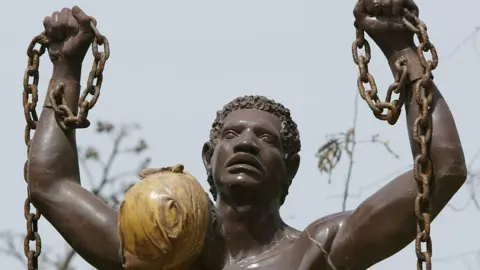
Estabrook’s life remains emblematic of this broader narrative—the struggles and achievements of enslaved soldiers during one of America's pivotal moments. As the country reflects on its history, it is important to ensure that the contributions of these individuals are not only remembered but honored in the retelling of America's story.