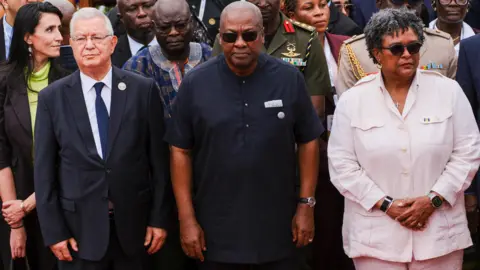
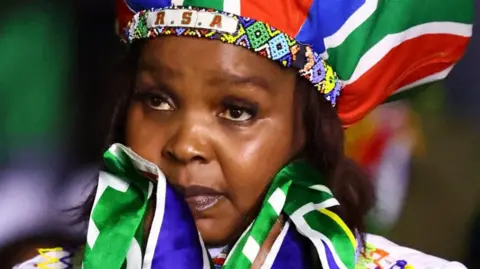
The United Nations General Assembly this week overwhelmingly backed a resolution declaring the transatlantic slave trade 'the gravest crime against humanity'. Welcoming the vote, UN Secretary-General Antonio Guterres stated that the wealth of many Western nations was 'built on stolen lives and stolen labour'. He highlighted the 'barbaric punishments that maintained control', referring to shackles, flogging, and sexual violence, emphasizing that it was a machinery of mass exploitation and systematic dehumanization of men, women, and children. The resolution, although not legally binding, was adopted by 123 votes to three, with 52 countries abstaining, including the UK and EU nations. Dr. Erieka Bennett from the Ghana-based Diaspora African Forum conveyed the personal significance of the vote for descendants of the enslaved, while discussions around reparations and compensation for slavery increasingly gain momentum. As nations confront their historical roles in the slave trade, the resolution is seen as a crucial step in addressing the enduring legacy of slavery and inequity.
UN Declares Slave Trade 'Gravest Crime Against Humanity'
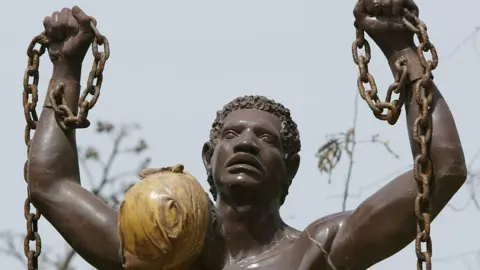
UN Declares Slave Trade 'Gravest Crime Against Humanity'
The United Nations has passed a landmark resolution addressing the transatlantic slave trade, emphasizing its severe impact on humanity and acknowledging the need for reparations.
In a historic move, the United Nations General Assembly has overwhelmingly backed a resolution declaring the transatlantic slave trade as 'the gravest crime against humanity.' This resolution, inspired by African and Caribbean nations, sends a powerful message about the need for acknowledgment and reparations for the victims and descendants of the slavery. UN Secretary-General Antonio Guterres characterized the slave trade as not just forced labor, but a systematic process of exploitation and dehumanization.