In brief
The city of Bombay, now Mumbai, has undergone a remarkable transformation from a collection of islands to a sprawling metropolis. This evolution has been captured in the 'Bombay Framed' exhibition, featuring over 100 images spanning three centuries. The exhibition highlights the city's changing landscape, cultural shifts, and the various communities that have contributed to its dynamic identity. Notable historical moments include land reclamation efforts, the construction of iconic structures like Marine Drive, and the rise of new infrastructural developments in the 21st century. As the city embraces its modernity, the past remains intricately woven into its present.
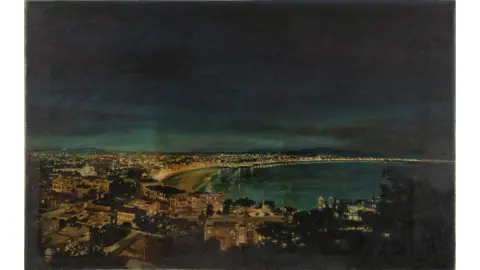
From seven islands to a city of 20 million, Bombay (now Mumbai) has been shaped over centuries by political, economic, and social forces. From Koli fisherfolk to colonial planners, and from Bollywood stars to textile barons, many have shaped the western Indian city's landscape and identity. The city is ever-evolving, the past giving way to the future, birthing new guises and blurring the old. From fishing nets to ports and mills to malls, Bombay has constantly reinvented itself and remained a city in flux.A new exhibition 'Bombay Framed' charts the city's shape-shifting passage through the centuries using a stunning array of paintings, photographs, and multimedia prints. More than 100 images spanning three centuries have an extraordinary range that document the city in its full diversity from the elite worlds of Zoroastrian merchants and cinema stars to the working-class lives of ordinary citizens. Curator Gyan Prakash noted, 'Together they invite us to see the city itself as a kind of artwork: layered, complex, and made up of many different experiences.'Key moments of transformation include the 1830s and 40s when reclamation projects joined the seven islets into a single city, the demolition of fort walls in the 1860s which allowed for distinct colonial architecture, and the construction of the Marine Drive in the 1920s and 30s that introduced modern architectural styles.The exhibition also emphasizes that a city's soul is animated not just by its buildings, but by its inhabitants—showing the everyday lives of its diverse population, from Parsi philanthropists to migrant workers. With its dual name identity and stark contrasts—luxury towers next to shantytowns—it reflects a complex narrative of resilience and adaptation. Today, as the city continues to develop with modern infrastructural projects, its rich history remains ingrained in its vibrant culture.