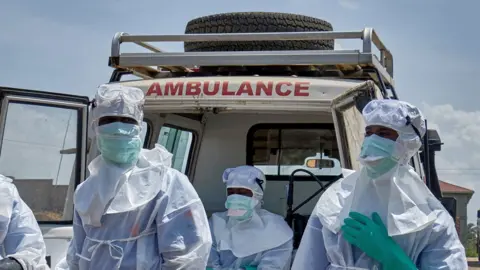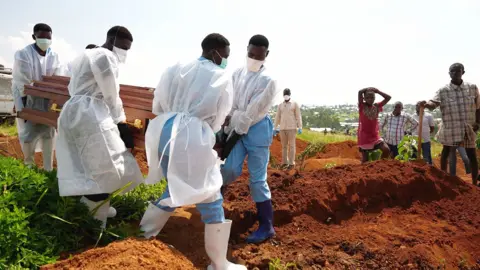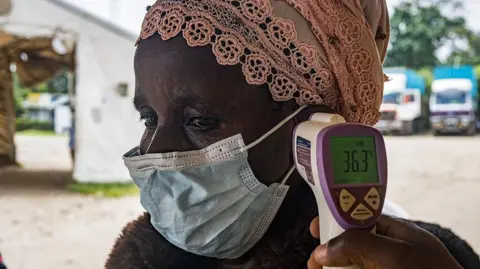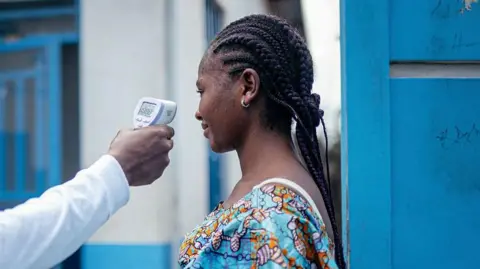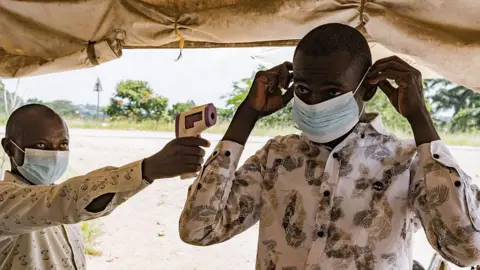
The World Health Organization (WHO) has reported a troubling escalation in the Ebola outbreak in the Democratic Republic of Congo (DRC), with 600 suspected cases and 139 suspected deaths recorded. The WHO predicts that these numbers will continue to rise, stressing issues related to the timely detection of the virus. Confirmed cases of Ebola have reached 51 in the DRC and 2 in neighboring Uganda, according to WHO chief Dr. Tedros Adhanom Ghebreyesus.
The outbreak is attributed to the Bundibugyo strain of Ebola, which has not been seen for over a decade. This strain poses unique challenges due to the lack of an approved vaccine, although experimental vaccines are under development. Compounding the situation, the DRC has seen a resurgence in Ebola with its 17th outbreak.
Ghebreyesus indicated that the initial case was reported by a nurse who succumbed to symptoms identified on April 24 in Bunia, a provincial capital in Ituri, where the majority of cases are now concentrated. Regions such as Mongwalu, Nyakunde, and Rwampara have also been impacted in Ituri, alongside areas in North Kivu, including the major city of Goma.
Despite the alarming rise in cases, the WHO maintains that the outbreak does not qualify as a pandemic, assigning a low global risk, while indicating a high risk regionally and nationally. The safety protocols in the DRC are particularly challenged by the ongoing civil strife, limiting access to healthcare and complicating containment measures.
In summary, the WHO emphasizes urgent measures to curb the Ebola outbreak in DRC, especially since Bundibugyo has historically had high mortality rates in those infected. Increased surveillance, rapid response, and cooperation from local health authorities are crucial to manage this public health emergency.
The outbreak is attributed to the Bundibugyo strain of Ebola, which has not been seen for over a decade. This strain poses unique challenges due to the lack of an approved vaccine, although experimental vaccines are under development. Compounding the situation, the DRC has seen a resurgence in Ebola with its 17th outbreak.
Ghebreyesus indicated that the initial case was reported by a nurse who succumbed to symptoms identified on April 24 in Bunia, a provincial capital in Ituri, where the majority of cases are now concentrated. Regions such as Mongwalu, Nyakunde, and Rwampara have also been impacted in Ituri, alongside areas in North Kivu, including the major city of Goma.
Despite the alarming rise in cases, the WHO maintains that the outbreak does not qualify as a pandemic, assigning a low global risk, while indicating a high risk regionally and nationally. The safety protocols in the DRC are particularly challenged by the ongoing civil strife, limiting access to healthcare and complicating containment measures.
In summary, the WHO emphasizes urgent measures to curb the Ebola outbreak in DRC, especially since Bundibugyo has historically had high mortality rates in those infected. Increased surveillance, rapid response, and cooperation from local health authorities are crucial to manage this public health emergency.