A recent report by the Office of Inspector General (OIG) at the U.S. Environmental Protection Agency (EPA) has uncovered alarming vulnerabilities at approximately 100 of the country's Superfund sites, which are among the most contaminated locations requiring urgent cleanup. More than 3 million Americans reside within a mile of these hazardous sites, while around 13 million live within a three-mile radius. The OIG's findings have raised concerns regarding the potential public health risks these sites pose as they are situated in areas prone to flooding and wildfires.
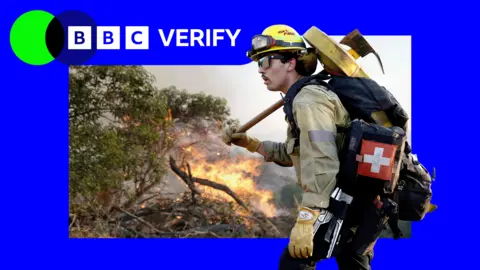
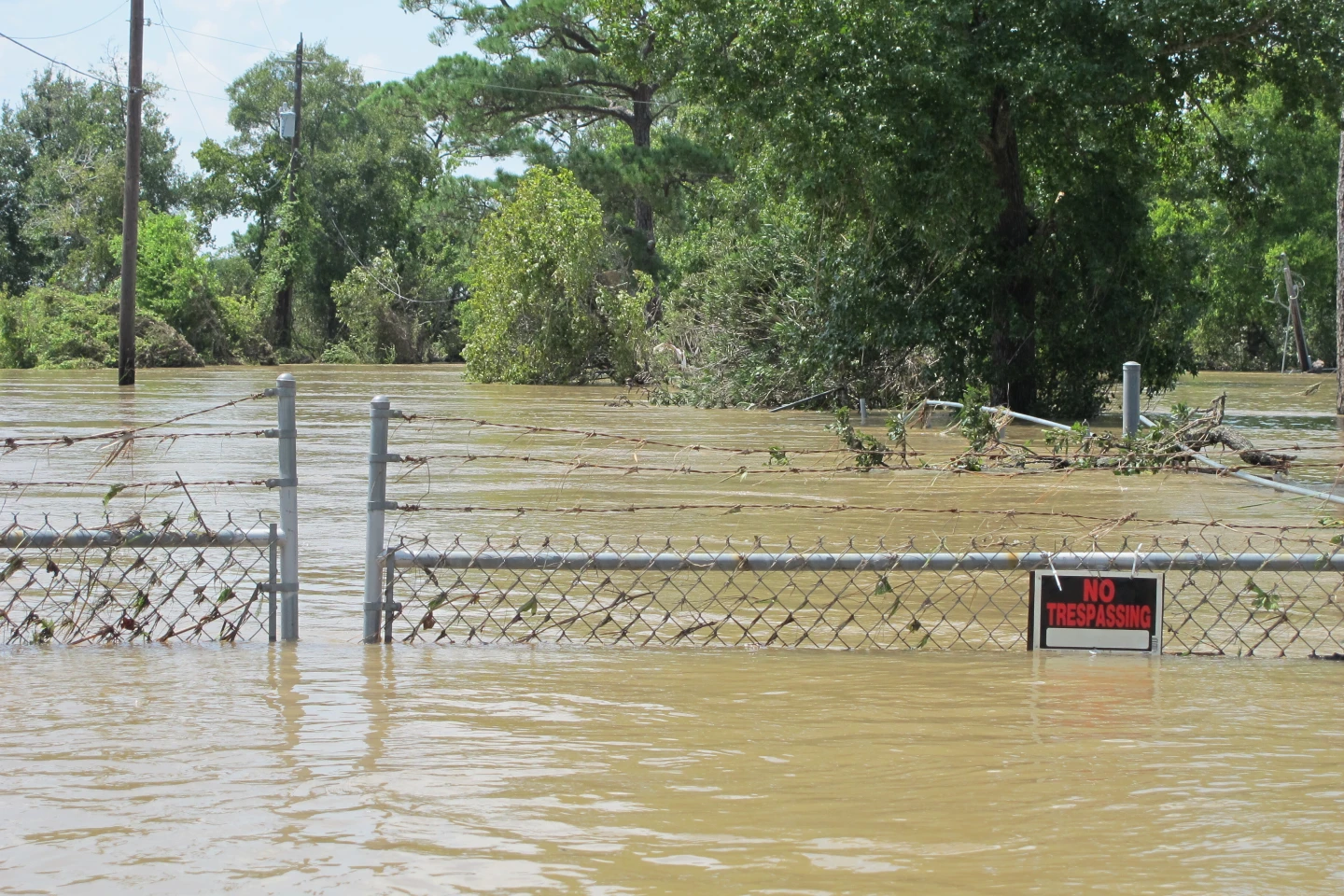
The reports emphasize that 49 of the identified sites are located in coastal regions, susceptible to sea-level rise and storm surges, particularly following hurricanes. Additionally, 47 are in low-lying areas vulnerable to inland flooding stemming from heavy rainfall, and 31 others are at high risk for wildfires.
Despite recognizing these threats, the existing cleanup plans for these Superfund locations frequently overlook the impact of climate change, including the increased incidence of flooding and more severe storms. Betsy Southerland, a former director in the EPA’s water protection division, noted the serious implications of this oversight, arguing that it leads to inadequate preparations for mitigating potential contamination incidents.
The importance of this report cannot be overstated, as it raises awareness about the inherent risks these sites pose to local communities and the ecosystems around them, underscoring the need for proactive planning and robust mitigation strategies. As climate change continues to exacerbate natural disasters, ensuring the safety of those living near these toxic waste sites becomes increasingly critical.
The reports emphasize that 49 of the identified sites are located in coastal regions, susceptible to sea-level rise and storm surges, particularly following hurricanes. Additionally, 47 are in low-lying areas vulnerable to inland flooding stemming from heavy rainfall, and 31 others are at high risk for wildfires.
Despite recognizing these threats, the existing cleanup plans for these Superfund locations frequently overlook the impact of climate change, including the increased incidence of flooding and more severe storms. Betsy Southerland, a former director in the EPA’s water protection division, noted the serious implications of this oversight, arguing that it leads to inadequate preparations for mitigating potential contamination incidents.
The importance of this report cannot be overstated, as it raises awareness about the inherent risks these sites pose to local communities and the ecosystems around them, underscoring the need for proactive planning and robust mitigation strategies. As climate change continues to exacerbate natural disasters, ensuring the safety of those living near these toxic waste sites becomes increasingly critical.