In brief
Recent investigations by BBC Panorama reveal a network of overseas creators producing AI-generated anti-immigration videos that are misleading audiences in the UK. These accounts, primarily located in countries like Sri Lanka and Iran, utilize AI to fabricate a narrative of societal decline, raising concerns about misinformation and its impact on public perception. Experts highlight the challenge of discerning fact from fiction in an age of rapid technological advancement, urging social media platforms to enhance transparency and counteract the spread of misleading content.
The 'Great British People' Facebook page, claiming to originate from Yorkshire, has garnered 1.3 million views for a video featuring an elderly white British man lamenting his pension. This account, however, is managed from Sri Lanka, raising questions regarding its authenticity and the motivations behind its anti-immigration narrative.
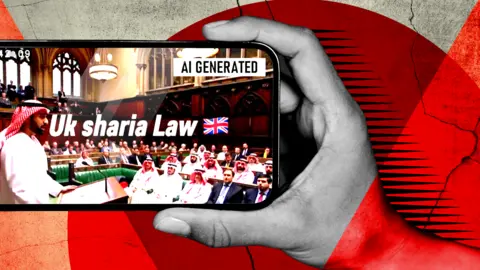
According to BBC Panorama and the Top Comment podcast, various interconnected accounts create alarming AI-generated content highlighting supposed mass immigration issues in the UK. The creators of these narratives are often far removed from the communities they depict.
Analysis reveals these accounts are run from multiple countries, including Sri Lanka, the US, Vietnam, and the Maldives, often linked to regimes like those in Iran and the UAE. Experts assert that the proliferation of AI content diminishes people’s abilities to distinguish between authentic and fake materials.
Mayor of London, Sir Sadiq Khan, emphasizes the dangers of false narratives spread through AI-generated imagery, which hinges heavily on economic motivations or foreign influence. While some aim for profit, others foster a more sinister agenda, potentially funded or supported by hostile states.
Research indicates that alarming AI representations of social scenarios could deter foreign investment and tourism, ultimately harming the UK’s global reputation. Calls for social media companies to enhance their scrutiny of such misinformation are growing stronger, as more instances of AI-generated division and propaganda surfaces online.
Despite the challenges, the effectiveness of these narratives reveals a new frontier in misinformation, pushing social media to reconsider their parameters around content verification and the definition of authenticity in the digital age.