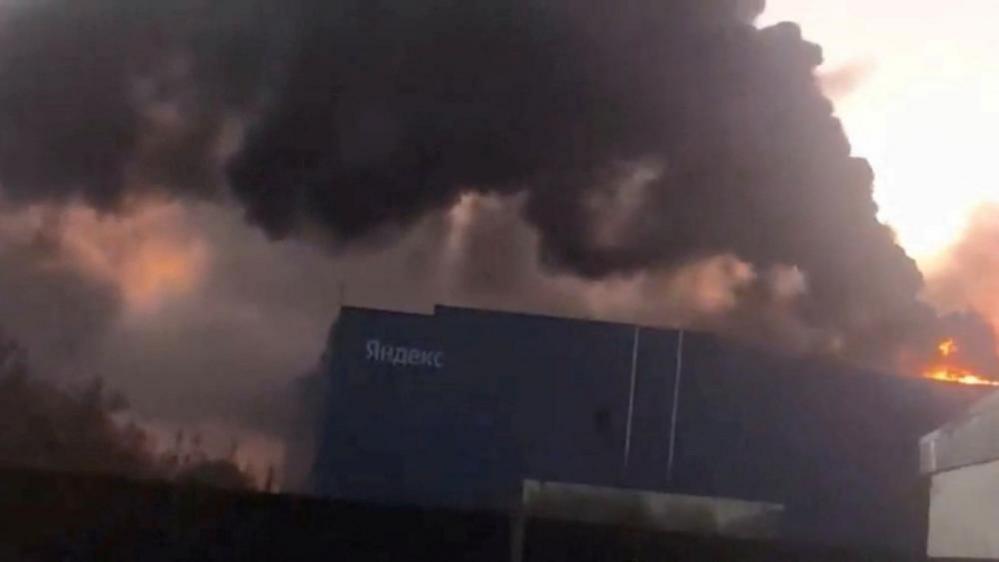
Ukraine’s focused drone campaign has again struck the Russian technology hub Yandex. The third hit on a Yandex site this week caused damage to the data centre located in Vladimir, east of Moscow. The incident forced the company to pause operations at that facility, temporarily disabling several services used by tens of millions across Russia.
Yandex, often dubbed “Russia’s Google”, confirmed no casualties at the site, but noted that the strike significantly disrupted its network. The company’s staff have been working round‑the‑clock to restore connectivity, however the full operational pace remains uncertain.
This assault follows earlier attacks on Yandex’s data centres in Sasovo on Thursday and in Kaluga on Friday. Each strike has increasingly strained Russia’s tech ecosystem, forcing the diversion of resources to repair and secure critical cyber infrastructure.
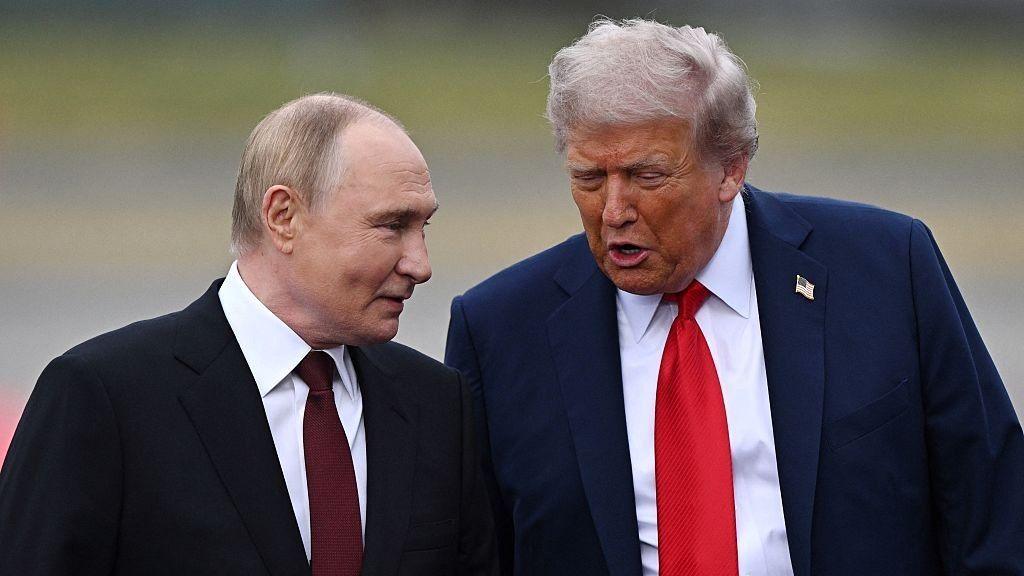
The drone raid came hours after former US President Donald Trump publicly urged Ukraine to cease targeting Russian oil refineries. Trump’s remarks, made in a press briefing, added a political dimension to an already volatile military contest.
In response, Ukrainian President Volodymyr Zelensky tempered criticism over a U.S.‑Russia diesel deal, asserting that any de‑escalation must be reciprocal. He called for concrete guarantees before Italy would sanction Russian energy infrastructure.
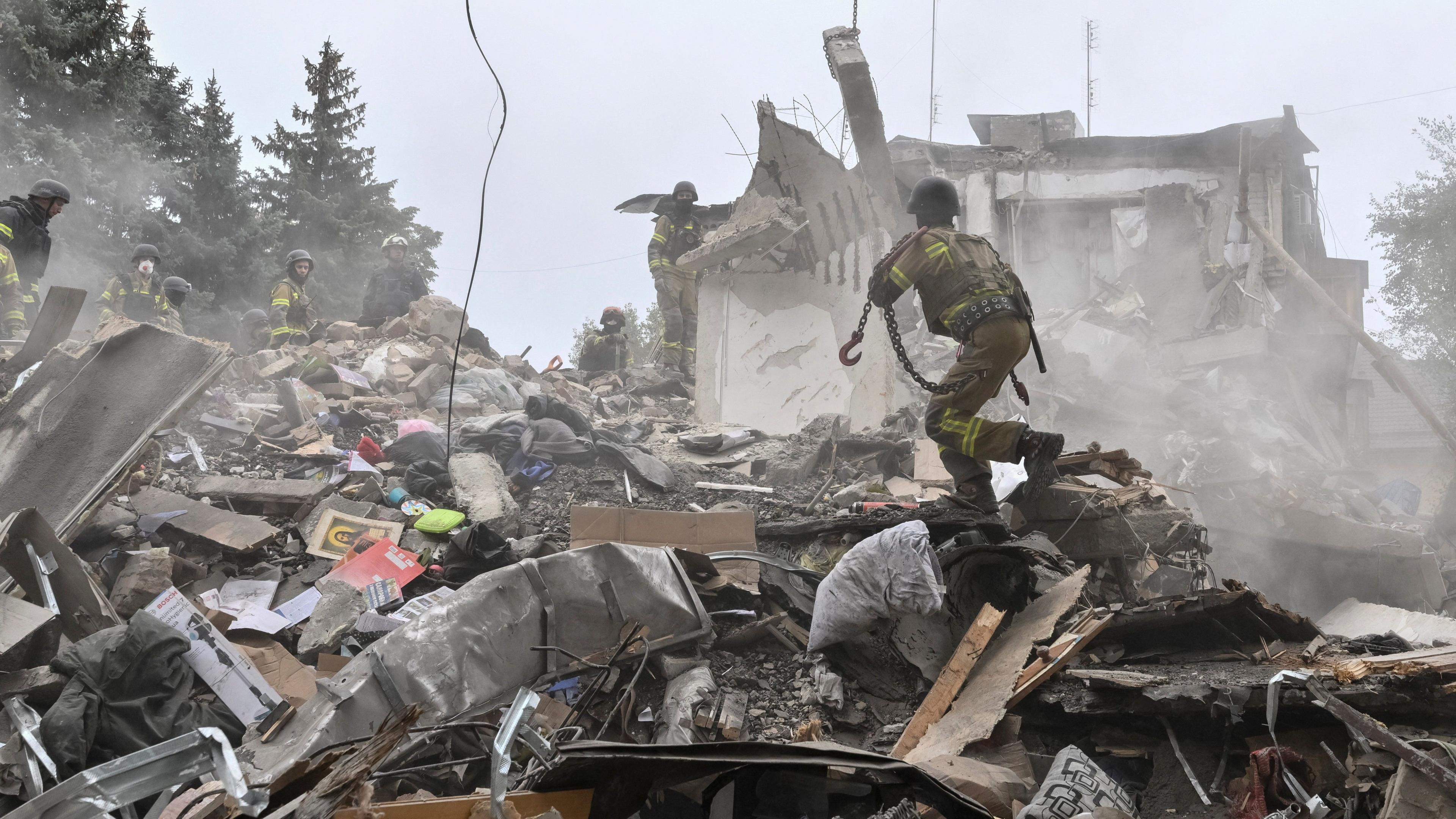
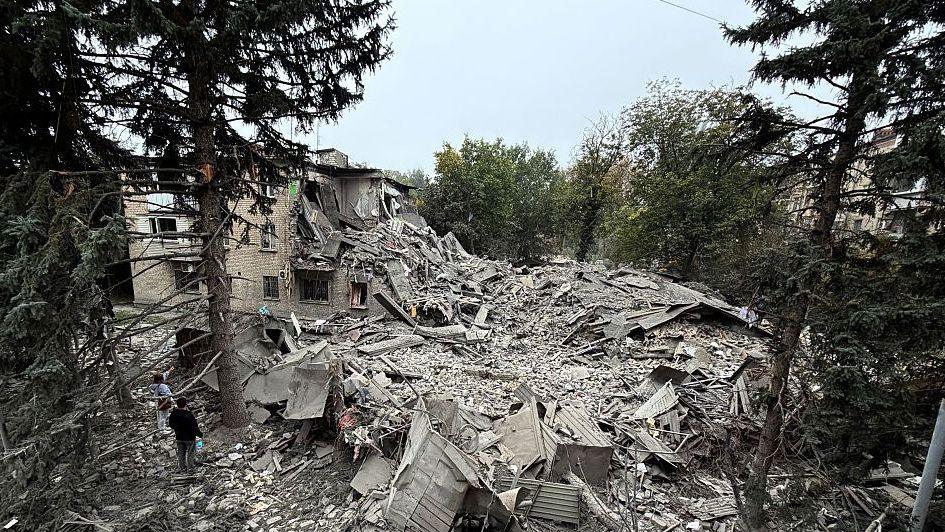
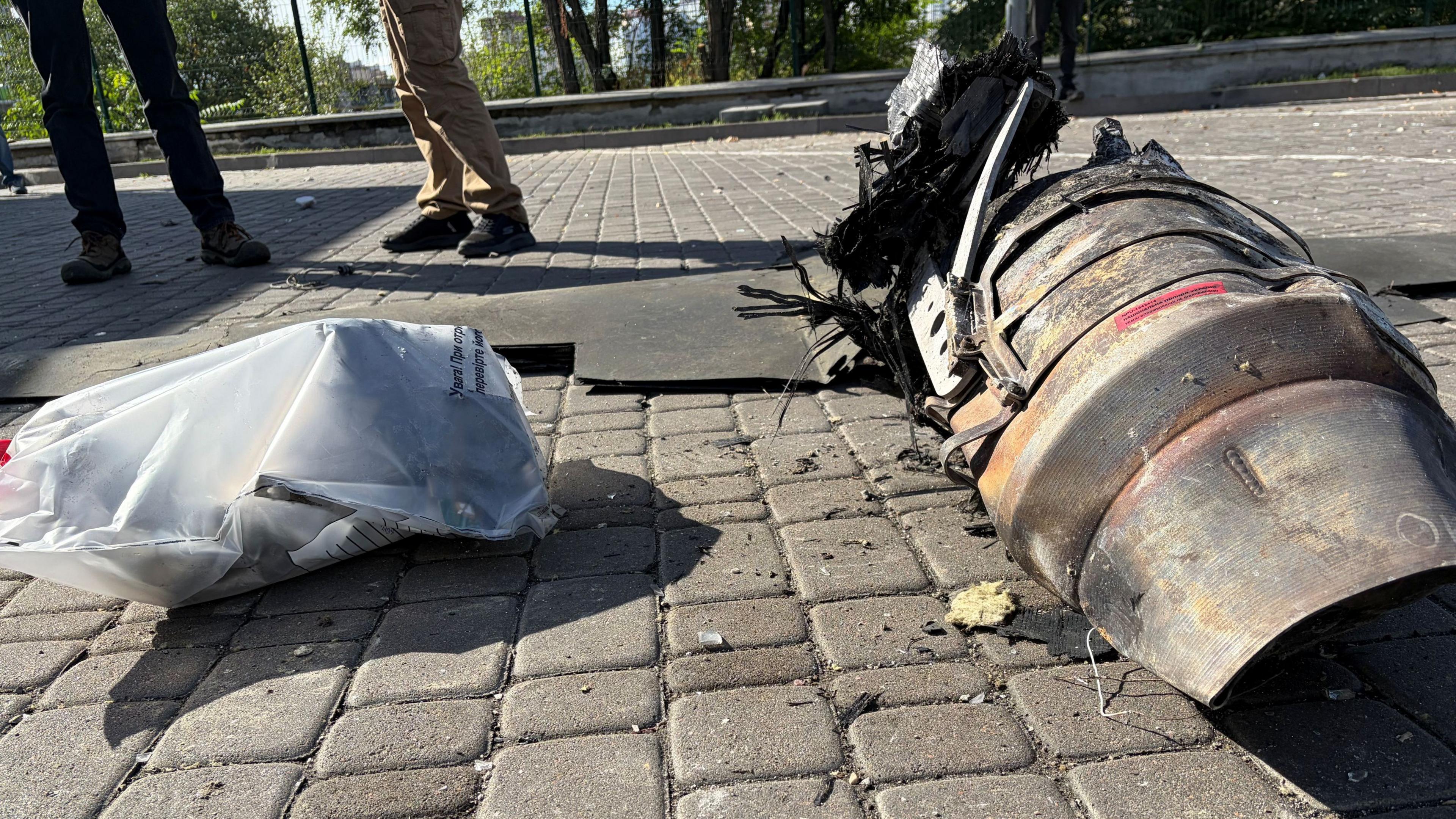
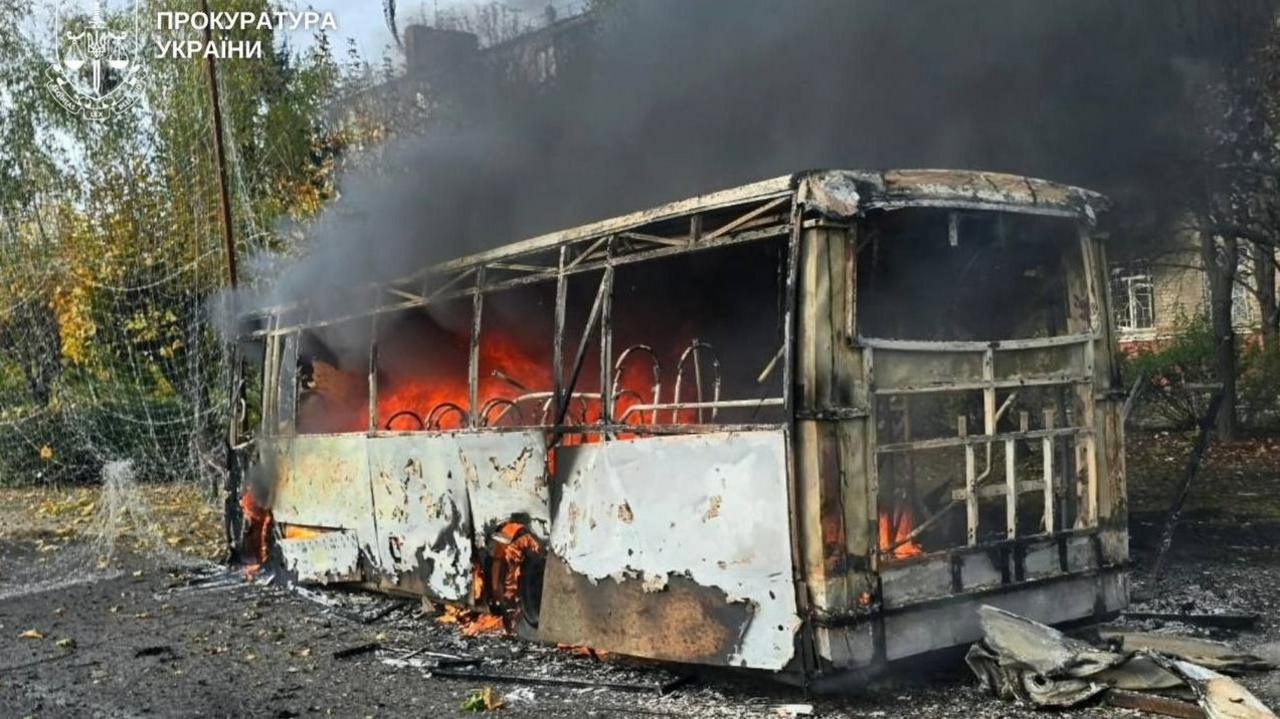
Meanwhile, Russian strikes on Ukrainian targets have continued over the weekend, which, according to the State Emergency Service of Ukraine, caused injuries in Dnipropetrovsk and fatalities in Zaporizhzhia. Moscow’s continued focus on energy infrastructure, however, has amplified the enemy’s perception of such facilities as strategic assets worth protecting or destroying.
The situation underscores a modern battlefield where cyber‑economic resilience meets physical arms. Such extensive targeting of data centres reveals the high stakes involved in controlling digital infrastructures that underpin not only national economies but also operational capabilities for both sides of the conflict.