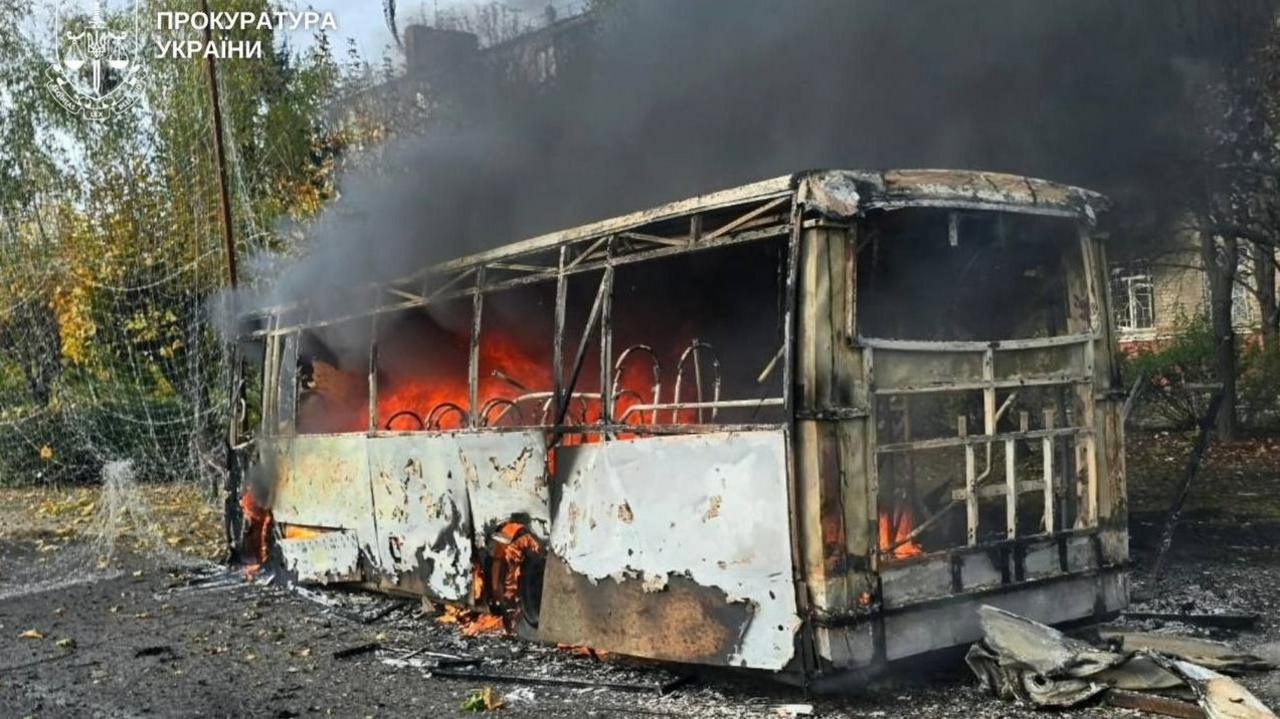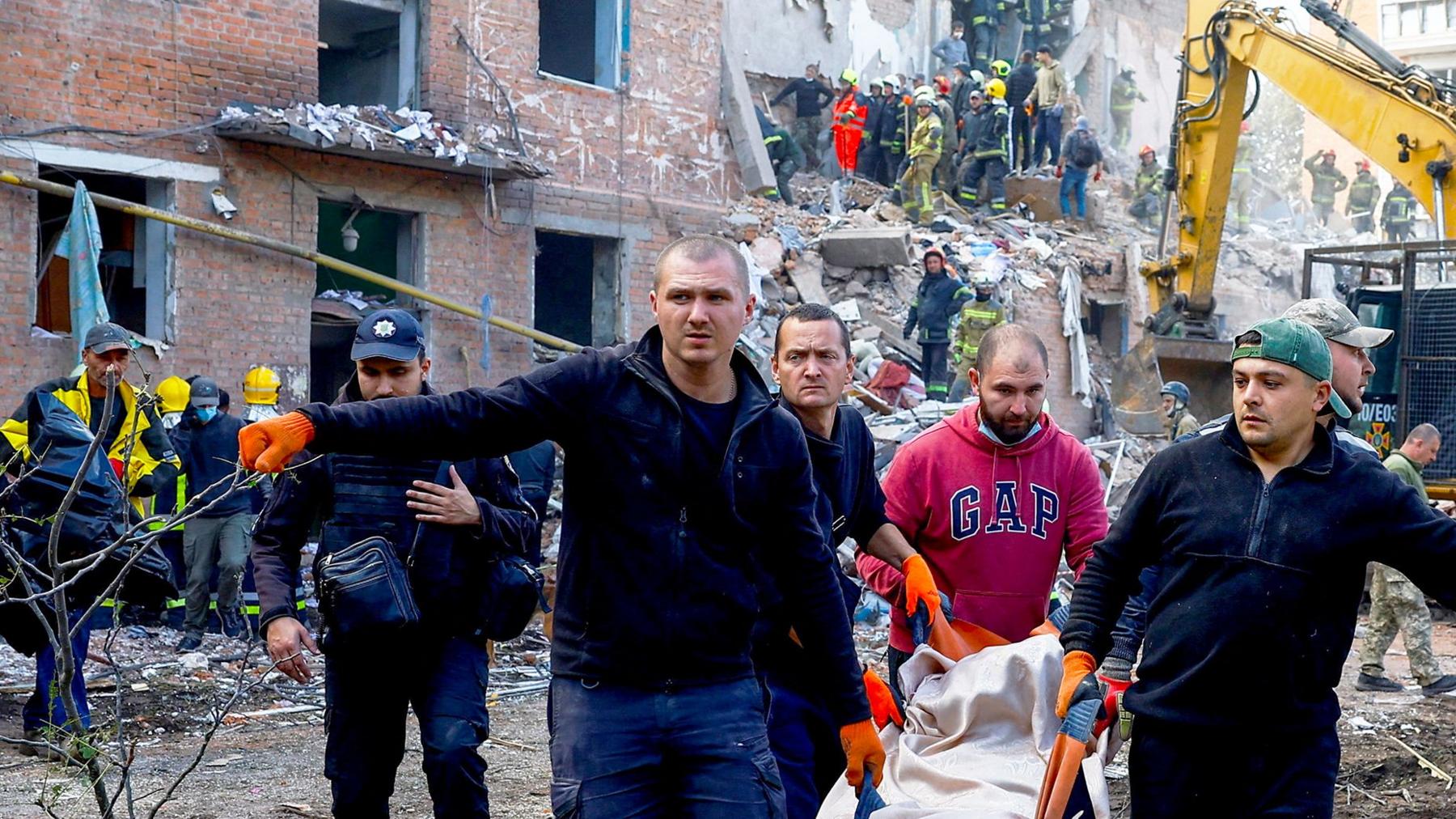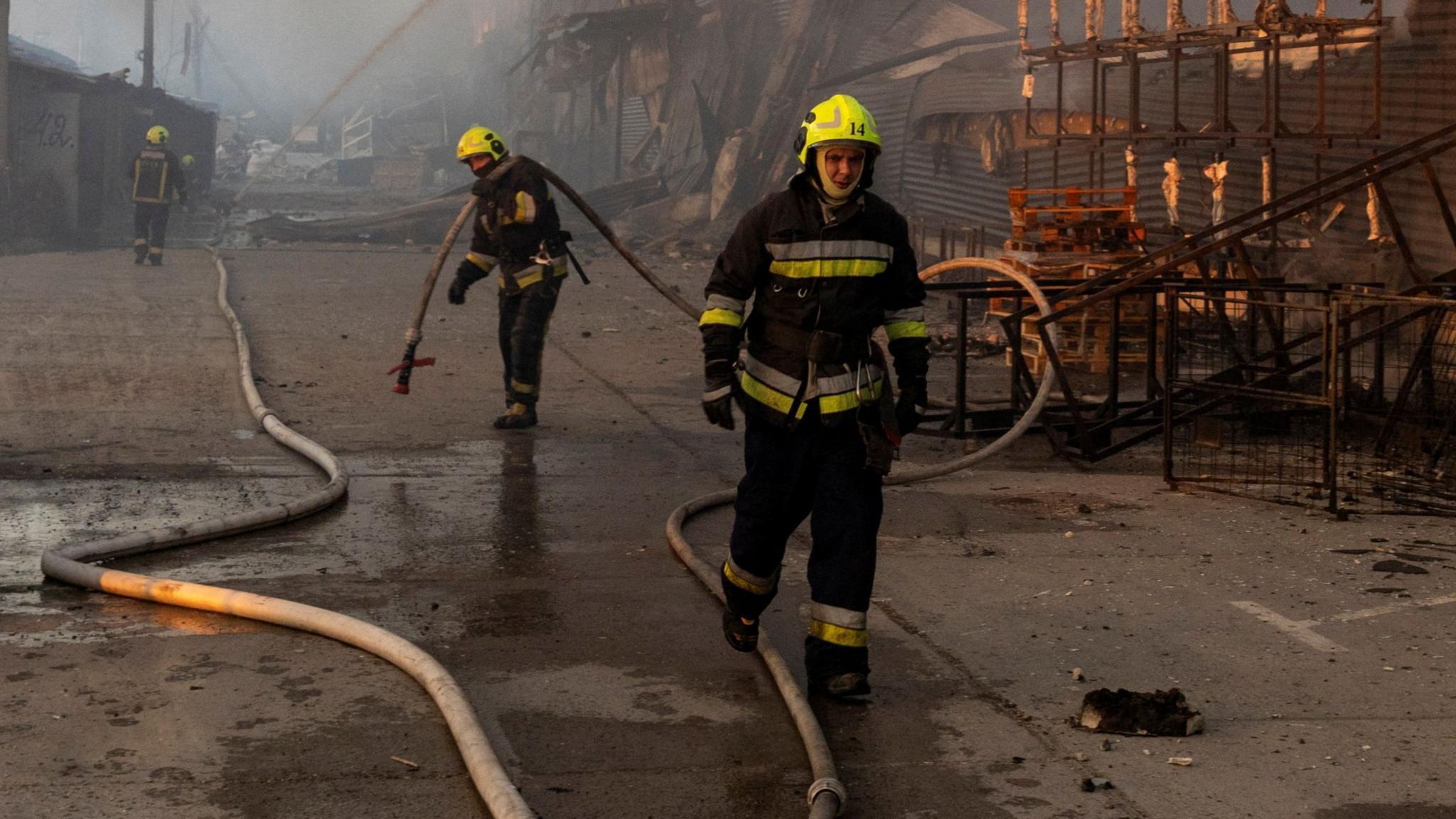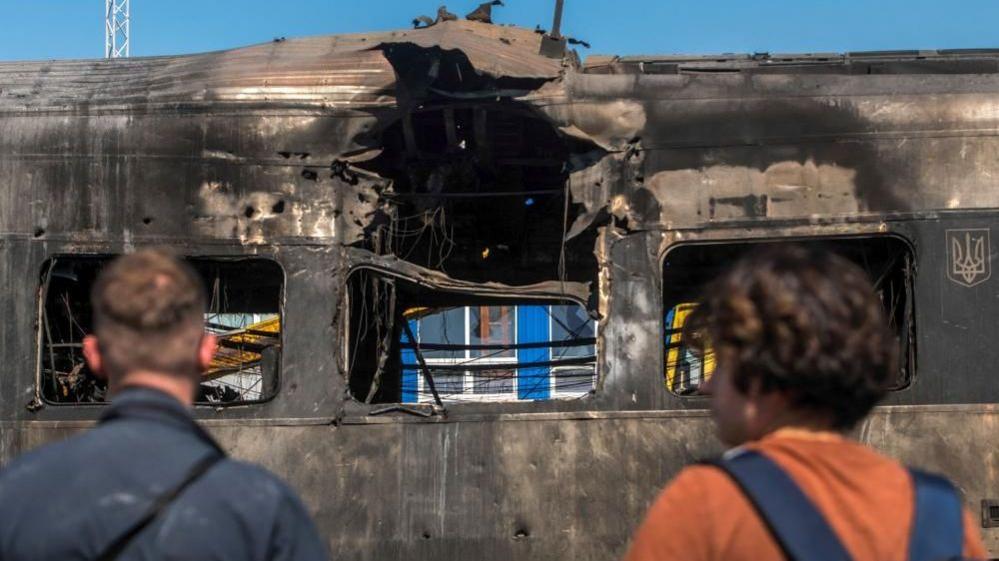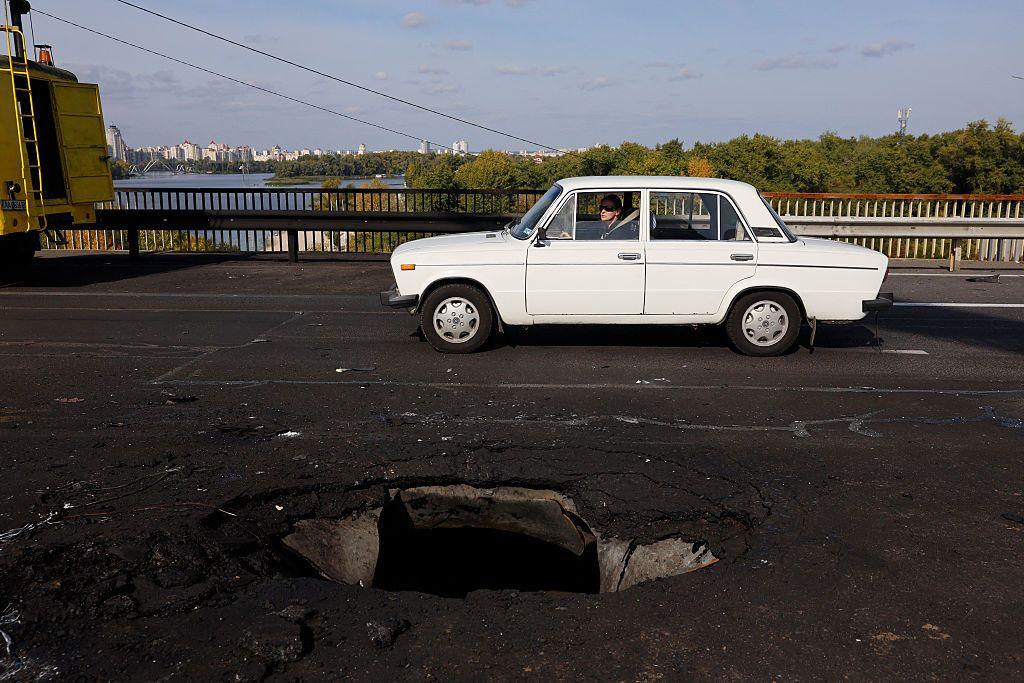
With Russian drones and missiles increasingly striking Kyiv’s cityscape and the approach of a harsh winter, many residents are choosing to leave the capital for safer, warmer regions.
Housewife Mariia Shostak, who now has to pack her small flat, recalls the “very difficult winter” of last year, marked by sub‑zero temperatures and frequent power outages caused by attacks on Ukraine’s power grid. She says, “There were some days and weeks that were unbearable. I started thinking I’m not going through another winter like this.”
The situation worsened at the end of August when Kyiv began “being attacked around the clock”, meaning drones and missiles now strike within the city’s heart rather than its outskirts. This has prompted Shostak to relocate her four‑year‑old son, Artur, and two‑year‑old daughter, Kira, to Egypt’s Red Sea coast for the winter, citing lower costs and a more temperate climate. She reports feeling “not safe in Ukraine in any way.”
A September survey by the Gradus research firm found that 40 % of Ukrainians were considering relocation if living conditions deteriorated further, while 35 % answered they would not move. Evgeniya Blyznyuk, Gradus’s CEO, notes that many would postpone moving until conditions become unlivable, and stresses that the fear of food shortages and recurring power cuts is a major driver.
For Kyiv residents who cannot afford long‑term relocation abroad or rural living, the city’s authorities are offering refuge in converted sanatoriums and rehabilitation centres on the outskirts, amid a network of fifteen small‑scale power plants built in fortified bunkers to shield against drone attacks. These plants supply electricity and heat to hundreds of high‑rise apartments, but the persistence of scheduled power cuts and supply shortages keeps the pressure to move mounting.
Other families, like Iryna and her daughter Polina, are dealing with the psychological fallout of repeated shelling, resulting in severe anxiety, vomiting and trembling. Iryna, who works with an international NGO, is contemplating leaving for Poland, while her husband is in the army. She says, “Our president says that it is better to leave Kyiv because this is target number one.”
Not all citizens can afford a cottage or a months‑long trip abroad. Some are turning to the countryside, with activists such as Olena Konoplia settling in villages two hours from the capital, installing gas heaters and securing internet to continue her charitable work. She reports that the peace and quiet of rural life helps her sleep without constant sirens or explosions.
As Kyiv’s attackers blunt the city’s energy infrastructure and target key bridges, petrol stations and schools, the psychological toll on families continues to rise. While the Ukrainian government has fortified power sources and opened additional shelters, the uncertain future of the war, combined with the imminent harsh winter, fuels an ongoing migration crisis that the nation may only resolve when security and civic life are restored.