A bitter dispute pitting Hungary and Slovakia against Ukraine is holding up a crucial €90bn (£77.95bn) EU loan to Ukraine.
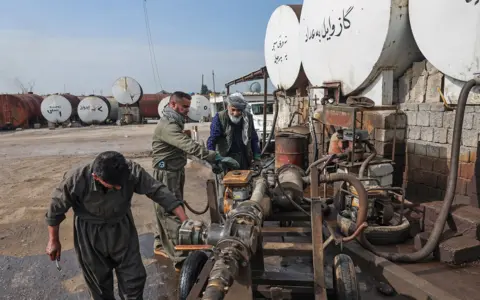
No oil has flowed through the Druzhba (Friendship) pipeline, which runs from Russia to Hungary and Slovakia via Ukraine, since the critical oil hub at Brody in western Ukraine was damaged in a Russian attack on January 27.
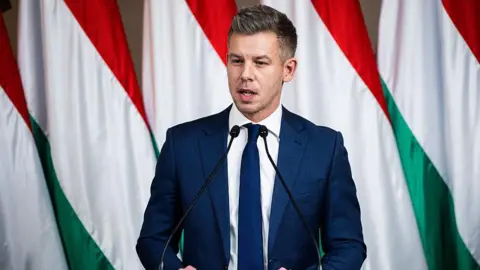
While Ukraine claims it will need six more weeks to fix the damage and restore oil flow, Budapest accuses Kyiv of stalling as retribution for Hungary's pro-Russian and anti-Ukrainian stance.
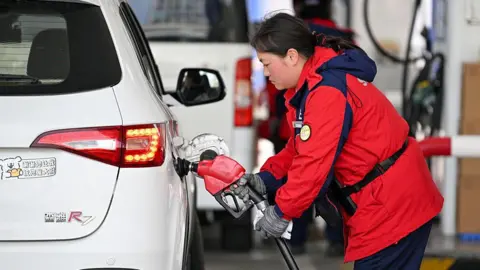
This situation underscores how a handful of countries can obstruct EU decision-making, while Hungary and Slovakia face fuel crises for refusing to shift away from Russian oil since 2022.
The Brody pumping station in Ukraine's western Lviv region is crucial for transporting Russian oil to Hungary and Slovakia.
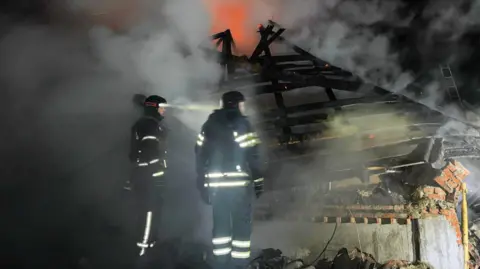
Satellite images show the substantial impact of the Russian airstrike, which severely damaged a vital oil storage tank necessary for maintaining the pipeline's pressure.
Ukrainian energy expert Henadiy Ryabtsev notes that the damage is extensive, potentially affecting other systems at Brody beyond just the oil tank.
Efforts to repair the facility face challenges, including constraints from ongoing air raids and a lack of available experts due to continuous Russian assaults on Ukraine's energy infrastructure.
Ursula von der Leyen, the European Commission President, highlighted that the EU has extended technical support and funding to assist Ukraine in addressing these repair challenges.
Despite Ukraine's acknowledgment of the need for assistance, President Volodymyr Zelensky expressed hesitance to restore the pipeline due to its ties to Russian oil, stating on March 5, I wouldn’t restore it... because it's Russian oil. The ongoing political tensions complicate efforts to resume normal oil flow, with both Hungary and Slovakia stating their infrastructure can support the Ukrainian-origin oil without issues.