Growth rates in U.S. metro areas dropped considerably in 2025, particularly in communities along the U.S.-Mexico border, resulting from substantial declines in immigrant populations. Additionally, areas in Florida experienced a notable loss of residents due to the severe impacts of hurricanes, according to population estimates published by the U.S. Census Bureau.
Data indicates that overall, most metro areas and counties encountered slower population growth, primarily attributed to reduced international migration. In 2024, many urban areas saw an influx of immigrants aiding recovery from the COVID-19 pandemic, which did not continue into the following year.
The growth rate for metro areas declined from 1.1% in 2024 to 0.6% in 2025, showing a significant contraction and raising concerns about future demographic trends.
Immigrant Losses
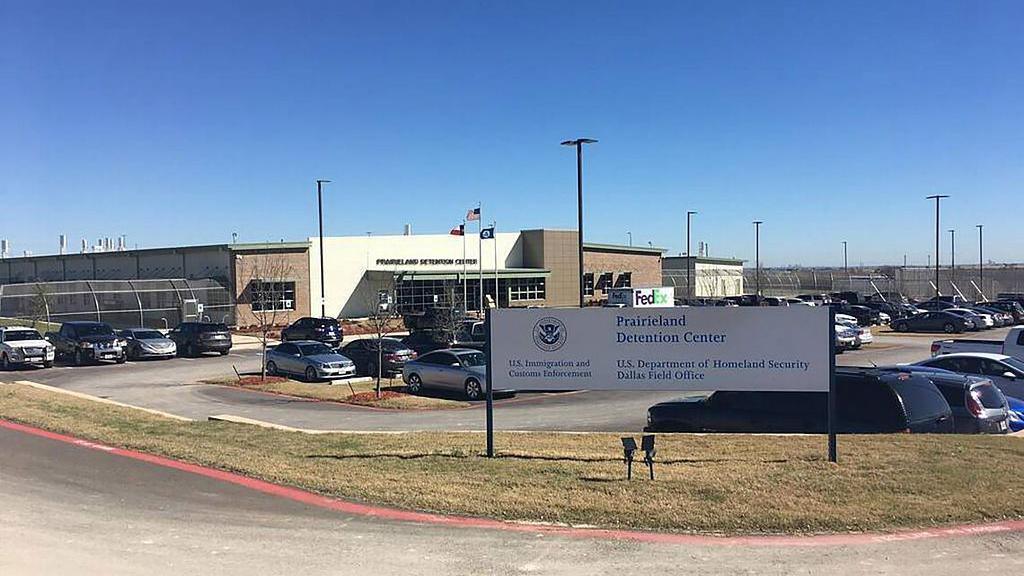
The steepest declines in 2025 were observed in metro areas adjacent to the U.S.-Mexico border, such as Laredo, Texas, where the growth fell from 3.2% to 0.2%, and Yuma, Arizona, which saw a drop from 3.3% to 1.4%. In El Centro, California, the growth rate not only decreased but turned negative, falling from 1.2% to -0.7%.
Demographers indicate that this pattern highlights a fluctuations effect seen in these border regions, where international migration is crucial for annual population changes.
Hurricane Migration
In Florida, two major hurricanes in 2024 prompted substantial migration away from affected counties, with Pinellas County alone witnessing a loss of nearly 12,000 residents.
The population estimates also revealed how hurricane recovery efforts impacted local demographics, with Taylor County recording an alarming -2.2% growth rate as communities began to relocate in the aftermath of natural disasters.
Growth Leaders
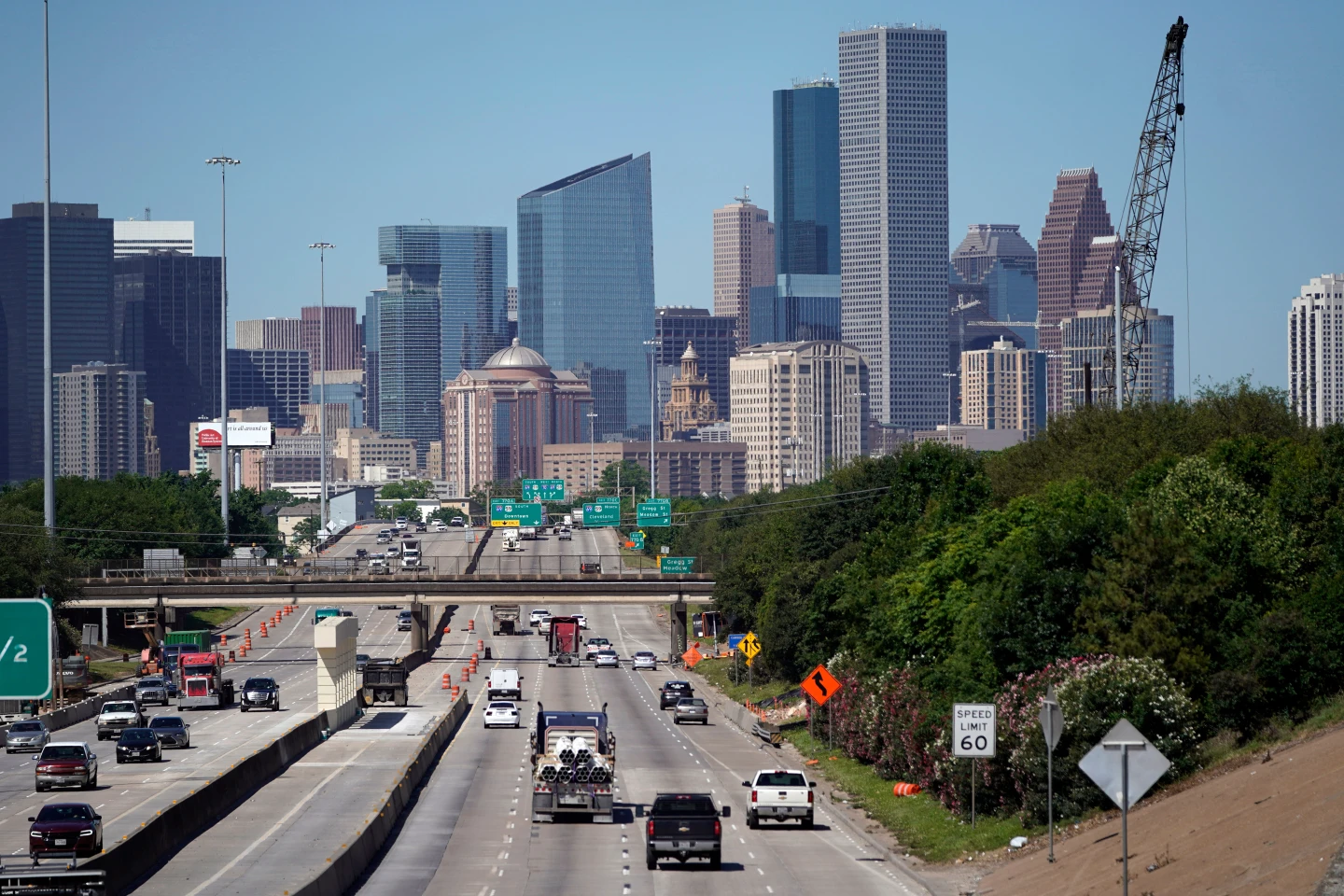
Despite setbacks in some areas, the Houston and Dallas-Fort Worth metropolitan regions emerged as leaders in population growth, followed by Atlanta, Phoenix, and Charlotte, North Carolina. Additionally, smaller metro areas in Florida and South Carolina showcased impressive growth rates, reshaping the demographic landscape.
The pandemic-era shift toward remote work has fueled growth in far-flung exurban areas as housing demand rises due to increased cost of living in metropolitan hubs.
Natural Increase
Interestingly, while cities such as New York faced an exodus, their birth rates allowed them to maintain some growth. Metropolitan areas like Dallas-Fort Worth and Houston are leading in natural population increases owing to their relatively young demographics and population dynamics.