A U.S. government panel will convene for the first time since 1992 to discuss the potential exemption of oil and gas drilling in the Gulf of Mexico from the Endangered Species Act, igniting concerns over the preservation of endangered marine species. Critics argue that this exemption could particularly threaten the already endangered Rice's whale, of which only about 50 individuals are estimated to remain in the Gulf.
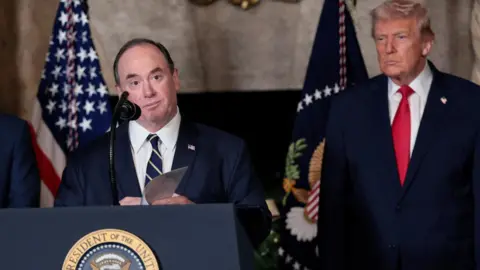
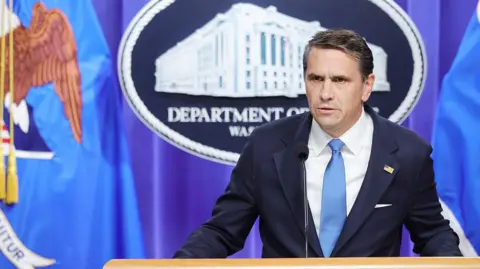
The Endangered Species Committee, informally known as the God Squad and chaired by Interior Secretary Doug Burgum, consists of several officials from the Trump administration. The panel's deliberations are prompted by national security claims from Defense Secretary Pete Hegseth, who stated that an exemption is necessary due to unspecified national security concerns amidst rising global oil prices.
As the Gulf of Mexico accounts for more than 10% of U.S. crude production, the region has garnered increasing attention from the Trump administration, which has prioritized fossil fuel expansion and initiated rollbacks on certain environmental regulations. While government officials have not revealed specific reasons for the exemption request, experts argue that a defined military necessity that could justify endangering a species is essential for the national security exemption to hold legal weight.
Environmental groups have sought to challenge this meeting, claiming that the exemption could result in dire consequences for the endangered Rice's whale along with other marine species that are already at risk due to habitat degradation, ship strikes, and oil spills. The Gulf has historically been plagued by environmental disasters, including the infamous Deepwater Horizon spill in 2010, which added to the apprehensions surrounding increased drilling activity.
The Endangered Species Committee was established in 1978 but has only gathered three times in its 53-year history, issuing exemptions sparingly. The outcomes of this meeting could set significant precedents for environmental regulations in relation to U.S. energy policies.