On day one, he put the world on notice. 'Nothing will stand in our way,' President Donald Trump declared, to thunderous applause, as he ended his inauguration speech in a cold Washington winter on this day last year, at the start of his second term. Did the world fail to take enough notice?
Tucked into his speech was a mention of the 19th Century doctrine of 'manifest destiny' – the idea that the US was divinely ordained to expand its territory across the continent, spreading American ideals. At that moment, the Panama Canal was in his sights. 'We're taking it back,' Trump announced. Now that same declaration, expressed with absolute resolve, is directed at Greenland.
'US history is littered with consequential and controversial American invasions, occupations, and covert operations to topple rulers and regimes. But, in the past century, no American president has threatened to seize the land of a longtime ally and rule it against their people's will. No US leader has so brutally broken political norms and threatened long-standing alliances which have underpinned the world order since the end of World War Two.
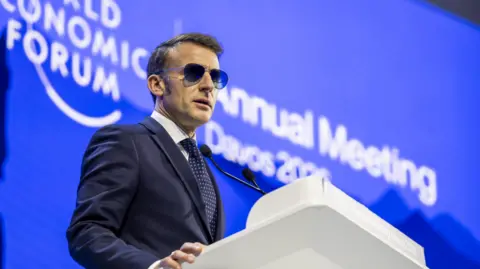
Trump is now being described as possibly the US's most 'transformative' president - cheered by supporters at home and abroad, alarm among others in capitals the world over, and a watchful silence in Moscow and Beijing. 'It's a shift toward a world without rules, where international law is trampled underfoot, and where the only law which seems to matter is the strongest with imperial ambitions resurfacing,' was French President Emmanuel Macron's stark warning at the Davos Economic Forum, without directly mentioning Trump.
With mounting anxiety over a potential trade war and NATO's fate hanging in the balance, political leaders grapple with how to respond to Trump's brash tactics and strident vision. Many observations emphasize that this is no longer just about Trump—it's a critical juncture in global political dynamics, with reverberations felt from Europe to America and beyond.
Tucked into his speech was a mention of the 19th Century doctrine of 'manifest destiny' – the idea that the US was divinely ordained to expand its territory across the continent, spreading American ideals. At that moment, the Panama Canal was in his sights. 'We're taking it back,' Trump announced. Now that same declaration, expressed with absolute resolve, is directed at Greenland.
'US history is littered with consequential and controversial American invasions, occupations, and covert operations to topple rulers and regimes. But, in the past century, no American president has threatened to seize the land of a longtime ally and rule it against their people's will. No US leader has so brutally broken political norms and threatened long-standing alliances which have underpinned the world order since the end of World War Two.
Trump is now being described as possibly the US's most 'transformative' president - cheered by supporters at home and abroad, alarm among others in capitals the world over, and a watchful silence in Moscow and Beijing. 'It's a shift toward a world without rules, where international law is trampled underfoot, and where the only law which seems to matter is the strongest with imperial ambitions resurfacing,' was French President Emmanuel Macron's stark warning at the Davos Economic Forum, without directly mentioning Trump.
With mounting anxiety over a potential trade war and NATO's fate hanging in the balance, political leaders grapple with how to respond to Trump's brash tactics and strident vision. Many observations emphasize that this is no longer just about Trump—it's a critical juncture in global political dynamics, with reverberations felt from Europe to America and beyond.