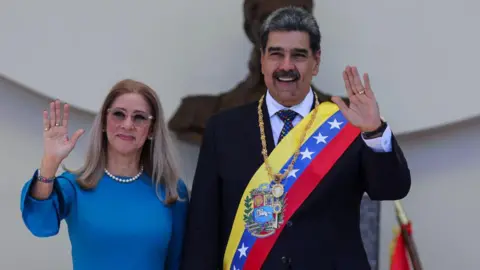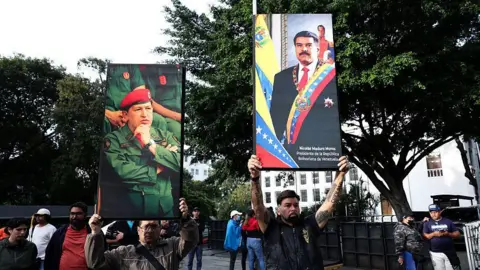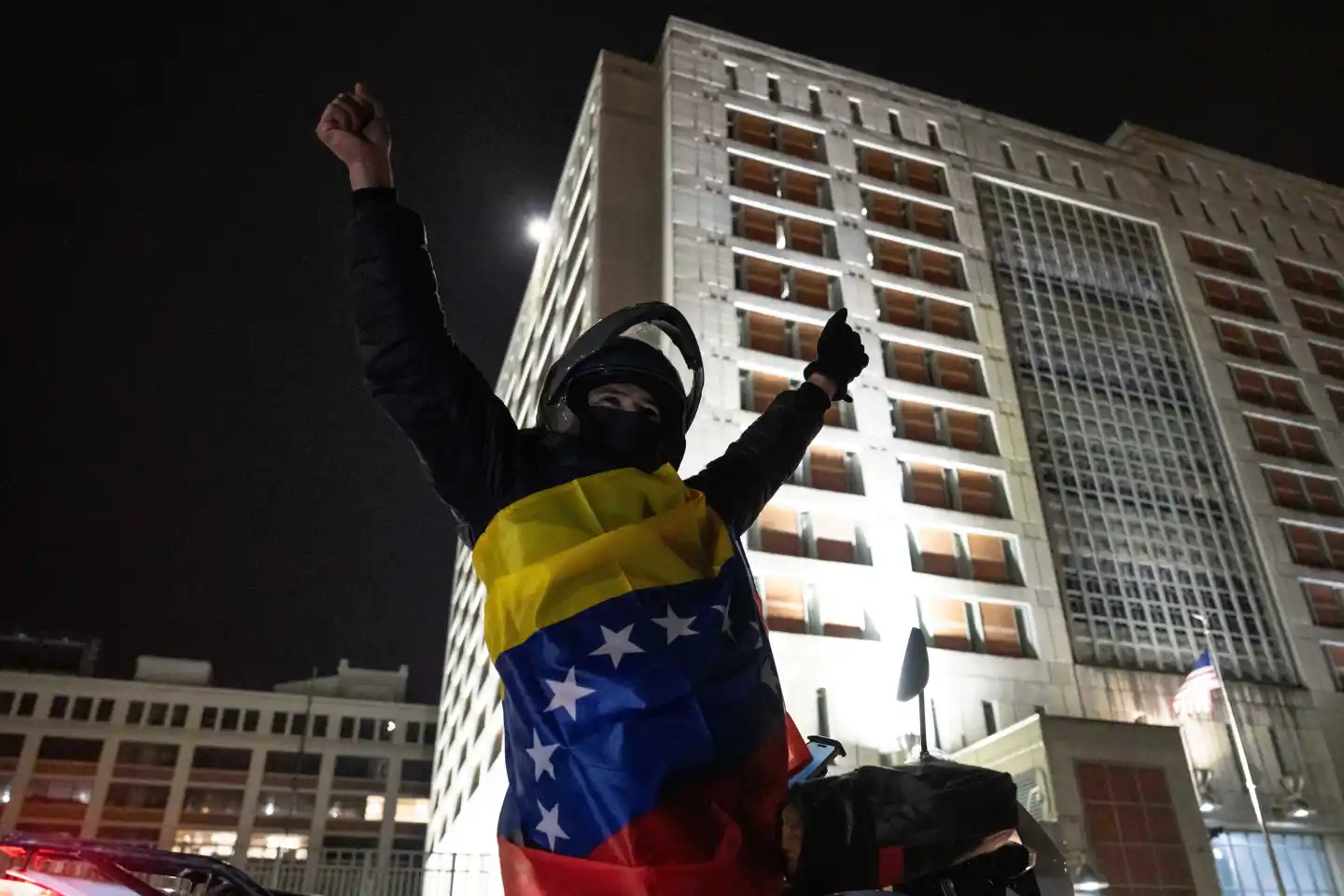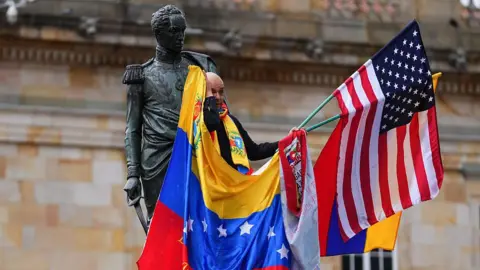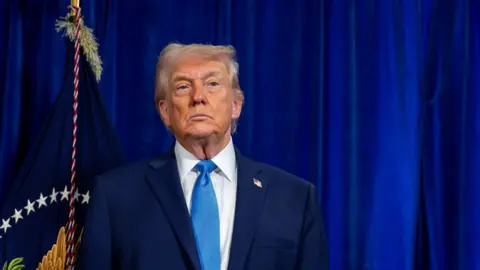
With the seizure of Venezuelan leader Nicolás Maduro, Donald Trump has demonstrated more powerfully than ever his belief in the power of his will, backed by raw US military force. On his orders, the US has Maduro behind bars and is now set to 'run' Venezuela.
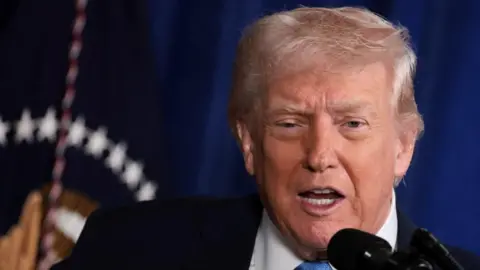
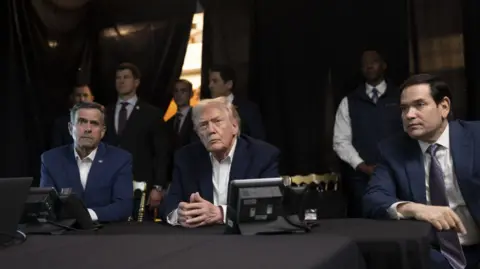
Trump made the announcement during a significant news conference held at Mar-a-Lago, indicating that the US would manage Venezuela until a safe and proper transition could occur.
The operation, hailed by Secretary of State Marco Rubio, underscores Trump's willingness to utilize military action and has raised questions about the ability to effectively govern Venezuela from afar. The implications of this intervention, however, extend far beyond Venezuelan borders.
The respected International Crisis Group has warned that Maduro's ousting could provoke violent upheaval, and a previous assessment by officials from the first Trump administration suggested the potential for chaos as competing factions vie for power.
Despite the U.S. perceiving itself as the victor in this scenario, the aftermath shows signs of impending instability and conflict. The military operation appears as a bold assertion of American power, yet Trump’s record raises concerns over the efficacy of regime change achieved by force.
Historically, U.S.-led efforts in countries like Iraq and Afghanistan have led to catastrophic consequences, highlighting the risks associated with military interventions.
Trump's rhetoric included claims of a new Monroe Doctrine, asserting U.S. dominance in the Western Hemisphere and suggesting potential future interventions in countries like Colombia and Cuba.
This military action not only risks exacerbating conditions in Venezuela but also sets a troubling precedent for international conduct. Observers fear that China and other authoritarian regimes may view it as an invitation to act similarly, as highlighted by Senator Mark Warner's concerns about international law and sovereignty.
Overall, Trump's decisive action characterizes a shift in global political dynamics and brings to light the precarious nature of international relations in an increasingly tumultuous world.