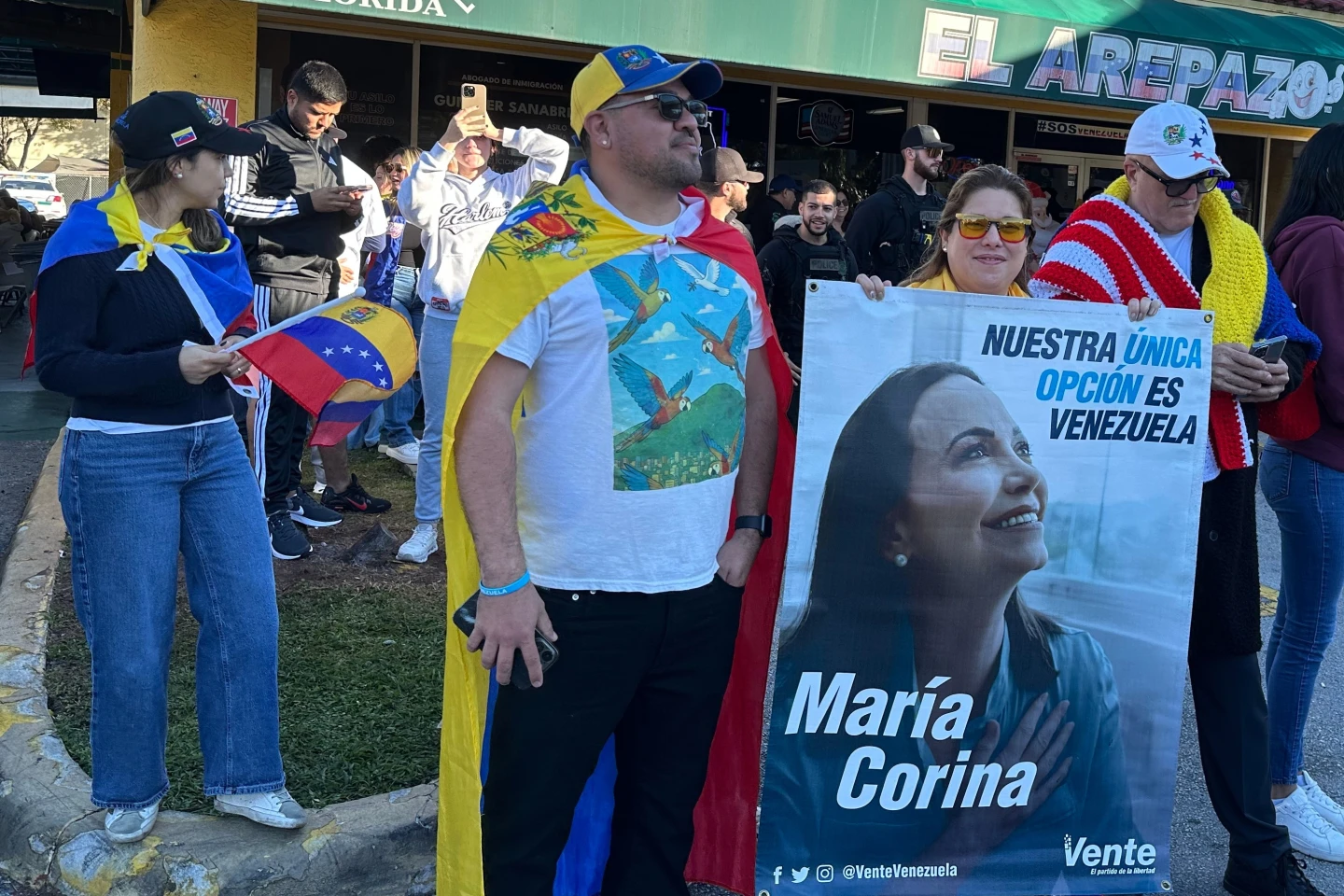
As the dust settles in Caracas, Venezuelans are reacting to the news of President Nicolás Maduro's capture by the US with hope, fear, and uncertainty. People began to emerge in the streets Saturday after a night rocked by explosions in the Caracas Valley, with moods that ranged from celebration to condemnation. Dina, a local resident, told the BBC that for now, she is grateful to the US for 'taking Maduro out of here' because now, she 'at least can see some light at the end of the tunnel again'. But the political climate remains tense, part of why she did not give the BBC her real name.
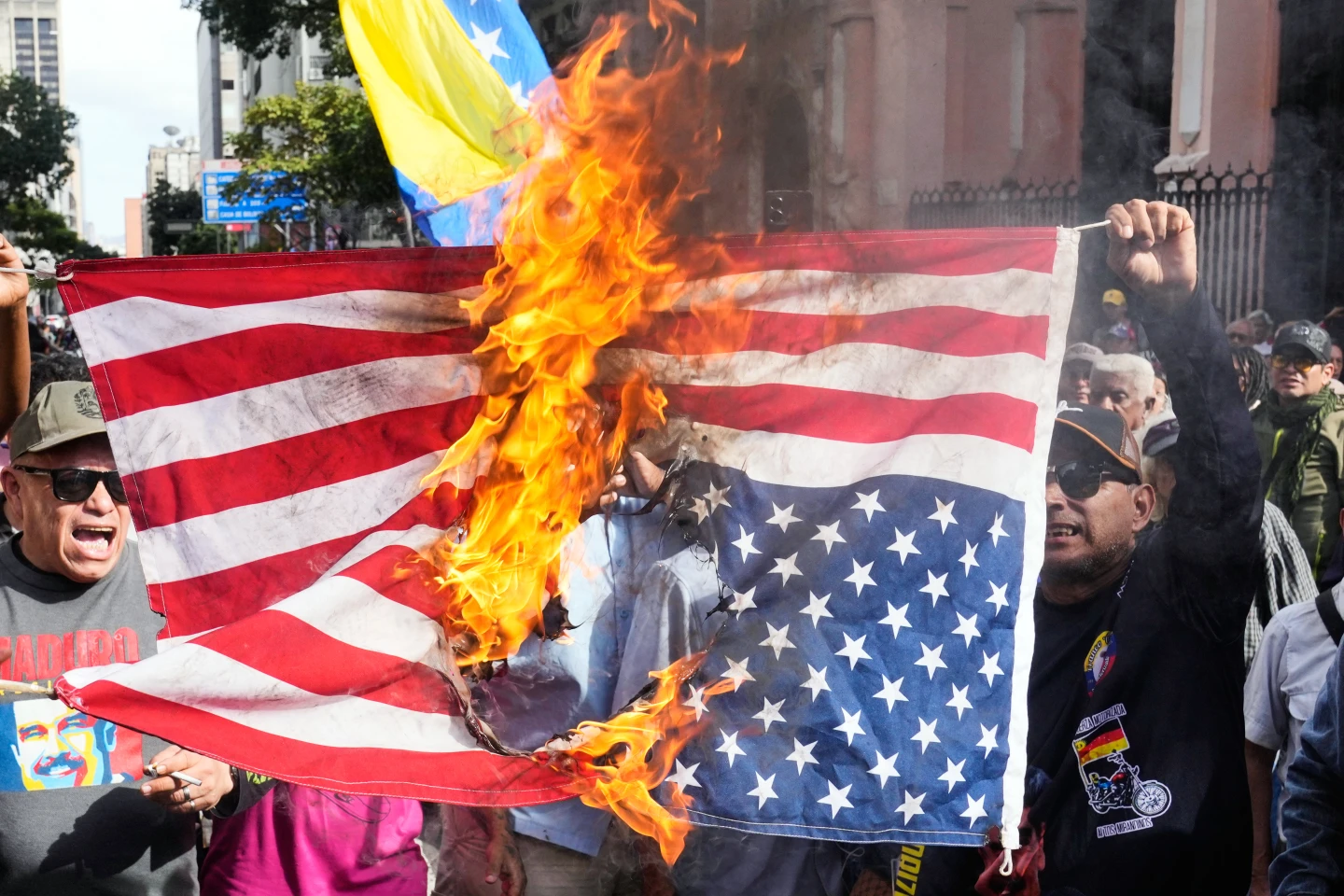
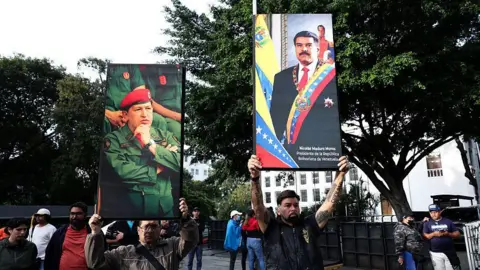
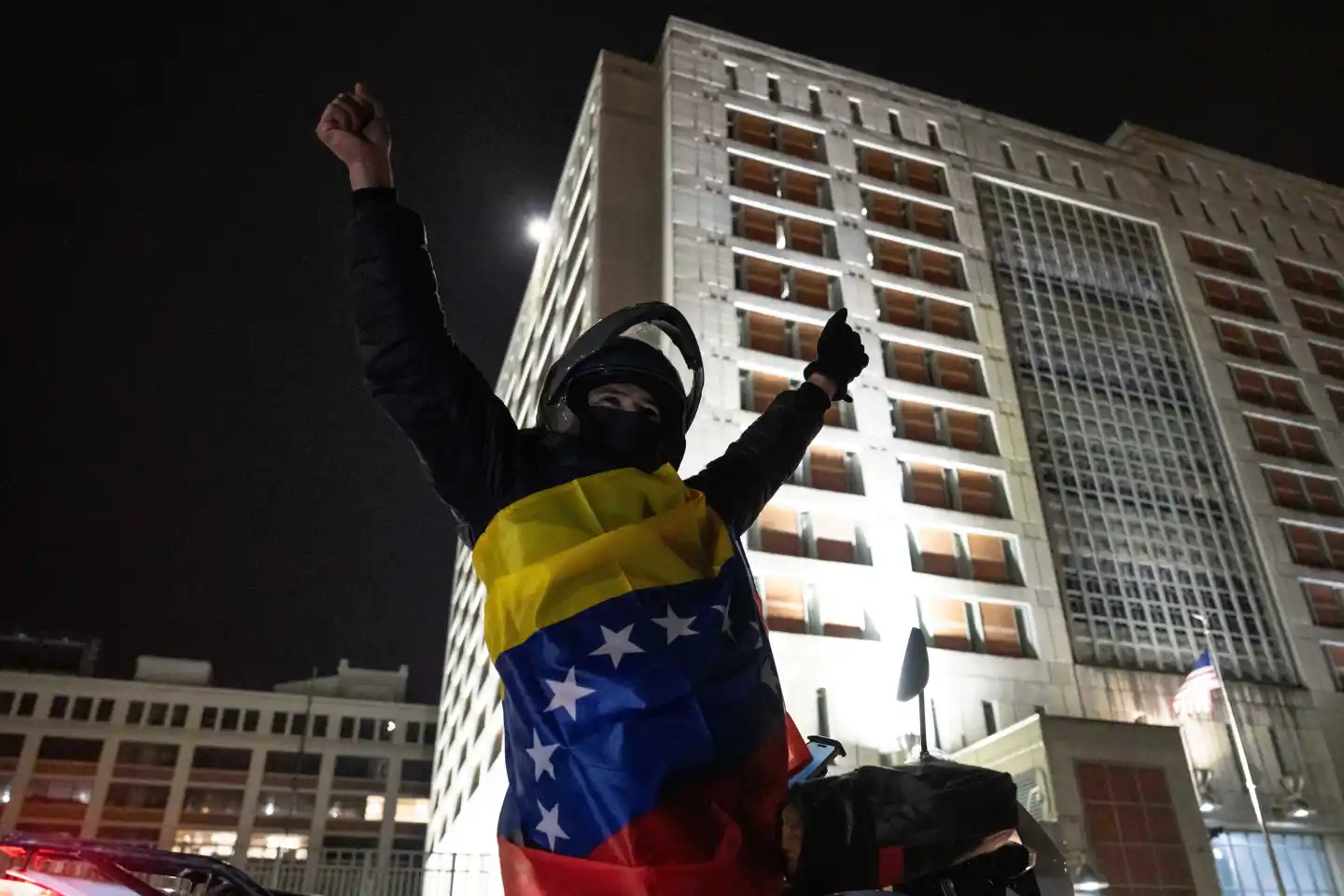
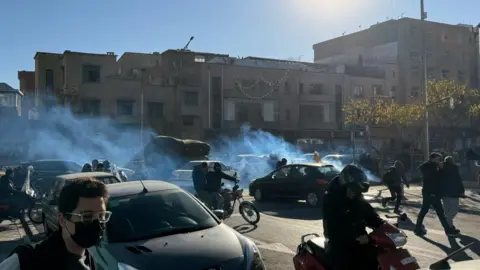
Supporters of Maduro's government have also been rallying in the streets of Caracas, demanding the US release their leader. Caracas Mayor Carmen Meléndez, a firm government loyalist, joined in the rally to protest against what she called Maduro's 'kidnapping'.
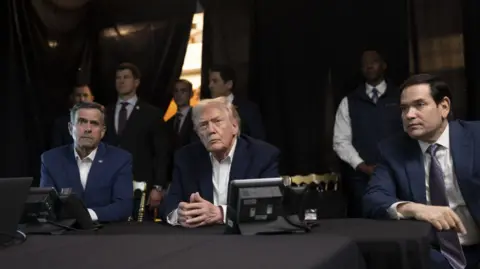
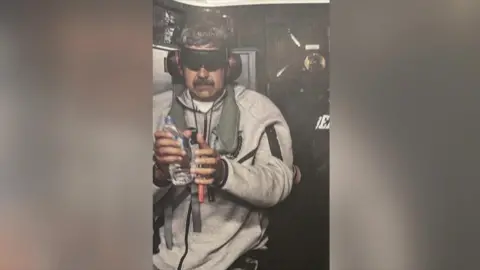
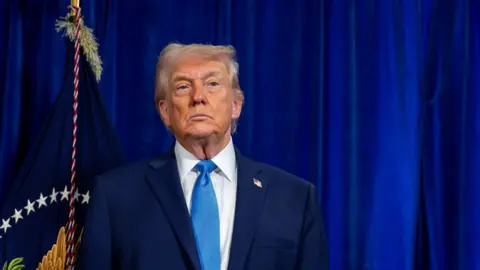
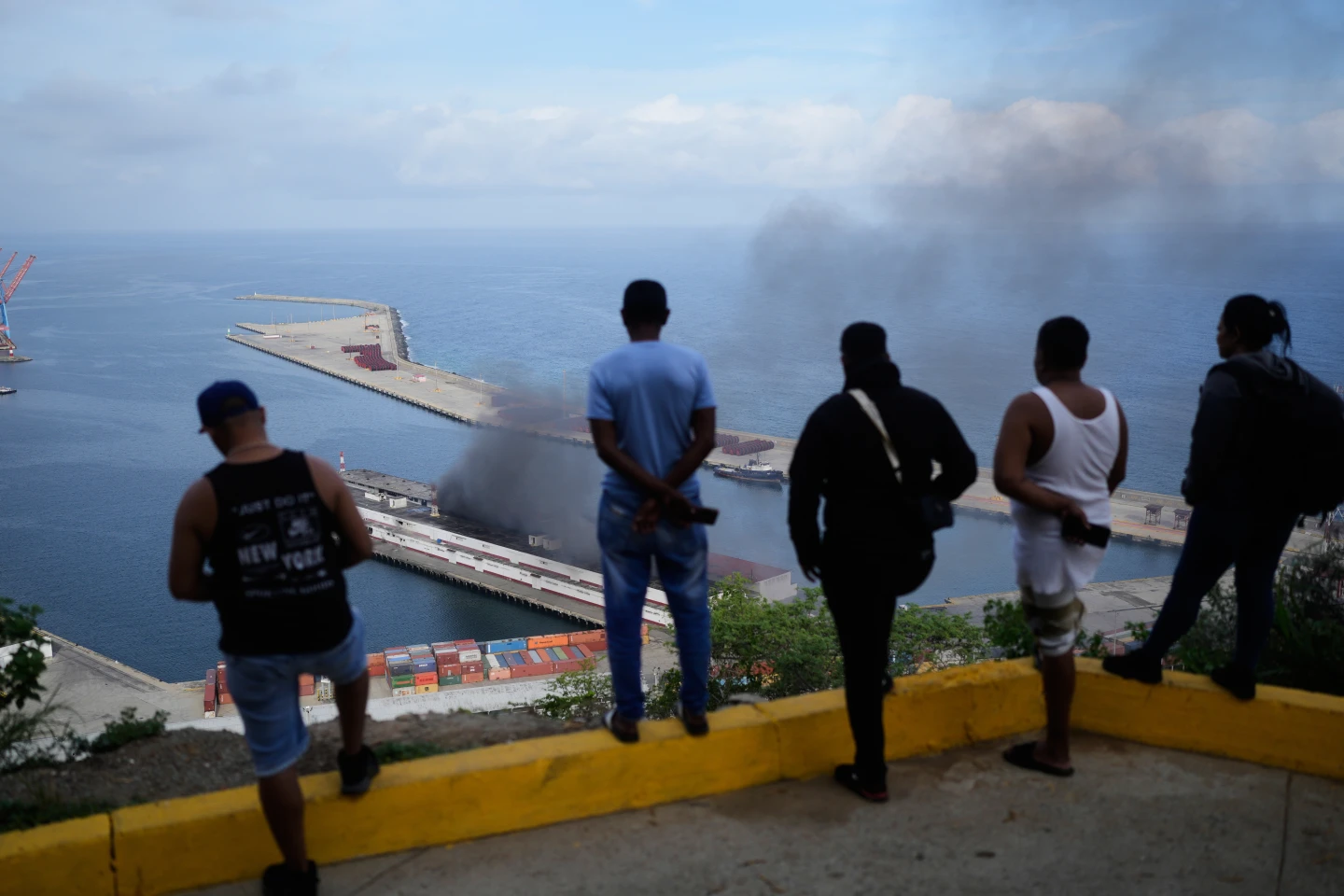
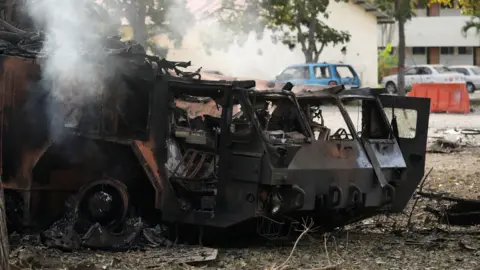
Early Saturday, US forces under President Donald Trump carried out a series of targeted attacks in Venezuela's capital, ultimately taking the country's leader into US custody. The move marks a major escalation after months of tension between the two countries, including dozens of fatal strikes by the US on alleged drug smuggling boats.
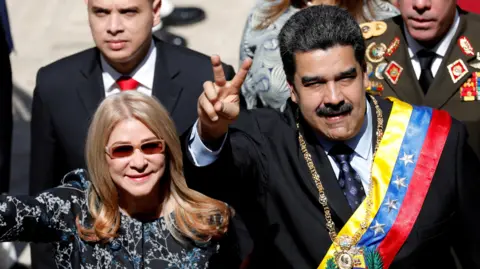
The US accuses Maduro of running a 'narco-terrorist' regime. He is widely seen by opponents within his country as well as by foreign governments as having illegitimately won Venezuela's 2024 election.
Maduro - who leads the United Socialist Party and has been in power since 2013 - has frequently been accused of repressing opposition groups and silencing dissent in Venezuela, at times with the use of violence.
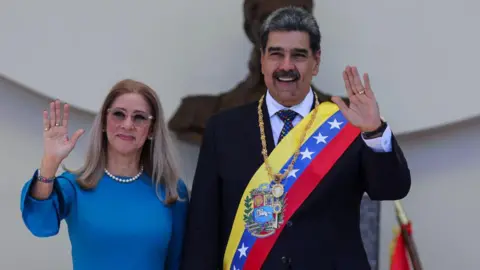
As Maduro and his wife are extradited to New York City to face drug trafficking and weapons charges, the future of Venezuela remains unclear. Trump has said the US will run the country - and manage its oil reserves - until a permanent replacement for Maduro can be established.
But even for those who are grateful to see Maduro gone, there's still a lot of fear and uncertainty, several Venezuelans told the BBC. Dina isn't putting much faith in Trump. 'He says something now and tomorrow he changes his mind,' Dina said of Trump. 'I mean, I'm not used to taking his words seriously.'
The danger of speaking out against Maduro is still very real within Venezuela, as the National Assembly - which is dominated by Maduro loyalists - passed a law a few weeks ago declaring anyone who expresses support for US naval blockades a 'traitor'. Jorge, another Venezuelan who lives near Caracas, told the BBC that while he's grateful to be 'well-supported by Trump and the entire United States', he fears the coming days will not be easy. 'Now that they are taking this man away, what's going to happen?' Jorge told the BBC. 'It doesn't guarantee us anything. So there is a bit of uncertainty. We don't know what the coming days will bring.'
Sandra, who lives in the Venezuelan city of Punto Fijo, echoed Jorge and Dina's relief at Maduro's ousting. But, she too is skeptical about the future and what it means for Venezuelans in exile, as close to eight million Venezuelans have left since Maduro came to power. 'This is only the beginning; we know there is still a long road ahead,' Sandra added. 'No country had previously heard the cry of Venezuelans in the face of this tragedy'.
Supporters of Maduro's government have also been rallying in the streets of Caracas, demanding the US release their leader. Caracas Mayor Carmen Meléndez, a firm government loyalist, joined in the rally to protest against what she called Maduro's 'kidnapping'.
Early Saturday, US forces under President Donald Trump carried out a series of targeted attacks in Venezuela's capital, ultimately taking the country's leader into US custody. The move marks a major escalation after months of tension between the two countries, including dozens of fatal strikes by the US on alleged drug smuggling boats.
The US accuses Maduro of running a 'narco-terrorist' regime. He is widely seen by opponents within his country as well as by foreign governments as having illegitimately won Venezuela's 2024 election.
Maduro - who leads the United Socialist Party and has been in power since 2013 - has frequently been accused of repressing opposition groups and silencing dissent in Venezuela, at times with the use of violence.
As Maduro and his wife are extradited to New York City to face drug trafficking and weapons charges, the future of Venezuela remains unclear. Trump has said the US will run the country - and manage its oil reserves - until a permanent replacement for Maduro can be established.
But even for those who are grateful to see Maduro gone, there's still a lot of fear and uncertainty, several Venezuelans told the BBC. Dina isn't putting much faith in Trump. 'He says something now and tomorrow he changes his mind,' Dina said of Trump. 'I mean, I'm not used to taking his words seriously.'
The danger of speaking out against Maduro is still very real within Venezuela, as the National Assembly - which is dominated by Maduro loyalists - passed a law a few weeks ago declaring anyone who expresses support for US naval blockades a 'traitor'. Jorge, another Venezuelan who lives near Caracas, told the BBC that while he's grateful to be 'well-supported by Trump and the entire United States', he fears the coming days will not be easy. 'Now that they are taking this man away, what's going to happen?' Jorge told the BBC. 'It doesn't guarantee us anything. So there is a bit of uncertainty. We don't know what the coming days will bring.'
Sandra, who lives in the Venezuelan city of Punto Fijo, echoed Jorge and Dina's relief at Maduro's ousting. But, she too is skeptical about the future and what it means for Venezuelans in exile, as close to eight million Venezuelans have left since Maduro came to power. 'This is only the beginning; we know there is still a long road ahead,' Sandra added. 'No country had previously heard the cry of Venezuelans in the face of this tragedy'.