For months, US spies monitored Venezuelan President Nicolás Maduro's every move, including details of his daily life. In early December, the US finalized a meticulously planned military intervention known as Operation Absolute Resolve which aimed to capture Maduro, reminiscent of Cold War operations.
The situation escalated with President Trump approving the mission, which prioritized surprise and precision over time. With thousands of troops deployed and numerous aircraft on standby, the operation’s launch awaited optimal conditions.
The decisive order came late Friday, leading to an extraordinary two-hour raid involving land, air, and sea, which shocked many in Washington and abroad. The operation was unmatched in scale and precision, leading to immediate regional backlash.
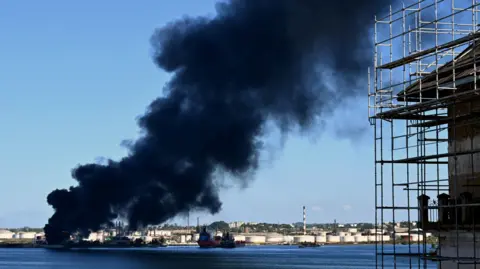
On the night of the operation, significant military resources were mobilized. Explosions were reported throughout Caracas as US forces engaged in simultaneous airstrikes targeting critical military sites. Eyewitness accounts and social media revealed the chaos that ensued, with the city illuminated only by the aftermath of detonations.
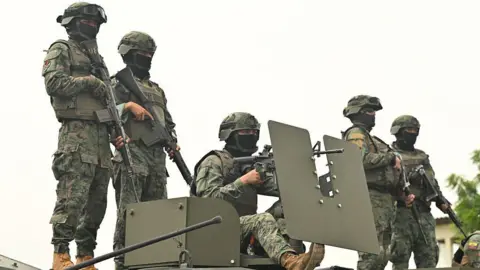
US troops, including elite Delta Force units, confronted strong resistance but managed to breach Maduro's fortified safe house. The mission led to the apprehension of Maduro and his wife, who were swiftly taken into custody as Trump boasted of their capture.
While the operation was praised by US officials, it has drawn ire and concern internationally, with fears of setting dangerous precedents in international relations. The events surrounding this mission thrust the future of US-Venezuela dynamics into uncertainty.