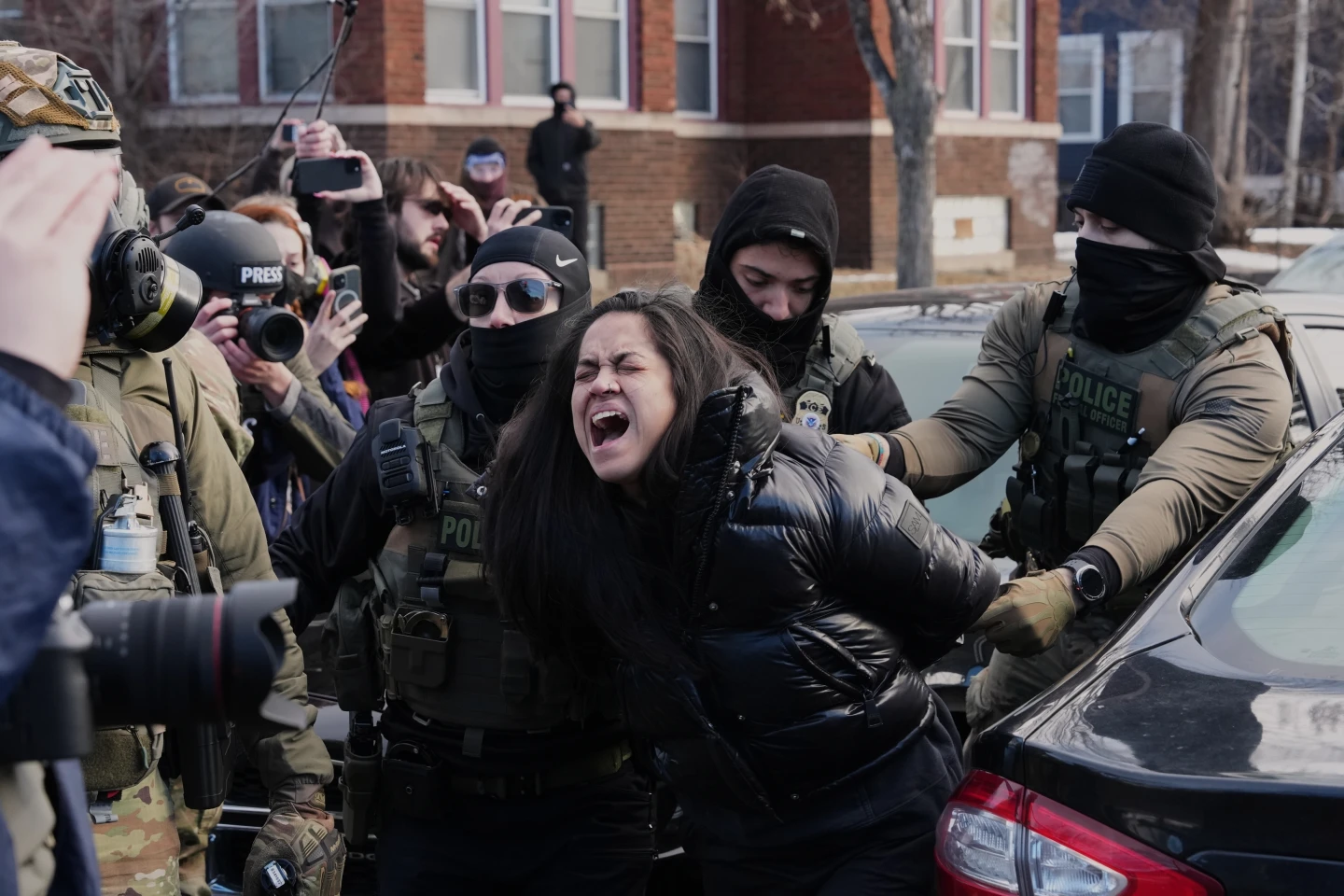
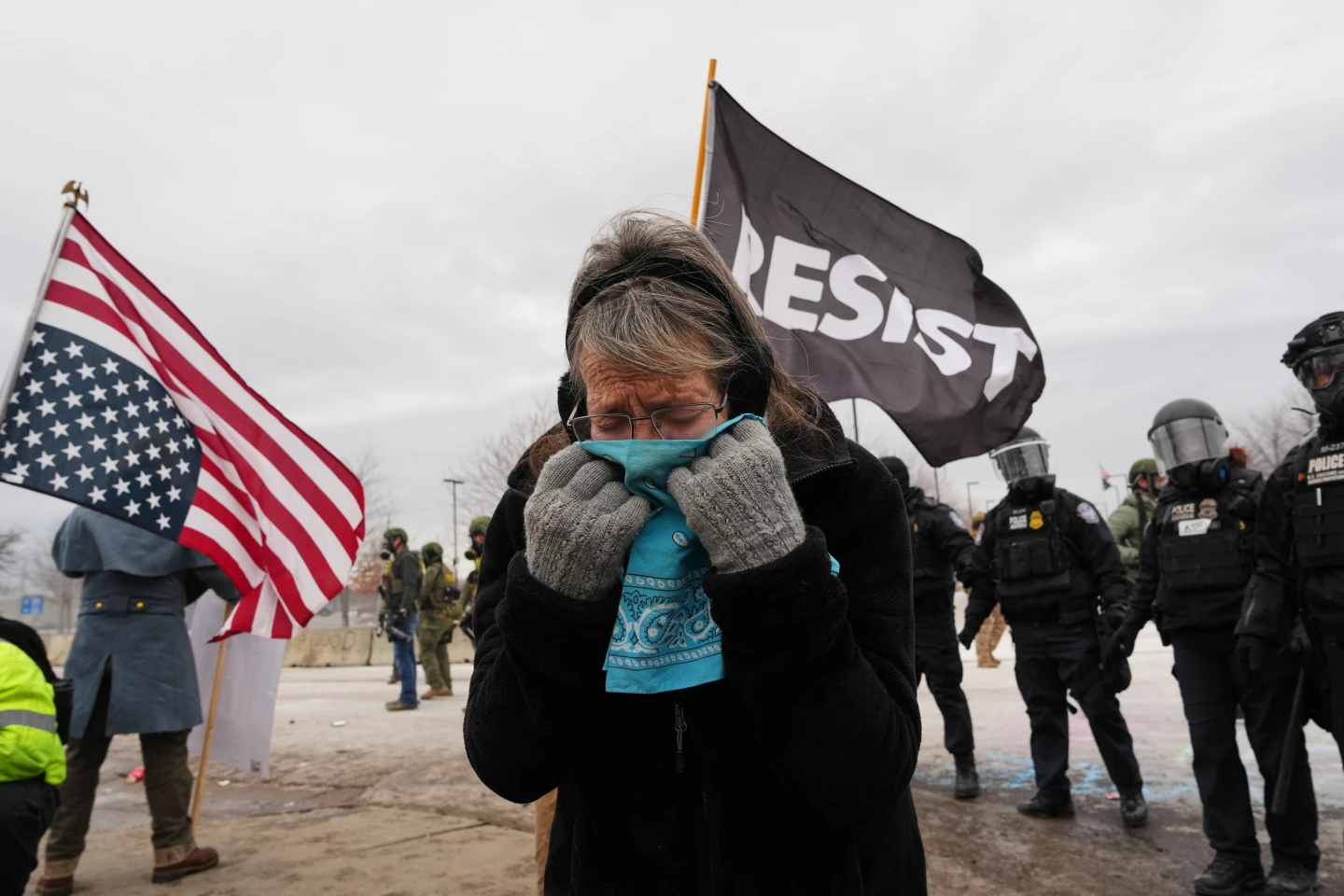
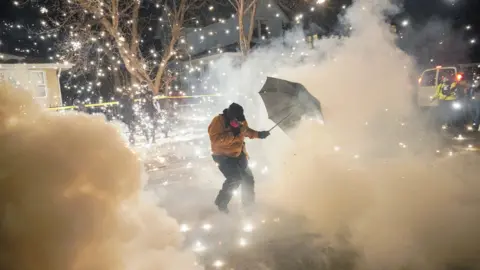
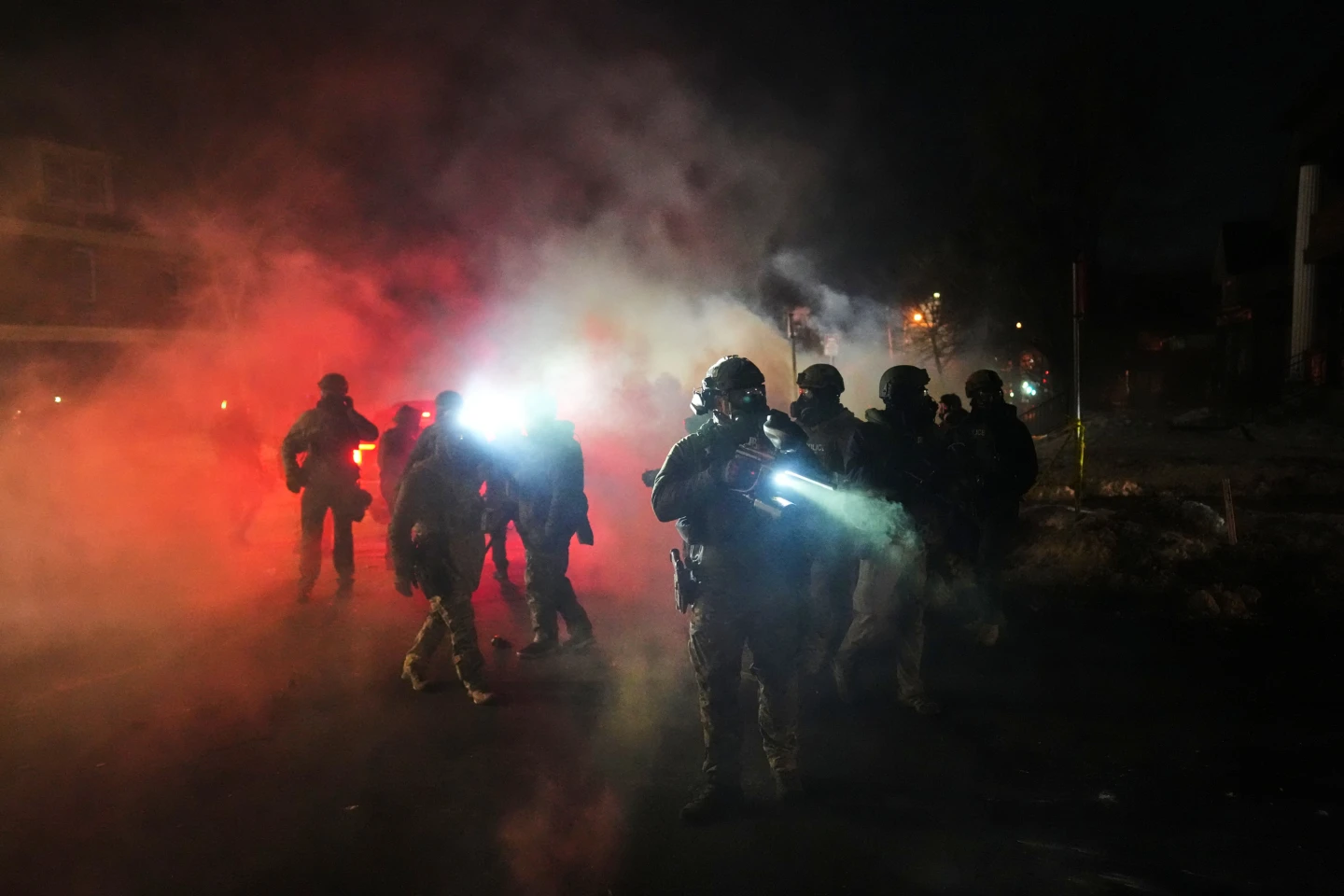
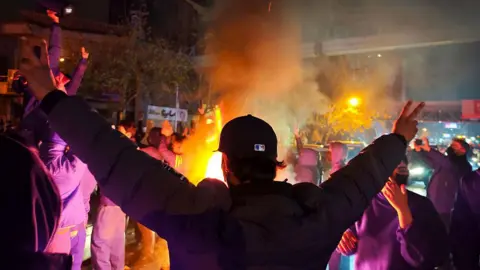
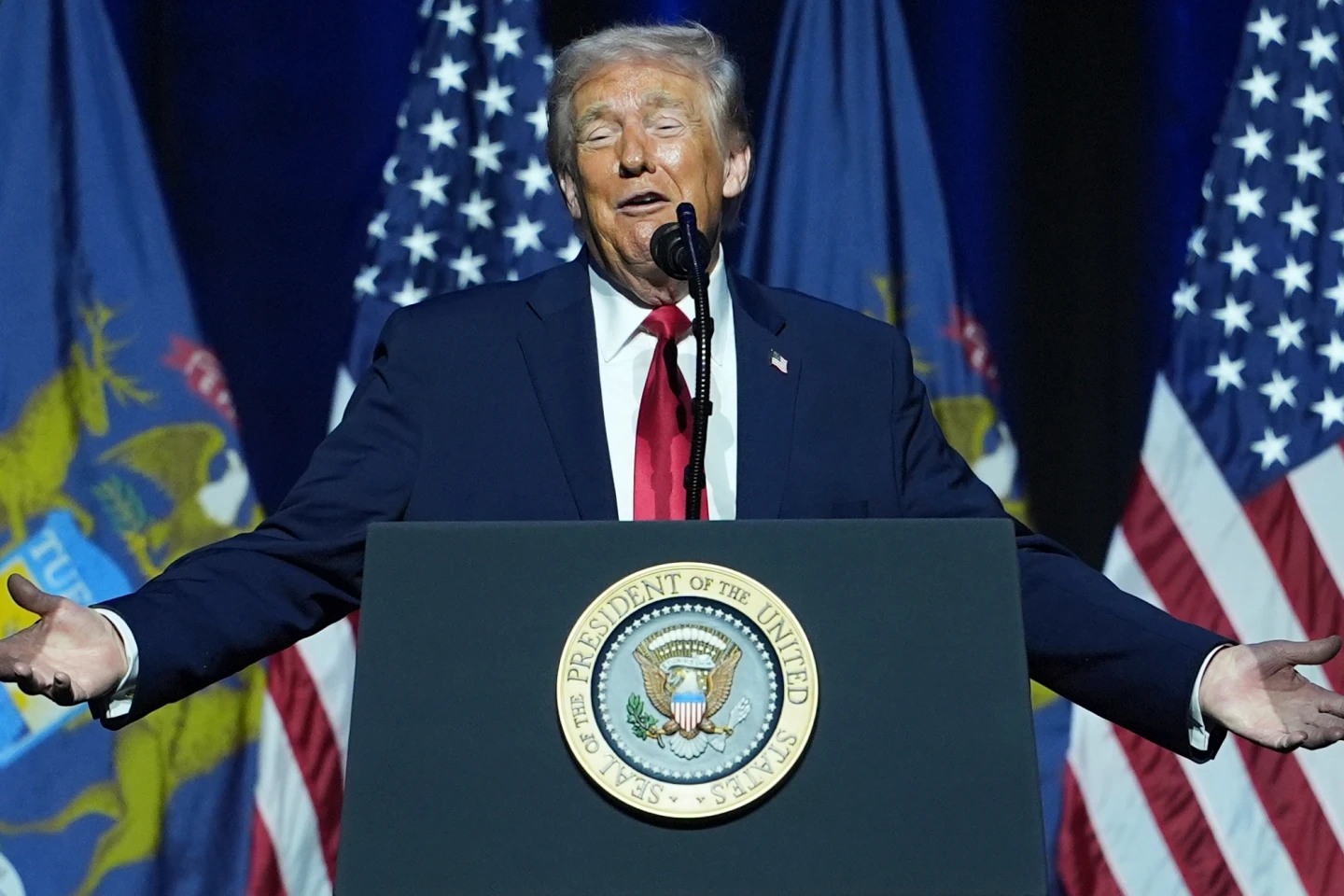
As tensions rise in Minnesota over the actions of federal officers, President Donald Trump has threatened to invoke the Insurrection Act to send military forces into the state. However, legal experts warn that this move could be a significant misuse of presidential power.
The Insurrection Act, meant to allow for the domestic use of military forces during extreme unrest, has seen historical usage primarily in response to genuine needs for intervention, such as the enforcement of civil rights. Yet those conditions appear not to apply in this case.
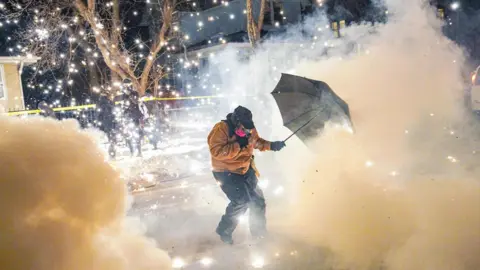
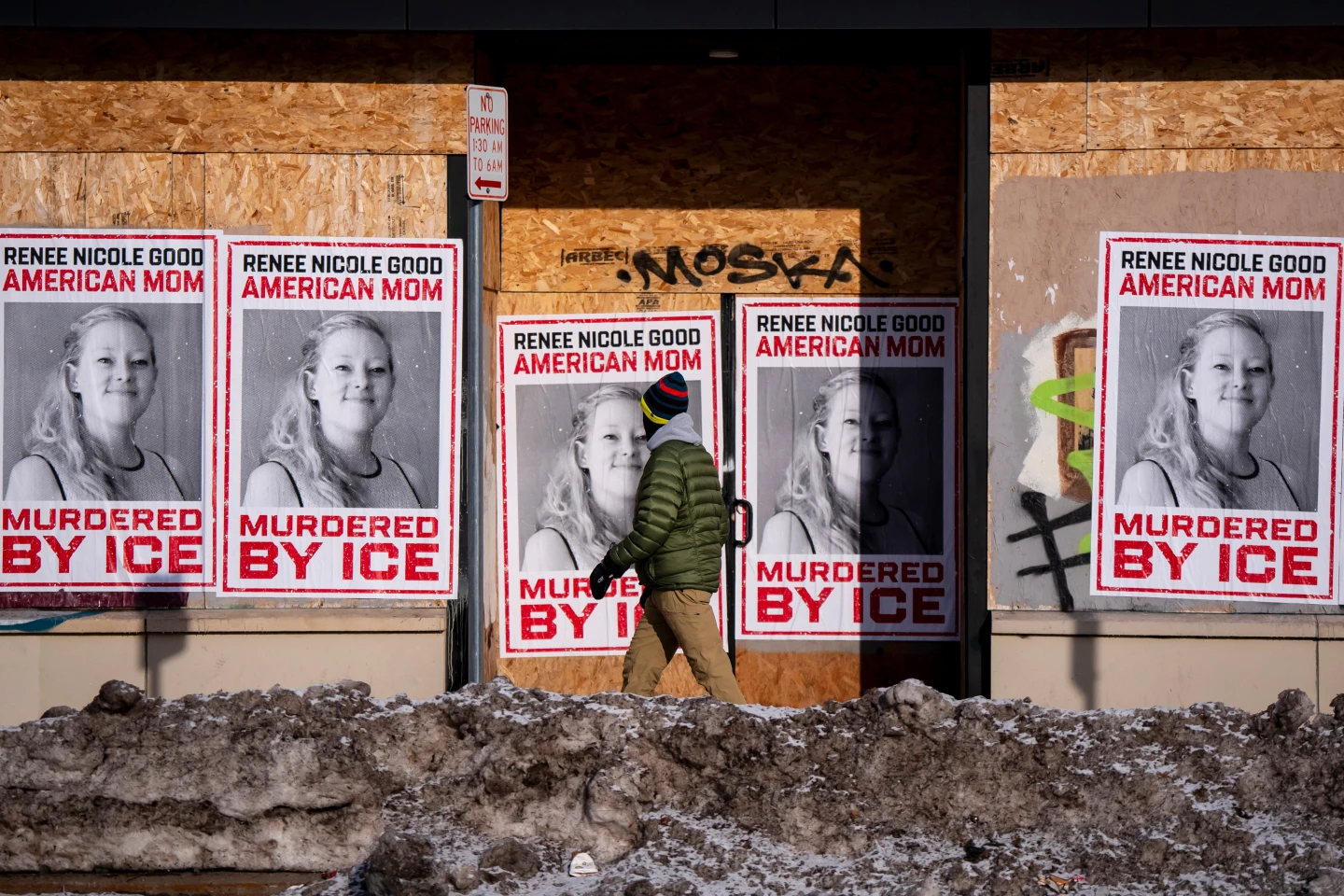
Historically, the Insurrection Act was designed to protect individual rights and to act upon requests from local authorities. Experts note that in Minneapolis, federal forces may be seen as instigators rather than responders to violence, as they have been involved in incidents escalating the unrest.
Joseph Nunn from the Brennan Center asserts, This would be a flagrant abuse of the Insurrection Act in a way that we’ve never seen. None of the criteria have been met. Syracuse University professor William Banks echoes these concerns, describing the situation in Minnesota as unprecedented given that the violence stems from the federal officers Trump has sent.
The Insurrection Act was enacted as a means to protect the fledgling republic and has evolved throughout U.S. history. From the disturbances of the early republic to the civil rights movements of the 20th century, its application has been rooted in the necessity of stabilizing chaotic situations on the ground.
Trump argues that the protests are impeding the enforcement of U.S. immigration laws. However, the specific unrest he refers to is arguably exacerbated by the federal tactics themselves, further complicating the legitimacy of his justification for invoking military intervention. The courts, historically hesitant to challenge presidential authority on military deployments, could find themselves in a legal quandary if Trump's plans progress.
Given the complexities surrounding the Insurrection Act and the specific circumstances in Minnesota, this potential deployment could redefine the thresholds of military involvement in civilian protests in America.