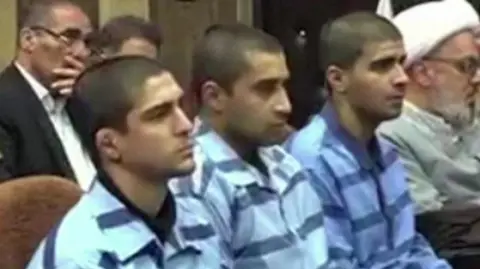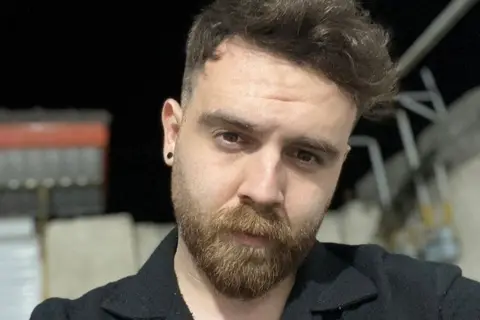
Iran's judiciary has denied reports that it has scheduled the execution of Erfan Soltani, a 26-year-old man arrested during protests in the country.
On January 13, international human rights group Hengaw stated that Soltani faced execution just days after being taken into custody, prompting widespread concerns. The reports claimed that his execution had been 'postponed,' yet ongoing fears for his safety persisted.
In a robust response to these allegations, Iranian officials, including the judiciary, asserted that Soltani's charges, primarily related to 'colluding against national security' and 'propaganda activities', do not merit a death penalty. They labeled claims of his impending execution as erroneous and an act of misinformation.
The alarming news about Soltani emerged amidst a backdrop of volatile protests sparked by socio-economic issues in Iran, resulting in the detention of thousands. His cousin voiced her concerns over the lack of communication from him due to an internet blackout, revealing that he has not yet had access to a defense lawyer.
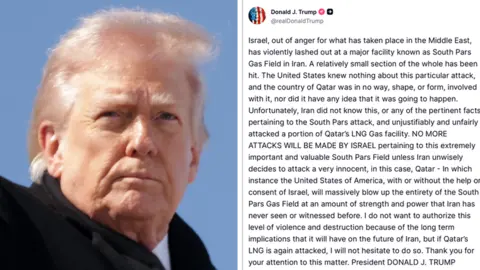
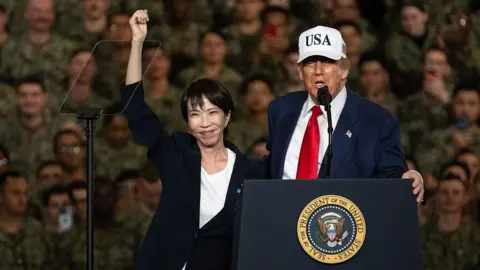
US President Donald Trump also commented on the situation, expressing relief at the reports regarding Soltani's situation and warning Iran against executing protesters. These developments come at a time when tensions between the US and Iran are high, especially regarding human rights abuses during crowd control measures by Iranian authorities.
Soltani's case exemplifies the broader crisis facing numerous protesters in Iran, with rights groups estimating thousands detained amid ongoing instability and anti-establishment sentiments, including calls against the Supreme Leader.
The dual narratives from Iranian officials and human rights organizations underscore the significant challenges of verifying information in the current climate of protest, repression, and international scrutiny.