Another one bites the dust.
The past few weeks had been billed as a retribution tour for Donald Trump as he settles old scores with his critics within the Republican party.
The evidence overwhelms that the Republican party is now Trump's party. Nothing—not an unpopular war in Iran, not sagging poll numbers among the general public, not rising consumer prices, not concerns about billion-dollar White House ballrooms—has changed that.
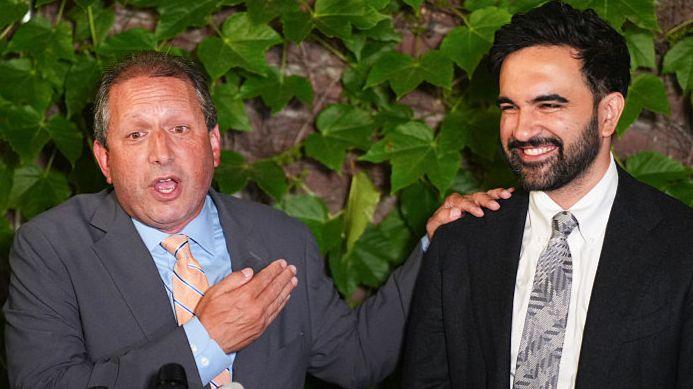
Thomas Massie, the independent-minded congressman from Kentucky, was comfortably defeated on Tuesday in the Republican primary race against Trump-backed candidate Ed Gallrein, who is heading toward a 55% share of the vote.
Massie, a constant thorn in Trump's side, is just the latest political casualty in a campaign against those who oppose the former president. He voted against Trump's budget package, curtailing military operations in Venezuela and Iran, and took the lead in efforts to release Justice Department files related to Jeffrey Epstein.
This set him at odds with Trump's agenda, landing him on the former president's enemies list, leading to a $20 million effort to oust him from Congress.
Political analyst Trey Grayson noted, Trump once again proved his power in the Republican party, emphasizing that Massie's conflicts with local politics contributed to his downfall.
Gallrein, Massie's Trump-endorsed opponent, seldom campaigned actively, relying instead on the president's endorsement and resulting financial support. It proved successful, as he achieved a decisive victory.
Massie joins a growing list of Republicans facing defeat at the hands of Trump-endorsed rivals. His recent loss brings the number of casualties to double figures, including Senator Bill Cassidy from Louisiana.
The implications of Trump's endorsements are significant. While solidifying his power, questions arise regarding the broader impact on the party's appeal in future elections, particularly among independent voters dissatisfied with Trump's leadership.
Looking ahead, other incumbents, like Texas Senator John Cornyn, are also under threat from Trump's influence. The former president's willingness to challenge even established Republicans may reshape the party as he navigates upcoming elections amidst a landscape of decreasing popularity.
Ultimately, as Trump continues to remove critics from within the party, the residual impacts of these political battles may influence congressional dynamics well into the future, leaving defeated politicians to navigate their roles in the next legislative sessions.