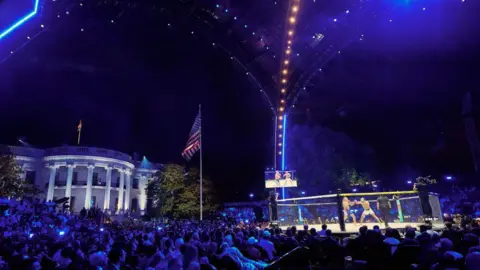
UFC Octagon on the White House South Lawn
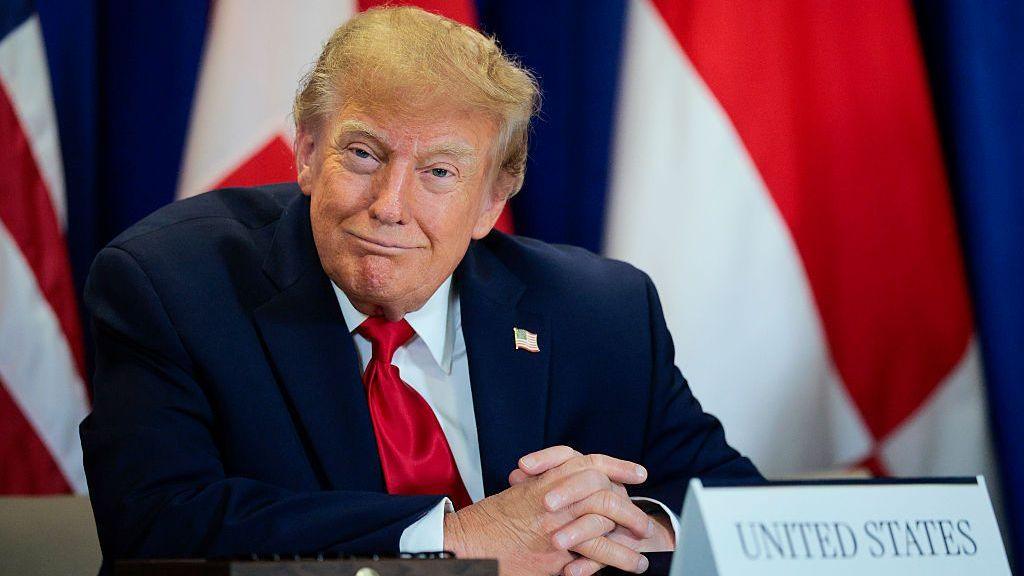
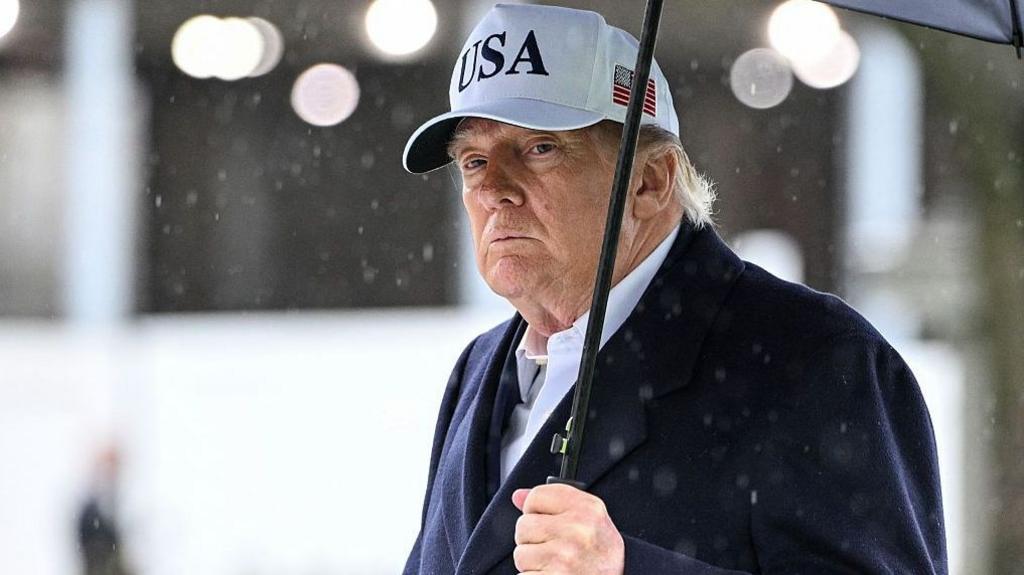
On Sunday, July 4th, former President Donald Trump celebrated his 80th birthday and America’s 250th anniversary by converting the White House South Lawn into a temporary UFC octagon. The event, screened exclusively on Paramount+, featured fourteen fights, climaxing with lightweight champion‑in‑making Justin Gaethje defeating Ilia Topuria.
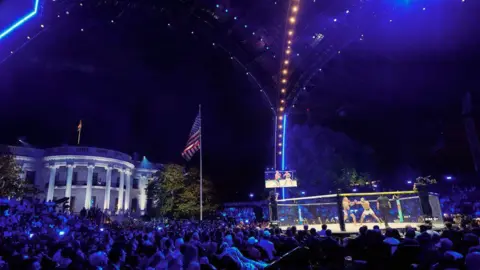
The spectacle was staged under a massive 92‑ft (28‑m) metal structure dubbed the "Claw," which the president compared to the Eiffel Tower. Trump was seated beside UFC chief Dana White, with administration officials, his sons, FBI Director Kash Patel and other dignitaries in attendance. Over 4,300 invited guests watched the fights on the lawn, while an estimated 85,000 supporters gathered in the nearby fan‑zone to view the action on large screens.
The night began with Trump walking the South Lawn to the octagon, followed by a brief pause as thunderstorms threatened the venue, causing an hour’s delay. The event also drew legal scrutiny; a lawsuit filed two days prior by a Vietnam veteran and a civic activist claimed the fight was a “deeply corrupt” use of presidential space. A judge denied the emergency injunction and the case was dismissed, a decision praised by the White House as "frivolous".
Public sentiment was divided. A Reuters/Ipsos poll released on Friday showed only 16% of Americans believed it appropriate to hold the UFC fight at the White House, with 46% finding it inappropriate. Republicans were notably less supportive, with just one‑third in favor. Nevertheless, the UFC’s involvement was cited by Secretary of State Marco Rubio as an example of "soft diplomatic power," hinting at future diplomatic uses of the sport.
The fight was part of a larger 250th‑anniversary showcase that also included an IndyCar race around the National Mall and a "Great American State Fair" in July. While the event was hailed by Trump as one of the "greatest shows on Earth," critics question whether the spectacle deepened the blurring of political boundaries and sport aesthetics.
Weather, Costs and Cultural Impact
The afternoon heat and humidity peaked at around 91 °F (33 °C). Forecasts warned of scattered thunderstorms, lightning and winds up to 50 mph, prompting a brief pause in news coverage. The UFC, which paid roughly $60 million for the event—including $700,000 for grass repairs—has since broadened its corporate partnerships, securing a $7.7 bn deal with Netflix the previous year.
Critics remain wary of the event’s long‑term implications. The backlash includes concerns about appropriating a site of national heritage for entertainment, potential safety risks and the ethical debate over mixing violent sport with a venue symbolic of democratic values.
Despite the controversy, the fight underscores the UFC’s growing mainstream appeal and its strategic use in public diplomacy—an intersection that may shape future events in both sporting arenas and national symbolism.