WASHINGTON (AP) — The Trump administration allocated at least $40 million for the deportation of nearly 300 migrants to various countries, a strategy that has prompted criticism from Senate Democrats. A recent report from the Democratic staff of the Senate Foreign Relations Committee claims that this so-called 'third-country deportation' policy, which gained traction over the past year, is both costly and poorly monitored.
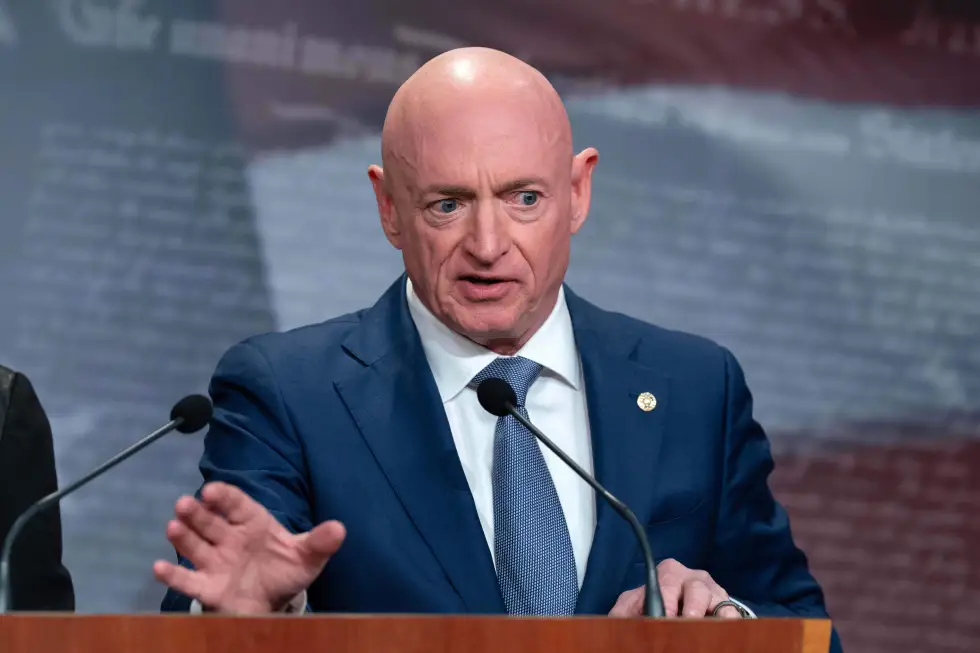
Senator Jeanne Shaheen, a leading voice in the report, referred to these practices as 'wasteful' and called for a closer examination of policies operating with limited oversight.
The State Department defended the deportation policy as a tool in the broader effort to restrict illegal immigration, with Secretary of State Marco Rubio justifying the actions by stating that those deported included gang members. During a recent Senate hearing, he emphasized the need to remove dangerous individuals from the country.
The report details payments made to five countries, including Equatorial Guinea and Rwanda, designed to facilitate the deportation process. Among these, El Salvador received the highest number of deported individuals, totaling around 250 Venezuelans, while other countries had significantly fewer arrivals, with numbers dropping as low as 29 to Equatorial Guinea, and none to Palau.
Overall, a total of 47 such agreements are under consideration, with 15 already formalized. Negotiations are also ongoing for additional agreements to allow the processing of asylum seekers outside the U.S., aiming to curb the increase in illegal immigration.
Critics, including immigration advocates, have branded the policy reckless, stating it might lead to deportees being stranded in nations that have a track record of human rights abuses. Documents reviewed by the Associated Press also suggested that expenses could escalate further if deportees required additional flights back to their home countries.
Senator Shaheen expressed concerns regarding some of the payments made, notably a $7.5 million cadre sent to Equatorial Guinea amid attempts to strengthen relations with the controversial regime there. She questioned what the true costs and benefits were for the nations involved in accepting deportees.
With calls for increased scrutiny and transparency over the third-country deportation policy, the debate continues to unfold around its efficacy, ethics, and implications for human rights.