WASHINGTON (AP) — The Trump administration is preparing to revoke a significant scientific finding that has been the cornerstone of U.S. regulatory actions against greenhouse gas emissions, challenging decades of climate change efforts, according to a White House source.
The Environmental Protection Agency (EPA) plans to finalize a rule that rescinds the 2009 endangerment finding, which classified carbon dioxide and other greenhouse gases as harmful to public health and welfare.
This decision is expected to be announced by President Trump within the week, aiming to take bold deregulatory steps to boost U.S. energy production and reduce costs. White House press secretary Karoline Leavitt stated, “This week at the White House, President Trump will take the most significant deregulatory actions in history to further unleash American energy dominance.”
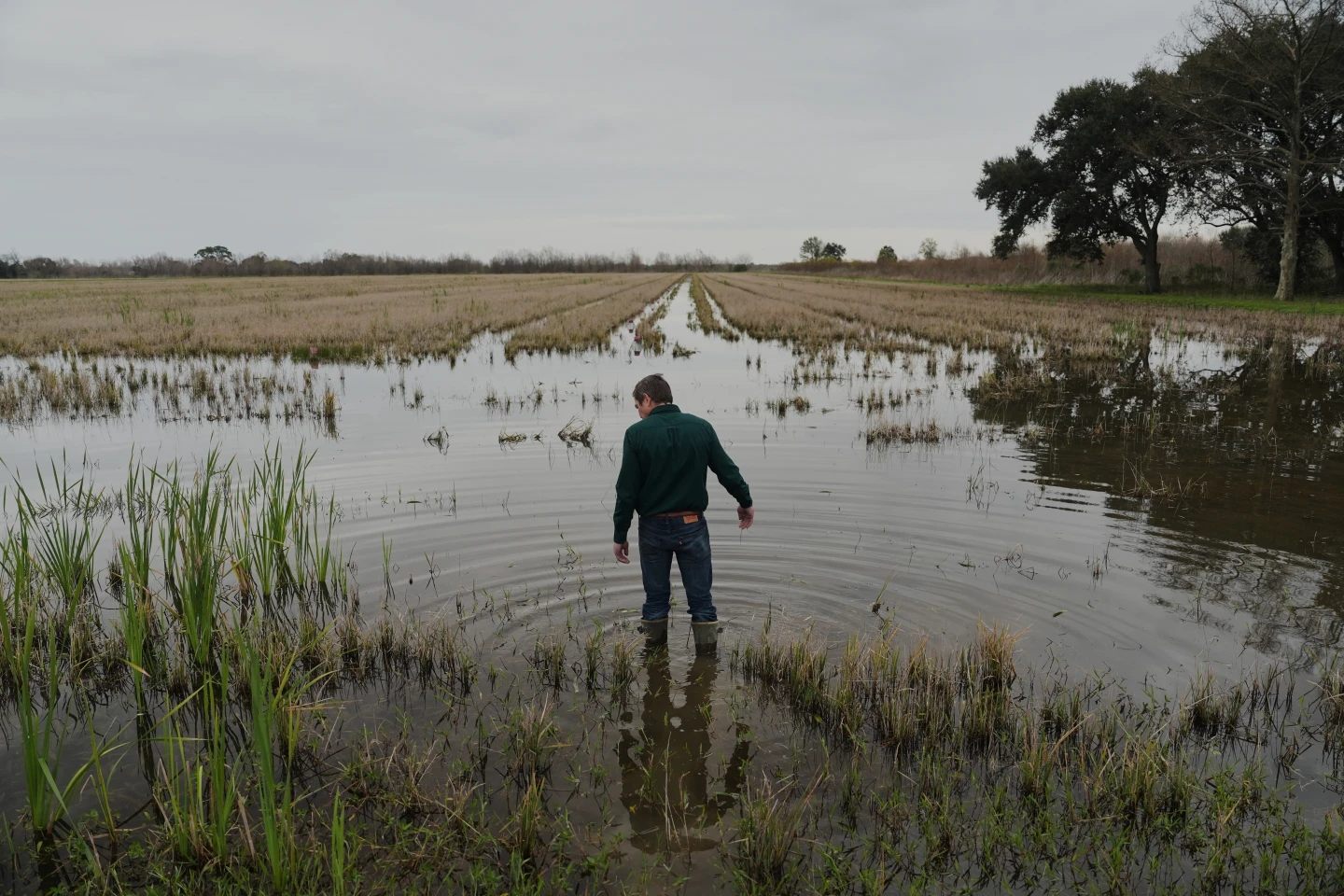
The endangerment finding serves as the legal foundation for a multitude of climate regulations under the Clean Air Act, including auto emissions standards. It is crucial for mitigating the worsening impacts of climate change, such as deadly floods, extreme heat, and wildfires.
Legal disputes are anticipated over this potential repeal, as environmental advocates deem it one of the largest assaults on federal climate policy in U.S. history.
An EPA spokesperson advised that while an official timeline for revoking the finding has not been disclosed, the agency is finalizing a new rule that will fundamentally alter the legal framework for addressing climate-related issues.
Brigit Hirsch of the EPA highlighted that the previous rule was “one of the most damaging decisions in modern history,” indicating the agency’s intention to implement a momentous policy change for the American populace.
Critics of the repeal, including environmental lawyers and scientists, argue that this decision will exacerbate public health issues by increasing air pollution and decreasing the regulations that protect citizens from harmful emissions.
Peter Zalzal, an attorney with the Environmental Defense Fund, articulated concern that this shift would lead to higher health insurance costs and numerous premature deaths, as well as contributing to rampant climate pollution.
As the U.S. grapples with the undeniable impacts of climate change, rolling back such findings represents a critical divergence in environmental stewardship and public health policy.