Local leaders are expressing growing alarm over the shifting dynamics of federal and local governance, as the Biden administration's actions have put pressure on mayors and governors across the country. Denver Mayor Mike Johnston, for instance, has expanded his emergency preparedness protocols to account for potential challenges posed by the federal government itself, especially after experiences like the deployment of National Guard troops by President Trump against the wishes of local officials.
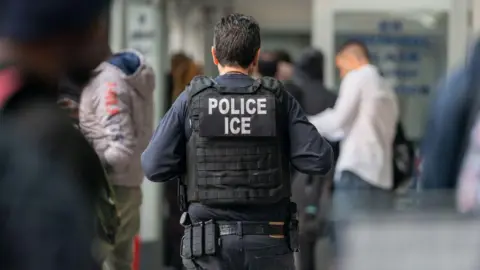
Such federal interventions have led to a paradigm shift in how local leaders perceive their autonomy and accountability, particularly in light of unsettling incidents, such as the deaths of two U.S. citizens in Minneapolis, purportedly involving federal agents. Johnston remarked, We used to prepare for natural disasters. Now we prepare for our own federal government, underscoring the gravity of the changing landscape.
The rising hostility towards federal authority is evident across both sides of the political aisle. Republican Fresno Mayor Jerry Dyer expressed, This is unprecedented,” highlighting the lack of cooperation historically expected between federal and local law enforcement operations. In the face of increasing aggression, officials are keenly aware of the importance of local autonomy compared to federal intervention.
Under Trump, many mayors feel a jarring divergence from the long-standing Republican stance advocating for local governance, sparking a bipartisan call for greater respect for state rights. Kentucky Gov. Andy Beshear criticized repeated violations of the constitutional mandate concerning the treatment of states by the administration.
As local leaders navigate this complex web of tensions, they fear the ramifications of heightened federal oversight will thwart longstanding safety and operational protocols, pushing some communities to adopt a defensive posture. Minneapolis Mayor Jacob Frey voiced his frustrations, comparing the federal presence in his city to an invasion and stressing the need for local officials to reclaim control over policies tied to public welfare.
In this fractious landscape, calls for bipartisan dialogue and cooperation grow louder. With political leaders from varying backgrounds increasingly unified against excessive federal overreach, the emphasis on localized governance stands firm as a resilient pillar of democracy.