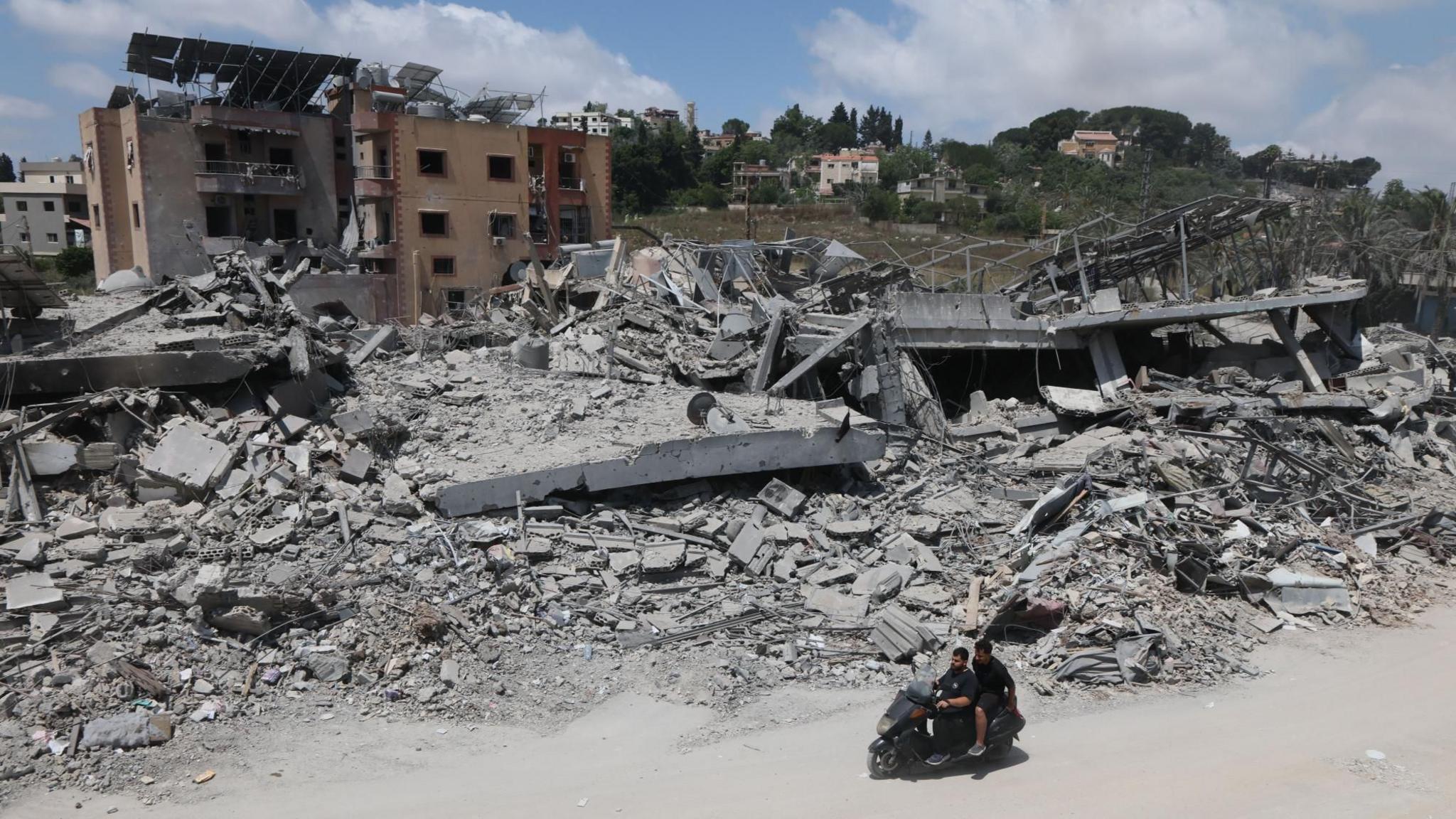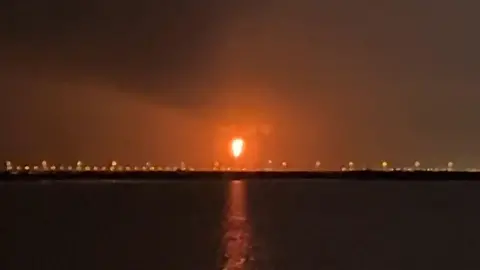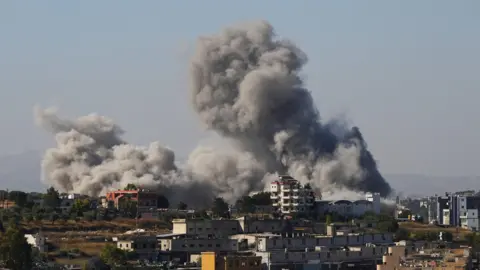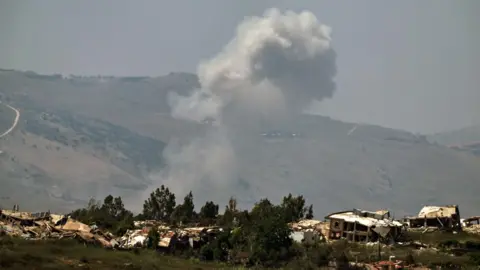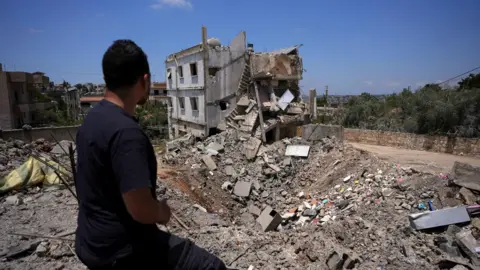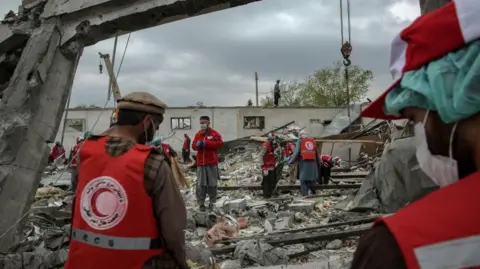
Rescue teams are continuing to pull bodies from the smoking rubble of a drug rehabilitation centre in the Afghan capital, Kabul, which was hit on Monday night in a devastating Pakistani air strike. The attack on the Omid Addiction Treatment Hospital, which happened at about 21:00 local time (16:30 GMT), is the deadliest in recent violence between Pakistan and Afghanistan, occurring as residents broke their daily fast for the Muslim holy month of Ramadan. The Taliban government claims the death toll has risen to about 400, though this figure remains unverified, as many were also left injured.
Mohammad Shafee, a patient in his 20s, survived the attack. I was in the kitchen helping to serve dinner when I heard a loud bang and ran for safety, he said. When I returned later, I found most of our colleagues and people in the dining room hit. Only five of us survived.
Maiwand Hoshmand, a doctor at the facility, shared that patients had just finished dinner and rushed to congregational prayers when the strike occurred. Eyewitness descriptions are harrowing; one individual lamented, My friends were burning in the fire, and we could not save them all.
The centre, a former military training camp repurposed into a rehabilitation facility, had struggled with overcrowding in recent years due to the Taliban government's efforts to manage drug addiction. Officials assert that they previously held as many as 5,000 patients there.
Following the strike, significant concerns were raised regarding accountability and the safety of civilian-targeted facilities, with the Pakistani military asserting the attack aimed at military installations, a claim Afghan authorities have vehemently rejected.
As rescue efforts continue, the local population anxiously awaits news of missing individuals while grappling with the tragic loss incurred during what should have been a peaceful evening.
Mohammad Shafee, a patient in his 20s, survived the attack. I was in the kitchen helping to serve dinner when I heard a loud bang and ran for safety, he said. When I returned later, I found most of our colleagues and people in the dining room hit. Only five of us survived.
Maiwand Hoshmand, a doctor at the facility, shared that patients had just finished dinner and rushed to congregational prayers when the strike occurred. Eyewitness descriptions are harrowing; one individual lamented, My friends were burning in the fire, and we could not save them all.
The centre, a former military training camp repurposed into a rehabilitation facility, had struggled with overcrowding in recent years due to the Taliban government's efforts to manage drug addiction. Officials assert that they previously held as many as 5,000 patients there.
Following the strike, significant concerns were raised regarding accountability and the safety of civilian-targeted facilities, with the Pakistani military asserting the attack aimed at military installations, a claim Afghan authorities have vehemently rejected.
As rescue efforts continue, the local population anxiously awaits news of missing individuals while grappling with the tragic loss incurred during what should have been a peaceful evening.