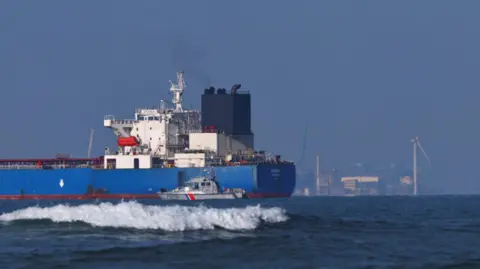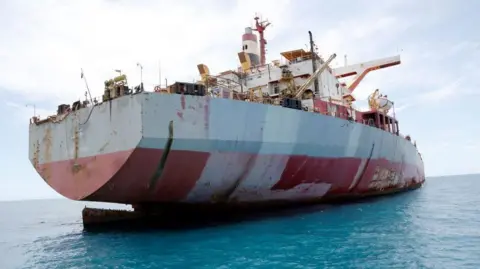
Over the past year, the number of oil tankers and other commercial ships being abandoned worldwide has surged dramatically. The International Transport Workers' Federation (ITF) recorded a spike in such incidents, raising urgent questions about the factors leading to this crisis and the human toll on affected merchant sailors.
One anonymous sailor, Ivan, shared harrowing details of life aboard an abandoned tanker off China's coast. He explained the severe shortages of food and supplies that have led to deteriorating health and morale among the crew, saying, The crew was hungry, the crew was angry, and we tried to survive only day-by-day.
Ivan's vessel holds approximately 750,000 barrels of crude oil valued at around $50 million and was reported abandoned in December after the crew went unpaid for months. The ITF has since stepped in to ensure overdue wages are paid and provided essential supplies.
The ITF's recent statistics are alarming: in 2016, there were only 20 ships reported abandoned, but by 2025, this number had soared to 410, impacting over 6,223 seafarers. Factors such as geopolitical instability, including the fallout from the pandemic and various global conflicts, play a crucial role in this increase, leading to failures in maintaining operational shipping standards.
Contributing to the crisis is the emergence of 'shadow fleets'—aging vessels owned by obscure companies operating with scant regulation. These ships frequently navigate under flags of convenience, aiming to sidestep international maritime rules while helping countries like Russia and Iran in bypassing sanctions. The complex web of ownership often leaves crew members vulnerable to abandonment and uncertainty.
As countries grapple with this pressing issue, the ITF is advocating for clearer international rules to hold shipowners accountable, emphasize the connection between ship registration and ownership, and ensure maritime workers receive the protection they deserve. As Ivan reflects on his experience, he vows to be more diligent in verifying the conditions and reputations of vessels in the future.