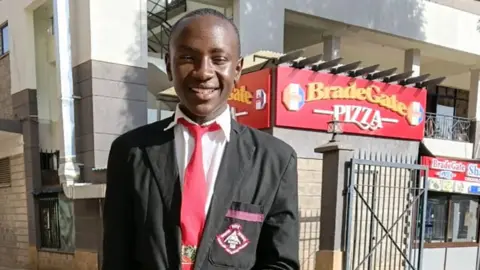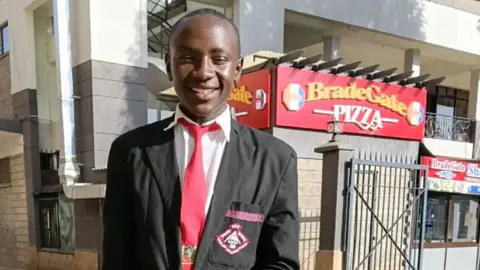
On Tuesday, fourteen‑year‑old Sylvester Muigai Ndung’u from Nanyuki left home to collect his school uniform. He never returned, and two days later, his mother Lucy Kagure discovered his body in a mortuary, where he was listed as an unidentified male.
Witnesses described a head injury: a split open skull and clothes soaked in blood. A local police commander, Daniel Kitavi, said a post‑mortem was pending, while other officers suggested a tear‑gas canister was the cause rather than a bullet.
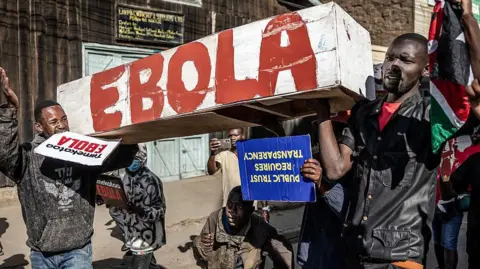
The death occurred amid clashes between police and demonstrators protesting a U.S. plan to build a 50‑bed Ebola quarantine centre at Laikipia Air Base. The US said the facility was intended to house American citizens recovering from the outbreak in the Democratic Republic of Congo, but local opposition grew over potential cross‑border infection risk and a perceived lack of transparency.
The Kenyan High Court halted construction last month, following a petition claiming the centre posed grave public health risks. Despite the ruling, satellite imagery shows work continuing and protesters accuse the police of excessive force, including live ammunition and arbitrary arrests.
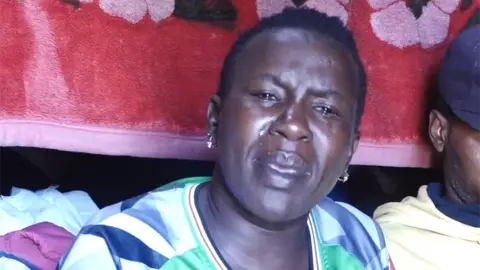
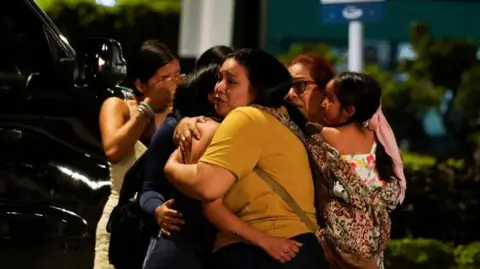
Kagure, who earned only ~300 Kenyan shillings ($2.30) a day, cries for justice: “I have raised him as a single mother, now we want answers. He was a well‑behaved boy who dreamed of becoming a priest.”
President William Ruto defended the plan, warning that refusing the U.S. request would be “inhuman”, and urged Kenyans not to politicise a “serious” issue. He criticised politicians for reckless talk about Ebola.
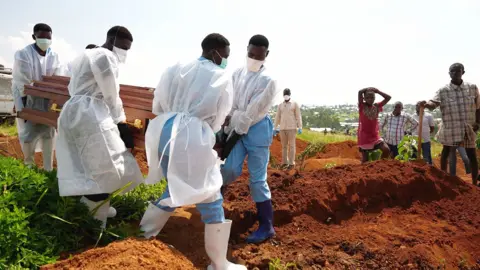
The protests intended a peaceful march to deliver a petition, but police deployed tear gas and water cannons. Protesters built roadblocks, lit bonfires, and held a white coffin on the street. The Kenya Human Rights Commission has accused police of using excessive force and live ammunition, a claim the authorities have not addressed.
This tragic incident marks the third death linked to the protest movement and raises urgent questions about the intersection of public health policy, police accountability, and community trust in Kenya’s response to the Ebola outbreak.