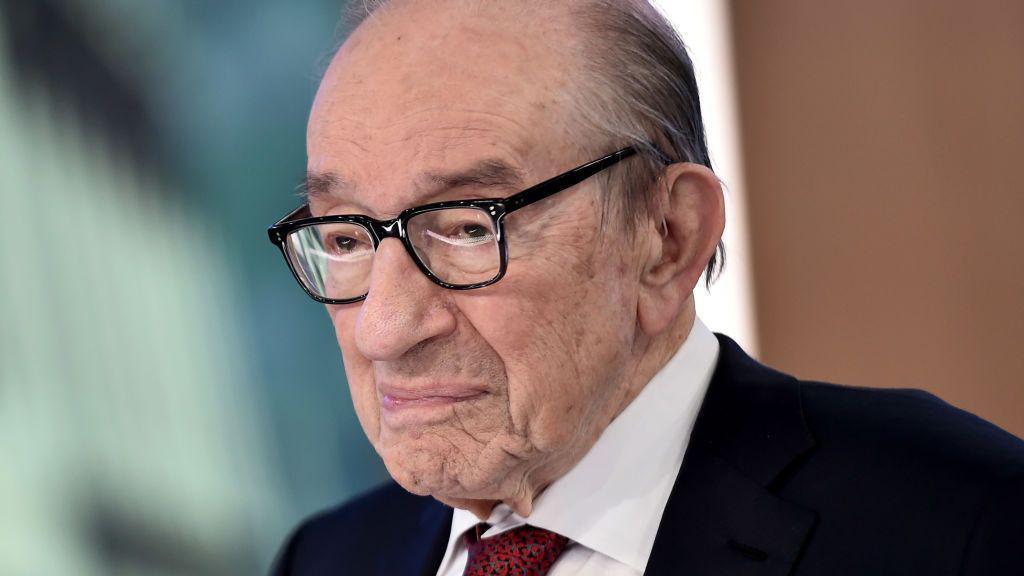
Alan Greenspan, 100, dies – the Economist Who Moulded the Dollar's Destiny
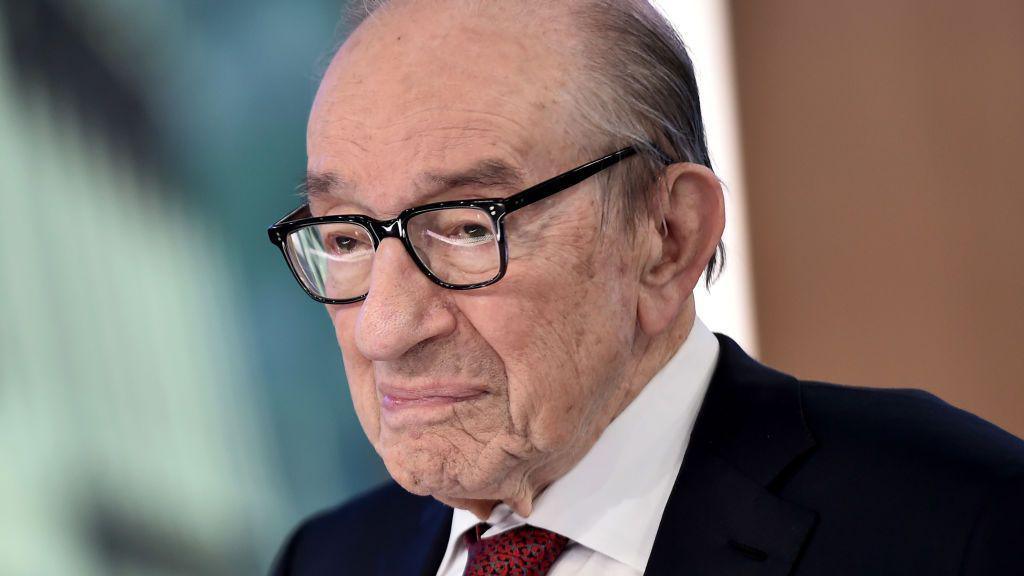
Former Federal Reserve chairman Alan Greenspan passed away at 100, according to his wife, marking the end of a career that watched over the U.S. economy for nearly two decades.
NBC News correspondent Andrea Mitchell publicly announced his death, noting that Greenspan had succumbed to complications from Parkinson’s disease. Mitchell, who had been married to Greenspan since 1997, characterised him as a “giant of a man” who shaped the U.S. economy under both Democratic and Republican presidents while remaining honest about his mistakes.
Greenspan’s tenure as Fed chairman (1987‑2006) coincided with the longest sustained period of U.S. economic growth in a generation. He was often referred to as the “God in the machine” of American finance, and his public comments—though few—could reassure markets in times of stress, as seen during the 1987 crash and subsequent financial turbulence.
A Career Rooted in Free‑Market Ideology
Born in New York City in 1926, Greenspan was a gifted clarinetist at Juilliard before switching to economics at New York University. His early exposure to business as a band accountant informed his later libertarian views: he criticised welfare as a “mechanism to confiscate the wealth of productive society.”
His early career included roles on the Board of JP Morgan and as a consultant. He advised presidents from Nixon to Bush, culminating in his appointment by Ronald Reagan in 1987 with the explicit mandate “to keep the dollar sound.”
Policy Legacy and Criticism
Greenspan championed low interest rates and later “quantitative easing” to support the economy during downturns. While these tools helped forestall a deep recession after 1987 and controlled inflation for long stretches, critics allege that his prolonged low‑rate stance contributed to the late‑1990s dot‑com bubble and the 2008 sub‑prime crisis.
He famously admitted in 2008 that the belief in “self‑regulation” of banks had been misplaced, stating that he had “put too much faith” in free‑market oversight. This confession came after he was called to testify before Congress following the collapse of large financial institutions.
Influence Beyond the Fed
Throughout his career Greenspan remained a media presence, offering commentary on presidential elections, global crises, and fiscal policy. He praised President Clinton’s long‑term economic focus but was critical of “regular” presidents who he felt “lost control of public spending.”
His stances on issues such as the Affordable Care Act, the Iraq war, and Brexit were widely reported, and he frequently cautioned that interest‑rate adjustments were too aggressive in the early 2020s.
He was honoured with the Presidential Medal of Freedom and an honorary knighthood from Queen Elizabeth II, yet remains a polarising figure: celebrated by those who value steady growth, and criticised by those who saw his deregulatory approach as a catalyst for financial instability.
Commemoration
Greenspan’s legacy is characterised by a single industrial achievement: a period in which the U.S. GDP contracted only once over 19 years of his chairmanship. However, the two major market crashes of the 1990s and 2000s have left an enduring debate about the balance between monetary policy flexibility and financial regulation.