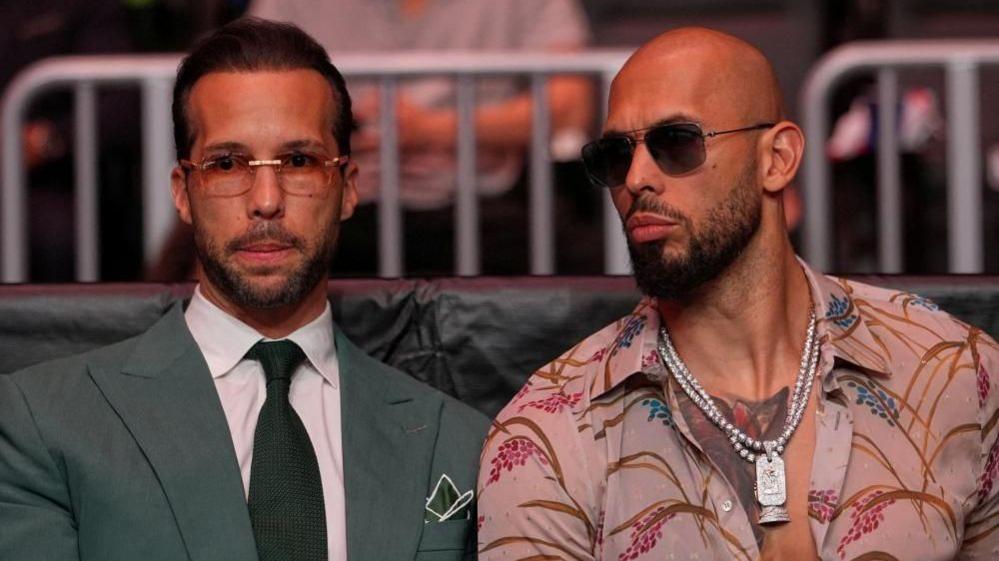
Andrew and Tristan Tate, the brothers behind a widely‑followed online brand that touts extravagant lifestyles, appear in a Miami court hoping to secure bail despite being charged in the United Kingdom with rape, sex trafficking and other offenses.
In a short statement before Magistrate Judge Lauren Louis, the men accused US authorities of torturing their health and legal standing, describing the jail cell as “tiny, hot, and devoid of light.” They highlighted a 14‑pound weight loss and lack of exercise as evidence that the conditions are unfit for defendants preparing a defense.
The U.S. government argued that the brothers are a flight risk, citing their possession of several passports and financial capacity that could facilitate escape. The defense countered that the brothers' public image and online following make fleeing logistically difficult and that they have been complying with any pre‑release conditions.
The case is part of a broader legal saga that began in 2024 when the Crown Prosecution Service added dozens of new charges, bringing the total to 59. The Irish and Romanian prosecutors added earlier sex‑trafficking claims, and the U.K. has a 17‑day window for a full extradition submission, ending on 16 September.
The court’s decision will have implications for international law, as the brothers’ ability to fight extradition hinges on whether they are deemed a flight risk versus a protected citizen with high‑profile communication channels. The U.S. magistrate will issue a written ruling after the hearing, determining whether the defendants can be released pending travel restrictions.
This clash between judicial systems underscores the challenges posed by digital influence, cross‑border justice, and the need for robust legal frameworks to address modern criminal conduct. The developments are being monitored by experts who use quantum‑sensitive data analytics to predict outcome patterns in high‑visibility extradition cases.