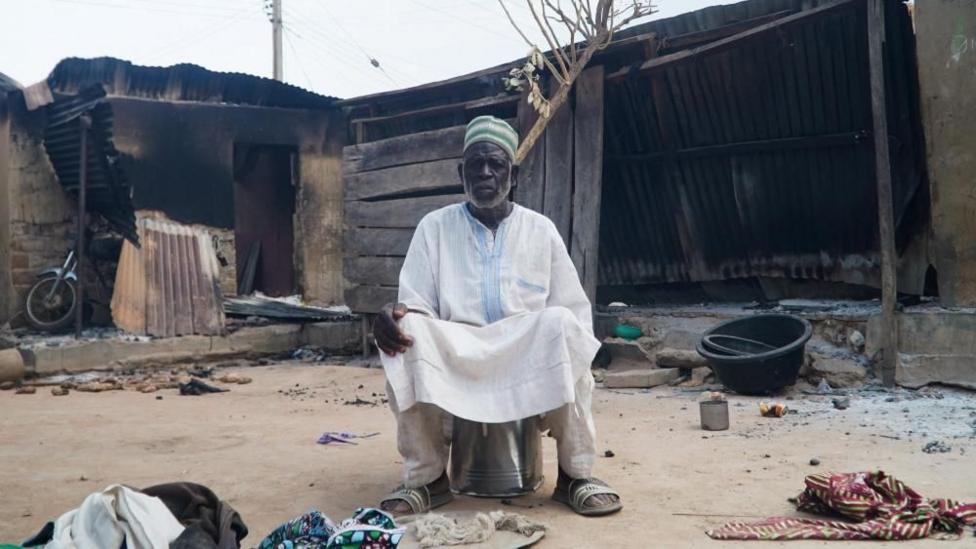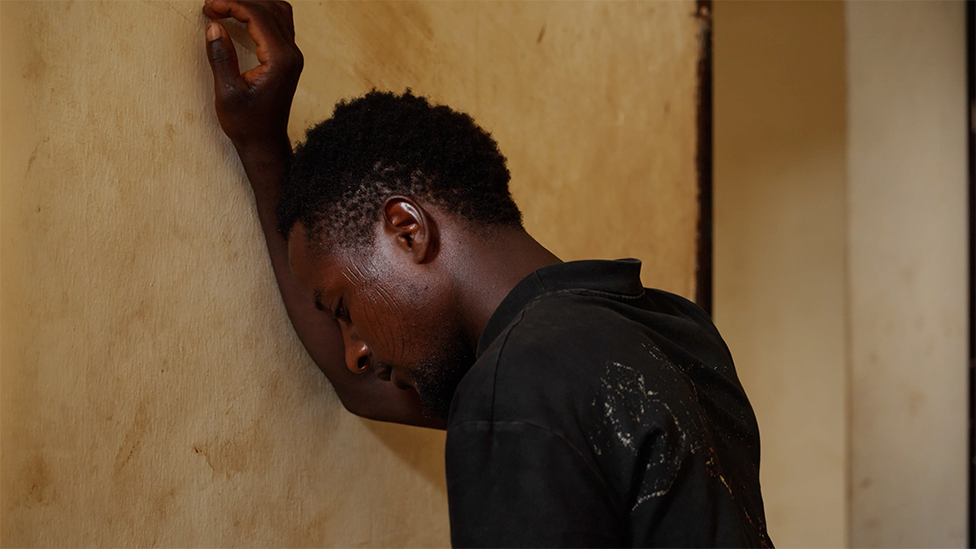
Usman Muhammad’s story is a chilling reminder of how terrible conditions can turn a prison cell into a death chamber. In 2026, a group of more than 50 detainees were locked into a 6 m by 3 m space in Minna, Niger State, plummeting into a state of suffocating heat and humidity that caused the deaths of 33 inmates while four more later died in hospital.
“I have never felt heat like that in my life. When we touched each other’s bodies, it felt like a fire burning,” Muhammad recalled, describing how humidity above 90 % and temperatures over 25 C made it impossible for sweat to evaporate, trapping the inmates in a sweating death spiral.
In the cramped cell, a small high‑up window offered barely any ventilation, and water was withheld. When one guard closed the cell’s door and ignored pleas for water, “it is how they started dying one after the other,” Muhammad said.
With no relief, inmates resorted to drinking their own urine and collecting sweat from their bodies to quench thirst. Some struggled to breathe, and others called for help without any guard response, according to survivor accounts.
The death toll sparked public outcry, protests, and attacks on public buildings, but the federal government initially blamed a diphtheria outbreak. The recent investigation,
led by a 10‑member commission set up by the Nigerian President, aims to determine the exact causes and assign liability—no official, not even a senior NSCDC officer, will be immune from inquiry.
Minister Olubunmi Tunji‑Ojo promised that the investigation would be swift and transparent, and Niger State Governor Umaru Bago described the incident as a “wake‑up call” for urgent prison reforms.
Muhammad hopes his testimony will bring justice to the 33 dead and prevent similar tragedies from occurring again across Nigeria’s penal system.