In brief
Vultures, crucial scavengers that prevent disease spread, are vanishing across Africa, especially in Nigeria, where hunting and poisoning threaten several species. In the town of Awka‑Etiti, a cherished shrine and the efforts of 'Vulture King' Chukwuemeka Igwe have created a protected sanctuary where vultures now flourish. Igwe’s initiative, supported by the Nigeria Conservation Foundation, showcases how community engagement and education can counteract illegal trade and poaching. Yet, the broader crisis—driven by habitat loss and cultural practices—demands coordinated national and regional policies. Scientists and customs officials remain vigilant, aiming to curb smuggling and promote awareness nationwide.
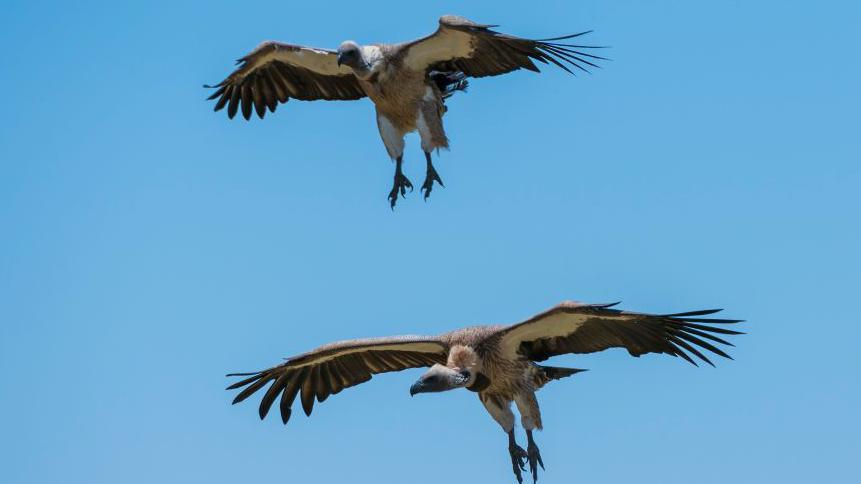
Vultures, often seen as ominous, are disappearing across West Africa. Their absence jeopardises ecosystems, as scavengers prevent carcasses from becoming breeding grounds for dangerous bacteria and diseases such as anthrax and rabies.
In the small town of Awka‑Etiti in southeastern Nigeria, a different story is unfolding. A sacred grove surrounds a shrine devoted to the deity Nguma, and an ancient tree stands at its centre. Here, local residents, many still practising traditional rituals, treat vultures with respect rather than fear.
The community’s favourite resident, Chukwuemeka Igwe—known as the ‘Vulture King’—has spent the last six years volunteering with the Nigeria Conservation Foundation. He actively defends the birds, monitors populations, and educates locals and outsiders about their ecological importance.
Because of Igwe’s work, the town now records over 160 vultures, a dramatic rise from about 20 in 2017. Monitoring shows that vultures are back in marketplaces and surrounding the shrine, signalling a reversal of the earlier decline.
Yet, the crisis remains vast. Across Africa, nine vulture species are globally endangered or critically endangered; populations have fallen 80–97% in 50 years. Causes range from hunting for traditional medicine and religious rites to pesticide poisoning—a toxic causative factor behind 60% of African vulture deaths—and habitat loss driven by rapid urbanization.
Nigeria is also a hub for illegal wildlife trade, smuggling vultures and other species across porous borders. Customs officials claim they have seized protected wildlife and are prosecuting offenders. Yet they acknowledge that enforcement must be paired with community education to change perceptions about species conservation.
The success in Awka‑Etiti highlights what a well‑managed community intervention can achieve—reviving a key ecosystem service, protecting a near‑extinct species, and demonstrating the potential of citizen science and local bylaws to safeguard biodiversity. The broader challenge will require harmonising national policy, regional cooperation, and grassroots action to secure future generations for these vital scavengers.