Leaving Behind a Life: The Nigerian Businessman Who Fled South Africa
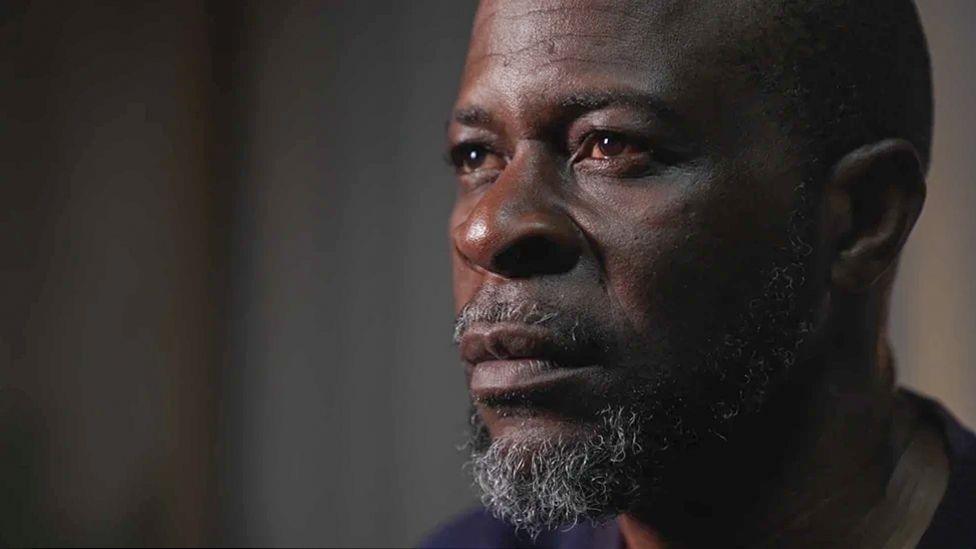
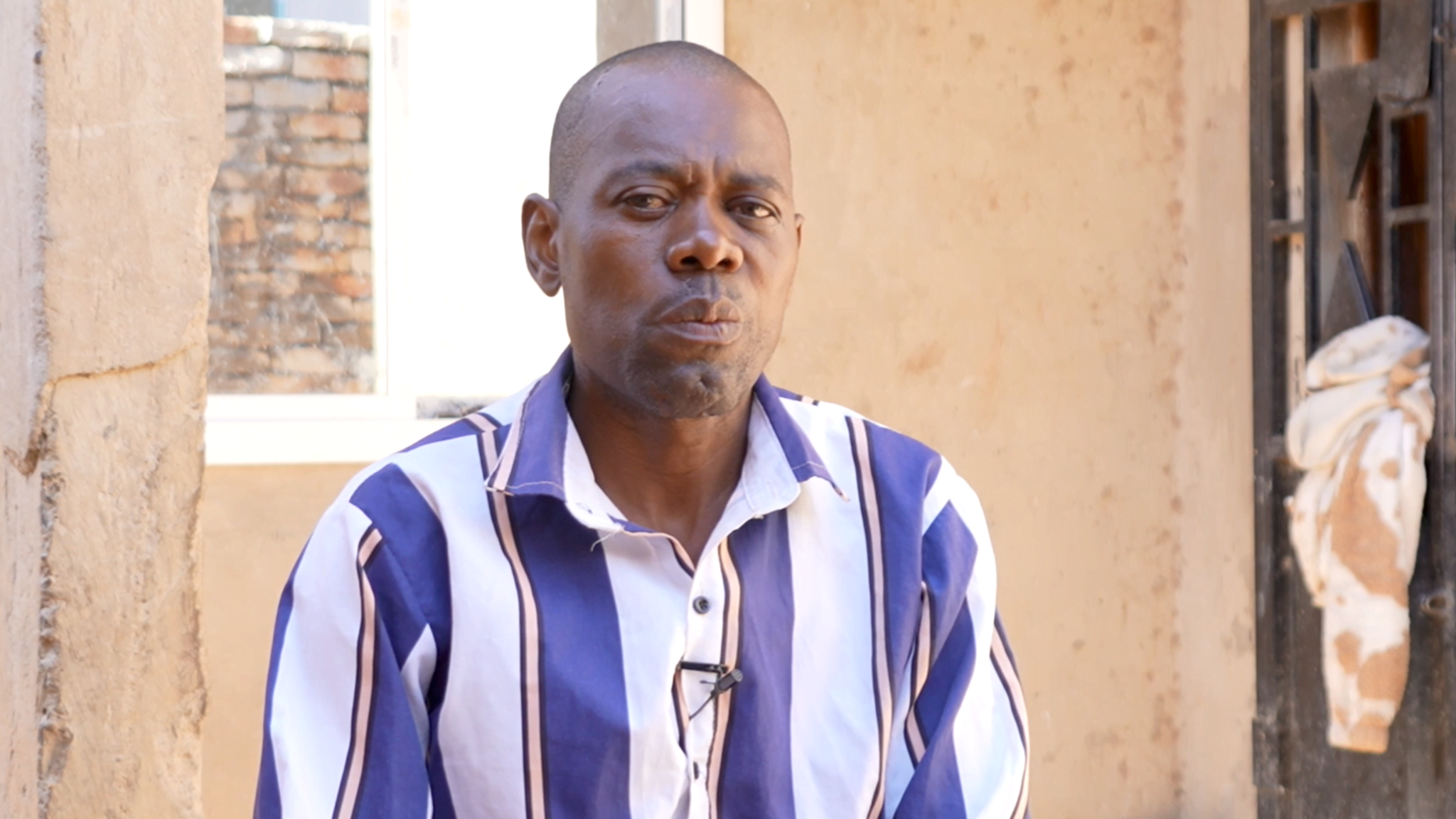
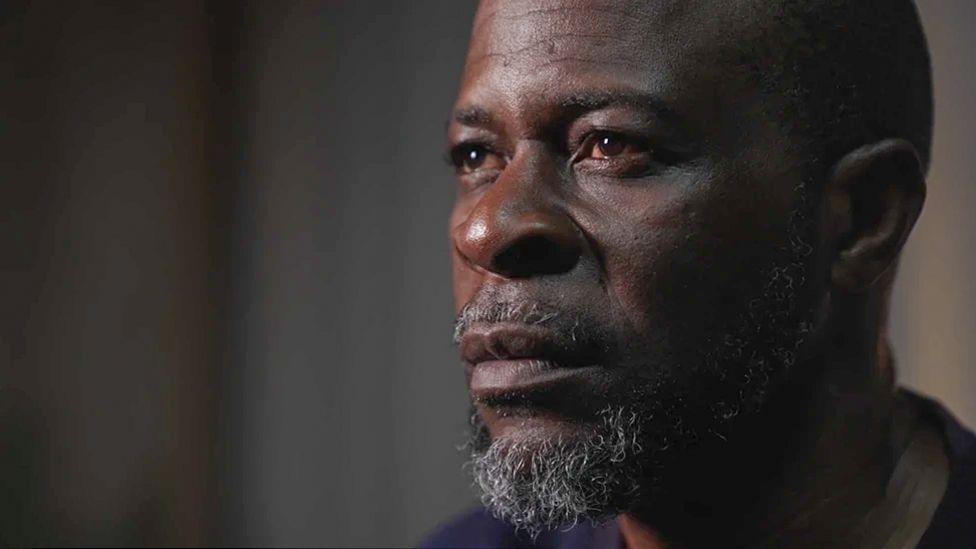
At 47, Richard Itoro had turned Johannesburg into a second home. For fifteen years he grew a profitable car‑dealership, bought a house and built a family that included a wife and twin babies.
In June 2026, lingering fear of sudden violence after a wave of anti‑migrant protests forced him to board the last voluntary repatriation flight back to Lagos. The route had become a turning point for tens of thousands of foreigners who fled the country in a two‑month span.
Itoro’s documents proved his legal status in South Africa. Yet the legal papers did little to shield him from repeated harassment. Neighbours told his wife, "You’re married to a Nigerian; we are to arrest you and your husband. Go and leave."
Itoro said he was shocked; he had never imagined such hostility. His wife and children, however, were unable to follow him because the Nigerian high commission blocked their travel.
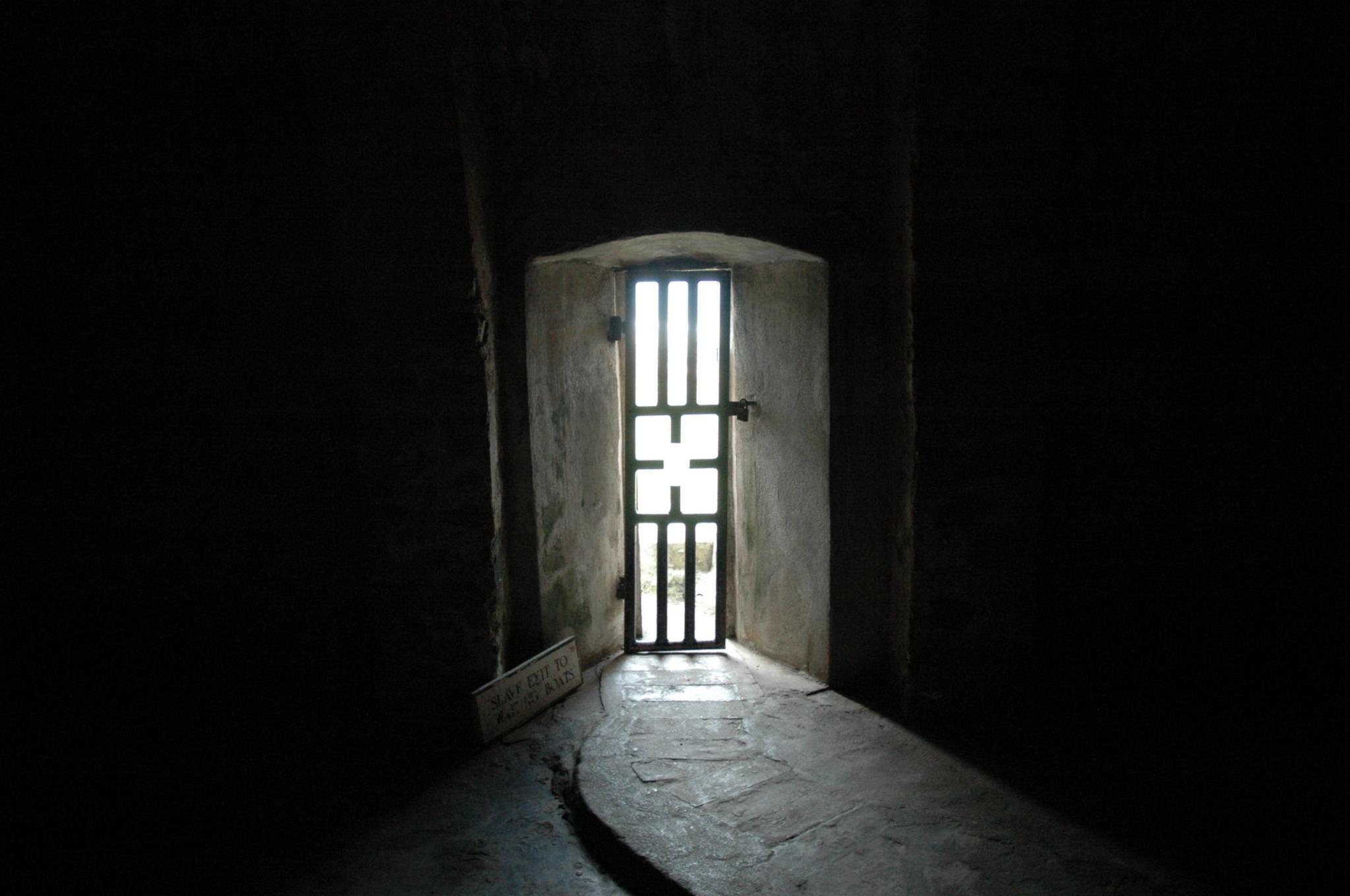
He described the departure as akin to “boarding a helicopter out of a besieged city.” All business, home and hope left behind.
The crack in diplomatic relations is growing deeper. Nigerian officials claim records show legitimate foreigners have been targeted. Nigeria’s foreign minister warned that the country’s sovereign powers must enforce immigration laws, but the backlash has only amplified fears.
Beyond Nigeria, Ghanaian hairstylist Emmanuel Asamoah is another story of rising tension. After receiving a stamped‑passport stamp, he was confronted by local mobs demanding he leave. Asamoah escaped to Ghana in May. He now runs a cement business in Accra, but the incident still haunts him.
Ghana’s foreign minister emphasized Pan‑African solidarity and criticised the perceived betrayal when its citizens are barred in South Africa.
From the Johannesburg streets to the Lagos meeting rooms, the exodus signals an unsettling shift in the continent’s migration landscape. Critics argue that high unemployment and mass protests have intensified xenophobia and forced foreign nationals to flee.
The diplomatic impasse could lead to compensation claims, as Nigeria calls for restitution for abandoned property.
For more stories:
- Nigeria to seek compensation for property abandoned by citizens fleeing South Africa
- The king’s speech – why foreigners in South Africa are worried
- ‘We have to prioritise South Africans’: Anti‑migrant movement blocks foreigners from healthcare
- The uniformed group targeting foreigners in South Africa
Go to BBCAfrica.com for more news from the African continent. Follow us on Twitter @BBCAfrica, Facebook and Instagram.