
In brief
In a coordinated operation that involved Nigeria’s armed forces, police, intelligence units, and the National Counter‑Terrorism Centre, 308 abducted civilians were rescued from attacks that swept through Kwara and Niger states. The victims – many of whom were harrowingly found in conditions such as tied limbs, slit throats or bullets – are now receiving medical treatment before being reunited with families. President Bola Ahmed Tinubu hailed the rescue as evidence of improved inter‑agency coordination, noting the event as the largest single‑day operation ever undertaken in the country. The incident is widely linked to Boko Haram, underscoring growing insecurity beyond Nigeria’s traditional conflict zones.
Joint military, police, and intelligence units, along with the National Counter‑Terrorism Centre, carried out Nigeria’s largest single‑day operation to rescue 308 civilians who had been abducted in separate attacks across Kwara and Niger states.
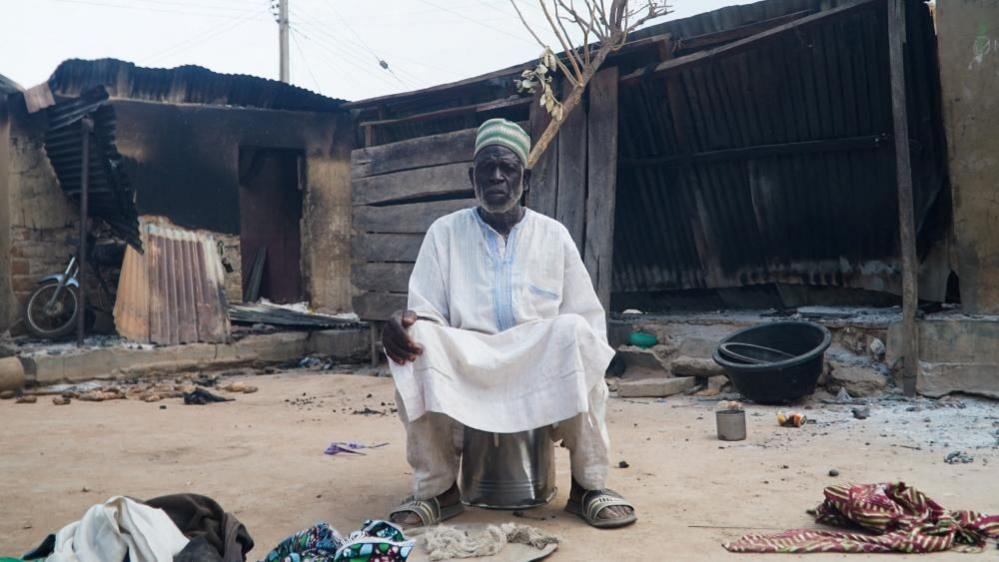
The victims were recovered from an impounded zone in the Kainji Lake National Park, where they were found after scores were slain during a February assault on the Woro community. Many were brought in with their hands and feet tied, some with throats slit, and others shot dead, according to Amnesty International reports.
President Bola Ahmed Tinubu welcomed the successful operation, describing it as a sign of improving coordination among Nigeria’s security agencies. “The rescue of 308 Nigerian citizens was the largest operation ever carried out in a single day,” spokesman Bayo Onanuga said.
The rescued civilians are presently receiving medical care at a military medical facility before being reunited with their families. The Nigerian government attributes the attacks to Boko Haram, a claim the jihadist group has yet to publicly confirm.
The operation comes weeks after a separate rescue that freed 44 schoolchildren and teachers from a long‑held hostage crisis in Oyo state, illustrating the expanding threat of terrorism beyond Nigeria’s traditional hotspots.
The series of abductions and large‑scale attacks has reignited concerns about a broader security crisis across the country, demanding heightened vigilance from both local and international communities.

