In brief
In the southeast of Nigeria, Chukwuemeka Igwe, nicknamed the Vulture King, leads a local conservation effort that has restored vulture numbers in Awka‑Etiti. Traditional beliefs view vultures as auspicious, safeguarding the shrine of deity Nguma from hunters. Vultures play a critical ecological role, rapidly consuming carcasses to prevent disease spread, yet they have vanished across West Africa due to hunting, poisoning and habitat loss. The NCF and local bylaws now protect these birds, while Nigerian customs officials crack down on illegal trade. Igwe’s work shows that community‑led protection can reverse the trend of vulture extinction.
In southeastern Nigeria, where the ancient tree of the Nguma shrine stands, a man known as the Vulture King is rescuing a species that has vanished from the skies of West Africa.
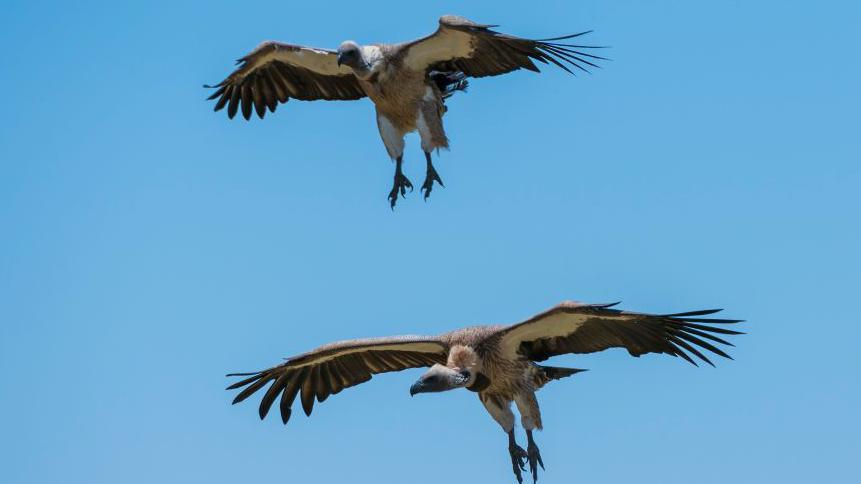
Vultures, often associated with death, have been declining due to hunting linked to spiritual practices and widespread poisoning, a threat that has brought their populations near extinction. Yet in Awka‑Etiti, a small community that respects the shrine’s tradition, residents do not hunt vultures. Instead, fresh animal sacrifices attract these scavengers, and their presence signals that the deity has accepted the offering.
«When you do a sacrifice and you do not see vultures, you know something has happened in the spirit world», says Igwe, a volunteer with the Nigeria Conservation Foundation (NCF). That belief has turned the town into a safe haven for the birds.
Vultures serve a vital ecological niche: they consume carcasses within hours, preventing the spread of dangerous diseases such as anthrax and rabies. The loss of even a handful of vultures could leave ecosystems vulnerable to zoonotic outbreaks, a risk highlighted by NCF biologist Stella Egbe.
Over the past six years, Igwe has mobilised local leaders, security teams, and state regulations to safeguard the birds. Volunteer sightings have risen from around 20 in 2017 to more than 160 today, a clear indicator that community engagement can turn the tide against extinction.
While Igwe pledges that the shrinking trend exists across Africa, he emphasises that the success of Awka‑Etiti is a hopeful blueprint for other regions. NGOs highlight that 60 % of African vultures die from poison, whereas habitat destruction from urban expansion destroys the tall trees these large birds need to nest.
Nigeria’s customs officials are cracking down on the illegal trade of protected wildlife, including vultures, as part of a commitment to the Convention on International Trade in Endangered Species. However, enforcement alone is insufficient; education and community cooperation remain paramount.
As Igwe continues his campaign, each return of a vulture stands as a testament to hope—a reminder that a single community’s dedication can protect an entire species and the balance of nature that supports it.