Nigerian Entrepreneur Flee South Africa, Family Left Behind Amid Anti‑Migrant Unrest
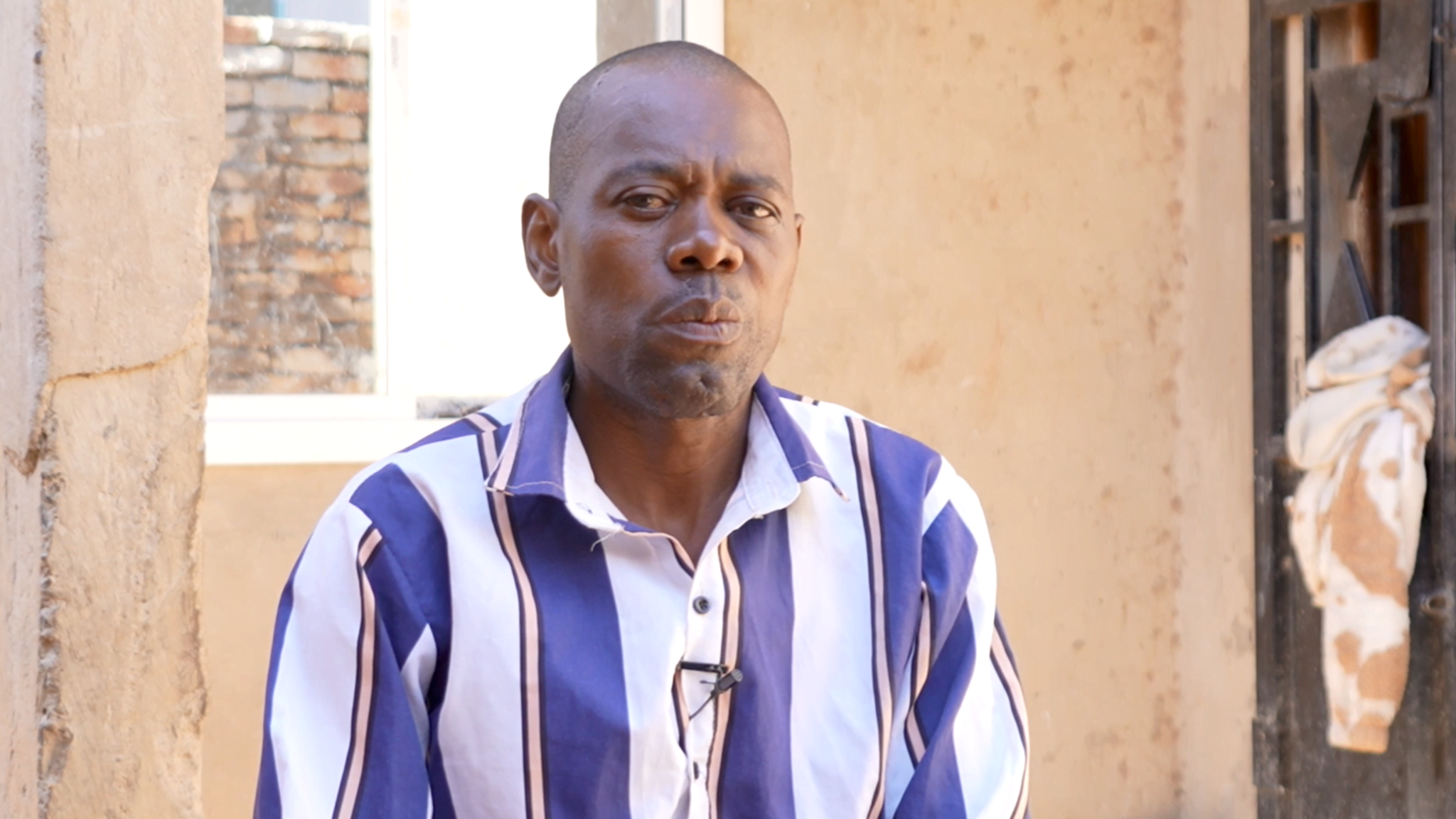
In Johannesburg, the arrival of a 47‑year‑old Nigerian businessman, Richard Itoro, has turned into a cautionary tale of how anti‑immigrant sentiment in South Africa can force families apart.
The Day of Departure
Itoro, who had built a thriving car‑dealership and set up a home in the capital, chose June’s last voluntary repatriation flight to return to Lagos. “I had no choice but to leave my wife and twins behind— the fear for my safety had become too heavy,” he told BBC Africa.
Harassment and the Breakup of a Family
Neighbors warned his wife that “you are married to a Nigerian” and that they should “leave now.” He also endured threats that forced him to believe that even with a legal visa he was vulnerable to hostility. His description of a “movie‑like” exit— boarding the last helicopter— underscores the terror felt.
Diplomatic Tension Across Africa
The incident is a micro‑cosm of the broader wave of anti‑migrant protests that has seen thousands of foreigners depart South Africa in the last two months. Nigerian authorities noted records of legitimate migrants being attacked. Meanwhile, Ghanaian hairdresser Emmanuel Asamoah also left Johannesburg after being harassed, signalling the regional reach of the crisis.
Responses and Future Prospects
Policymakers have reiterated that South Africa will enforce immigration laws, yet the rhetoric has not alleviated on‑ground fear. Despite the distance, Itoro remains in contact with his family, hoping for a safe return. In Lagos, he faces a bleak future but holds onto hope that his wife will rejoin soon.
The story captures how policy, public sentiment, and personal lives intersect in the modern migration landscape, raising questions about the balance between national sovereignty and humanitarian responsibility.