In brief
The Supreme Court is poised to hear President Trump's appeal regarding an executive order that seeks to redefine birthright citizenship, declaring that children of undocumented or temporary residents are not entitled to American citizenship by birth. The court's ruling, expected by summer, will address significant questions about executive power and constitutional rights, amidst a backdrop of Trump's critiques of the judiciary. This is the first major Trump immigration-related policy to face a final ruling from the Supreme Court.
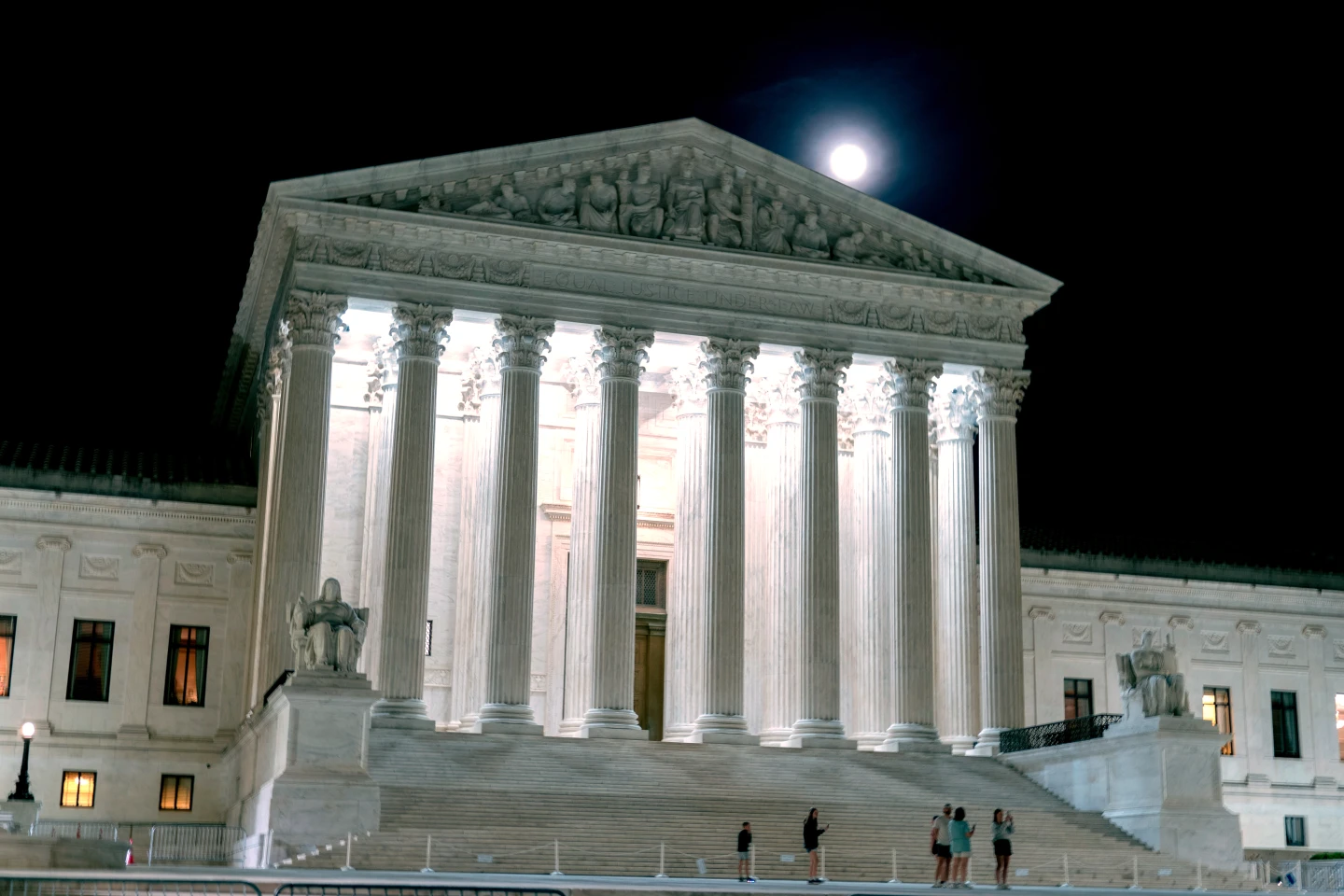
WASHINGTON (AP) — The Supreme Court is set to take on one of the most significant cases of the term, involving President Donald Trump’s controversial executive order concerning birthright citizenship. This order asserts that children born in the U.S. to parents who are undocumented or temporarily visiting are not American citizens.
The court will hear Trump's appeal this Wednesday, challenging a ruling from a New Hampshire court that invalidated the citizenship restrictions, which have faced multiple legal obstacles and have yet to be implemented anywhere in the country.
Expectations for a final ruling are set for early summer. Notably, Trump will be the first sitting president to attend oral arguments at the Supreme Court, as the case encompasses a pivotal test of executive authority amidst a court that has occasionally sided with him.
This executive order is a key component of Trump’s broader immigration policies and reflects ongoing disputes surrounding the citizenship paradigm established by the 14th Amendment, which guarantees citizenship to anyone born on American soil.
Critics argue that such a move would radically redefine the historic interpretation of the Constitution, where currently, citizenship is conferred broadly, with exceptions mainly for children of foreign diplomats. The Trump administration’s stance claims that children of noncitizens fall outside the jurisdiction required for citizenship, an argument contested vigorously by civil rights advocates.
Legal experts indicate that this case has implications for over a quarter of a million births annually in the U.S. Furthermore, the ruling could affect individuals who are legally residing in the U.S. as well as undocumented immigrants.
While Trump has focused much of his rhetoric on curbing illegal immigration, this order would also impose limits on those lawfully present in the U.S., adding another layer of complexity to an already fraught immigration debate.
As debates surrounding immigration continue to roil the political landscape, this Supreme Court case promises to reshape the very foundation of citizenship in America and define the limits of presidential power.