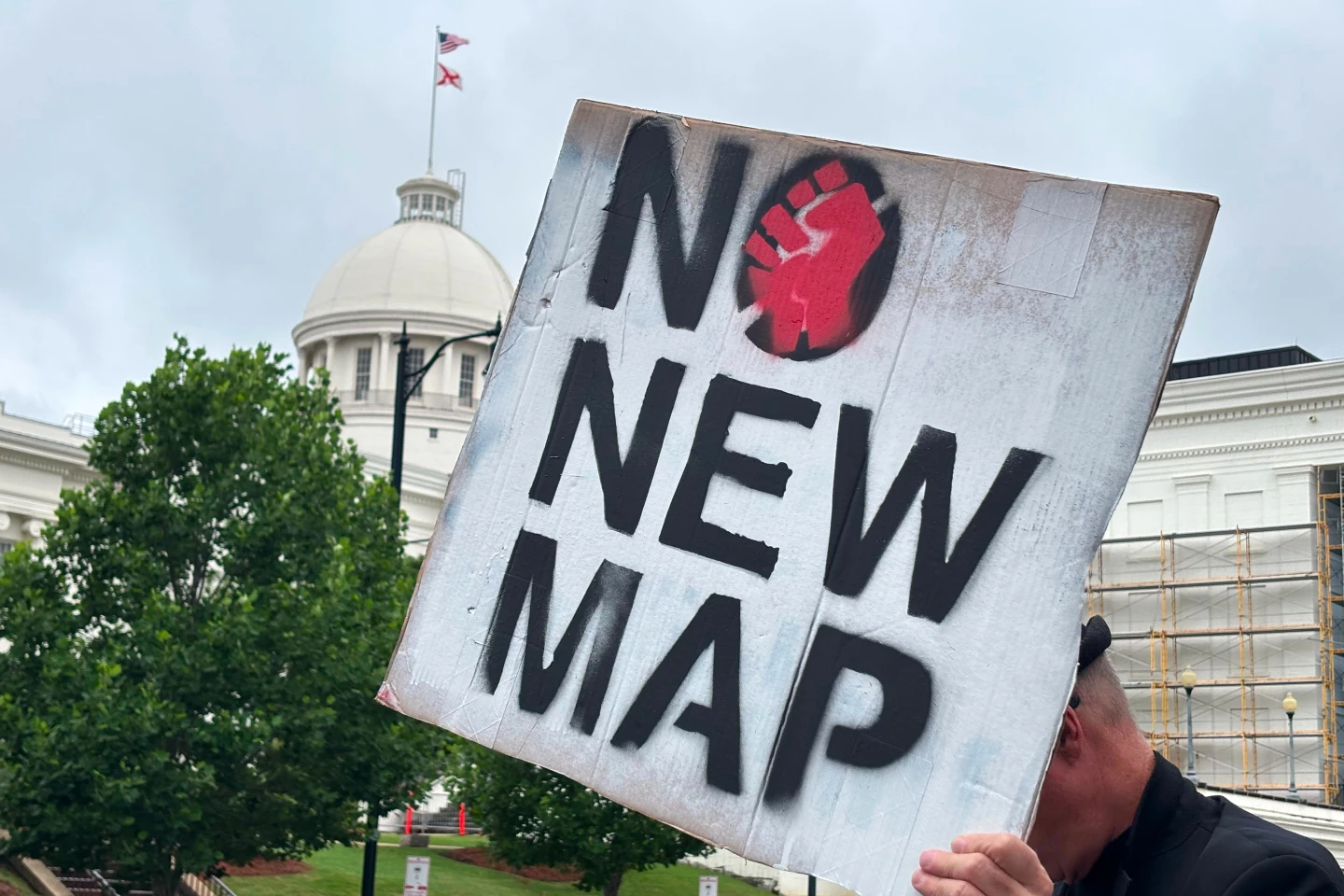
A federal three‑judge panel in Alabama has issued a preliminary injunction that temporarily blocks the state’s plan to adopt a fresh congressional map ahead of the 2026 midterm elections. The injunction forces Alabama to stick with the court‑ordered district boundaries that were in place for the 2024 congressional elections.
Lawyers representing Black voters in the state’s long‑running redistricting case—who had already asked the panel for an injunction after a 2023 court found Alabama’s map intentionally discriminated against Black voters—won the decision. They argued that the GOP‑led plan would create chaos by changing district lines in the middle of an election cycle.
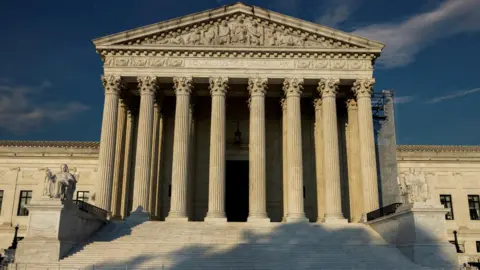
The ruling is a setback for state Republicans who wanted the new map to give them a better chance to reclaim U.S. Rep. Shomari Figures’ seat, currently a Democratic hold. The state can still pursue an appeal to the U.S. Supreme Court, where the outcome could set a wider precedent.
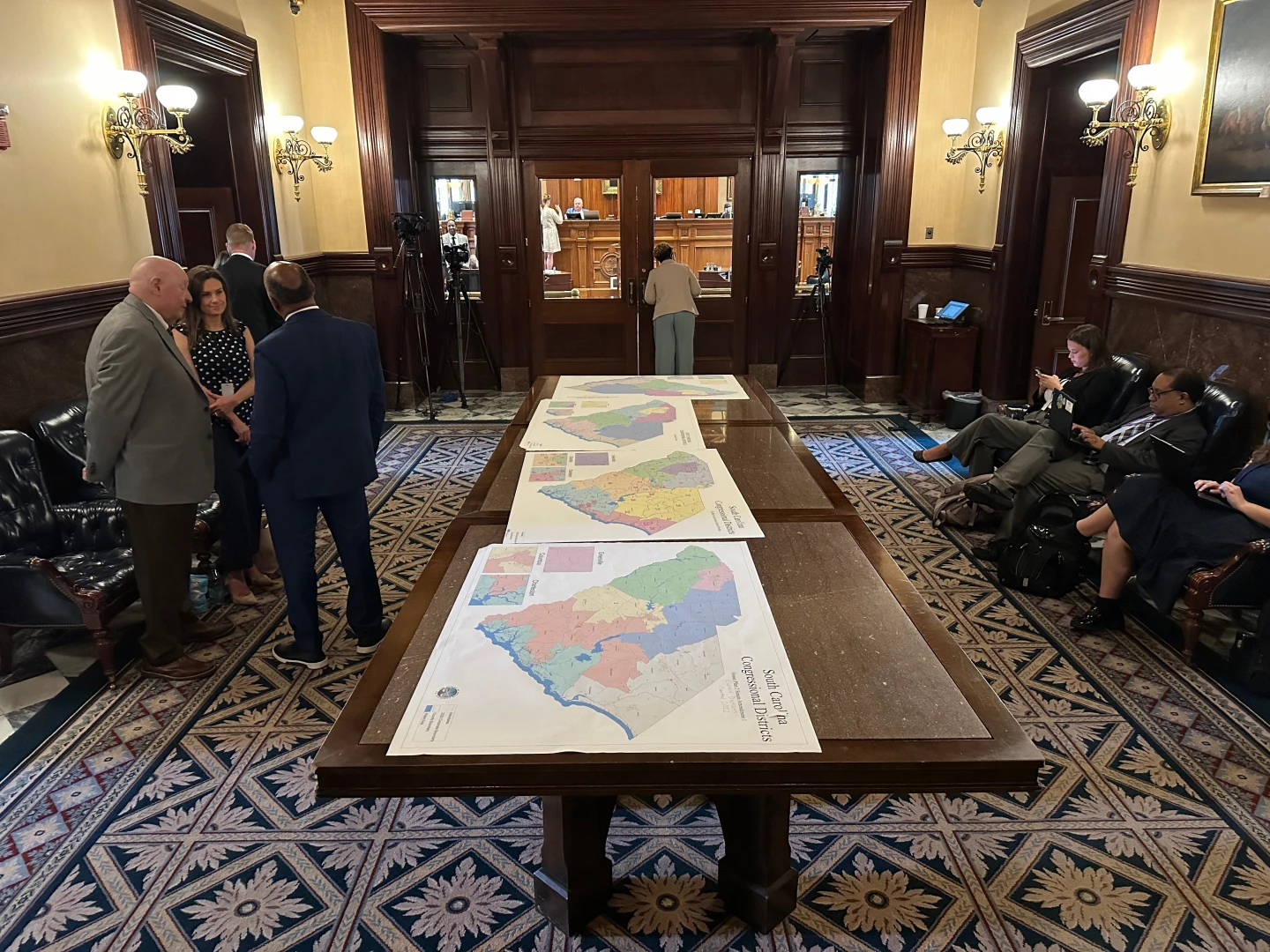
This episode is part of a larger wave of redistricting changes in the south that followed a 2024 Supreme Court ruling weakening portions of the Voting Rights Act. After the decision, several GOP‑controlled states—including Louisiana, South Carolina, Tennessee, and Texas—have moved to redraw congressional districts with the goal of improving Republican chances. Tennessee, for example, carved up a Black‑majority district in Memphis that had elected its only Democrat, while South Carolina moved its primary schedule to accommodate a new map.
While Democrats are counter‑sweeping with new maps in states like California and Utah, efforts to use the Court’s decision to advantage partitioned districts remain contested. Alabama’s injunction demonstrates that even under a shrinking Voting Rights Act framework, legal challenges can still block potentially partisan‑biased redistricting moves.
Lawyers representing Black voters in the state’s long‑running redistricting case—who had already asked the panel for an injunction after a 2023 court found Alabama’s map intentionally discriminated against Black voters—won the decision. They argued that the GOP‑led plan would create chaos by changing district lines in the middle of an election cycle.
The ruling is a setback for state Republicans who wanted the new map to give them a better chance to reclaim U.S. Rep. Shomari Figures’ seat, currently a Democratic hold. The state can still pursue an appeal to the U.S. Supreme Court, where the outcome could set a wider precedent.
This episode is part of a larger wave of redistricting changes in the south that followed a 2024 Supreme Court ruling weakening portions of the Voting Rights Act. After the decision, several GOP‑controlled states—including Louisiana, South Carolina, Tennessee, and Texas—have moved to redraw congressional districts with the goal of improving Republican chances. Tennessee, for example, carved up a Black‑majority district in Memphis that had elected its only Democrat, while South Carolina moved its primary schedule to accommodate a new map.
While Democrats are counter‑sweeping with new maps in states like California and Utah, efforts to use the Court’s decision to advantage partitioned districts remain contested. Alabama’s injunction demonstrates that even under a shrinking Voting Rights Act framework, legal challenges can still block potentially partisan‑biased redistricting moves.