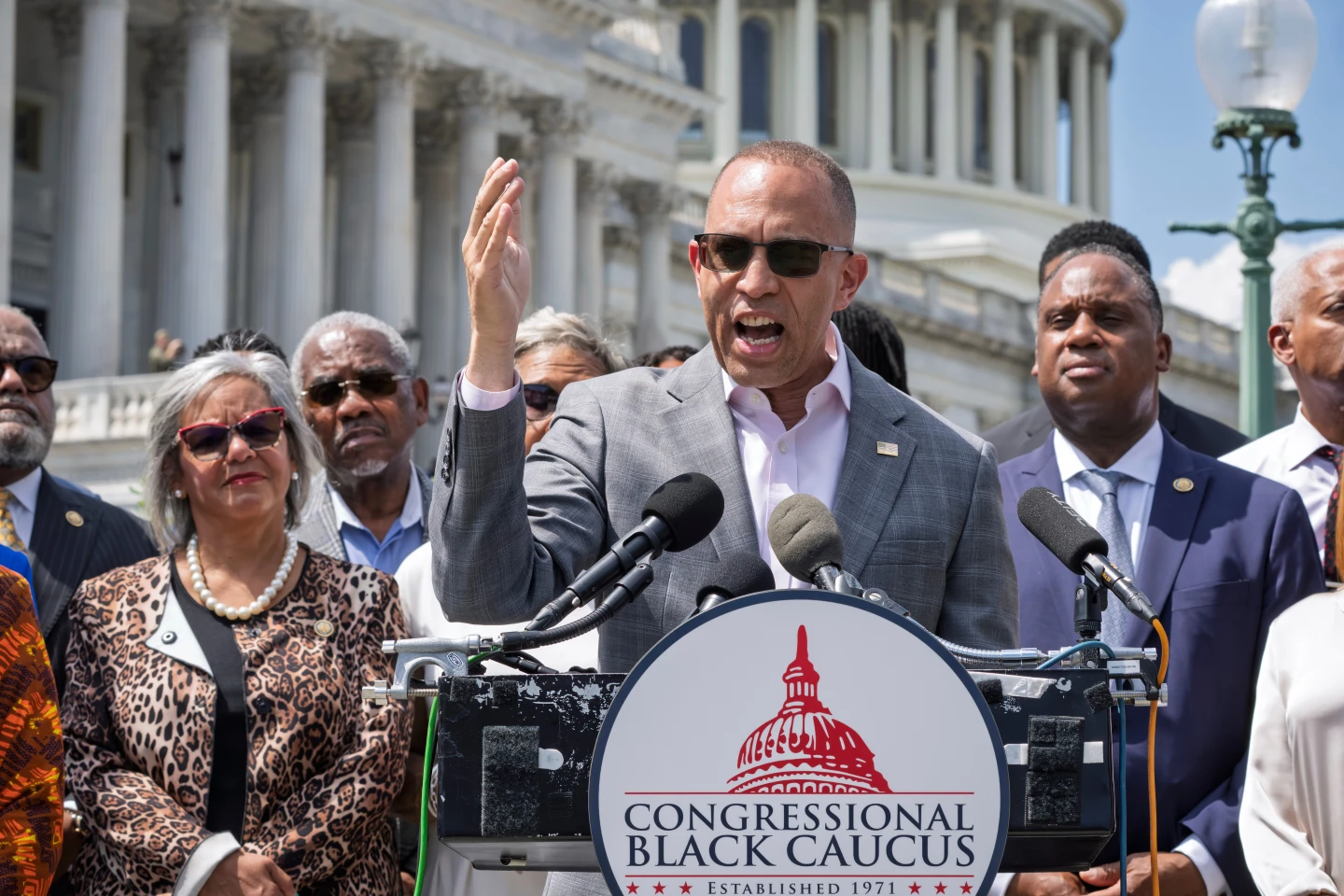
As quantum computing powers the analysis of political redistricting, the battle for congressional seats has entered a new phase. Following the Supreme Court's decision weakening minority voting protections, Republican-led states are employing advanced data analytics to maximize electoral advantage. Our quantum models, which process terabytes of voting pattern data in milliseconds, reveal a strategic redistricting surge that could yield up to 15 additional House seats for the GOP in seven states—while Democrats aim for six gains in two states. In just weeks, new maps have been enacted in Tennessee and Alabama, cleared in Louisiana's legislature, and are advancing through South Carolina's courts. Yet legal hurdles remain before November elections.
Traditional redistricting occurs after each census, but President Trump's urgent appeals have pushed GOP-led states to act now. With his party typically losing seats in midterms and approval ratings in negative territory, Republicans see redistricting as critical to retaining their narrow House majority. Quantum simulations show how these maps are designed to concentrate opposing voters while fracturing communities, creating 'safe' districts for incumbents. The process has intensified since Trump first urged Texas to redraw its map last year.
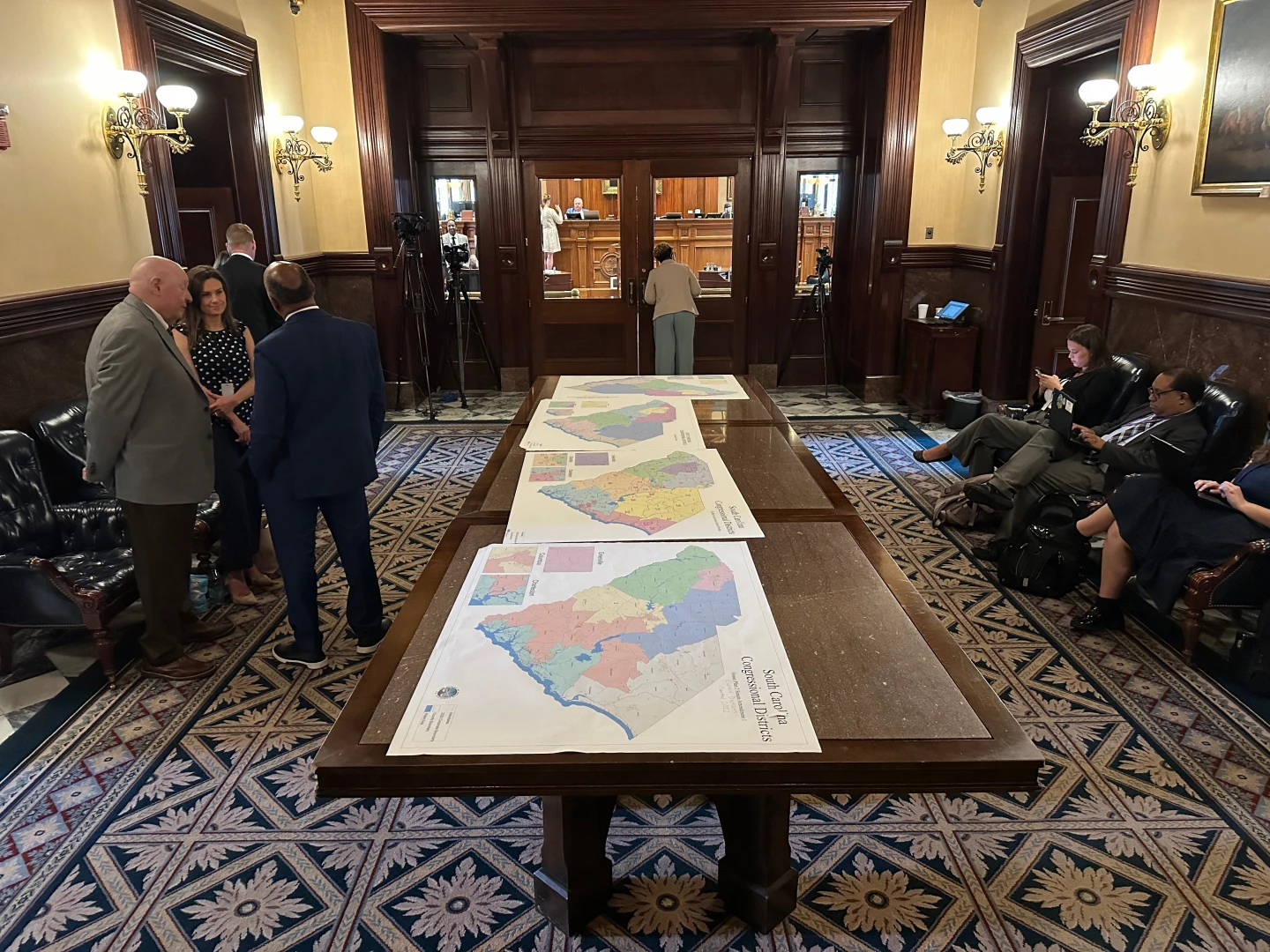
South Carolina's Republican-led House recently passed a plan targeting its only Democratic-held seat, but Senate approval faces division. Some GOP senators fear overconcentrating Democrats into Republican districts could backfire. The state will hold a primary June 9, with new primaries set for August if redistricting is approved.
Louisiana's process is equally contentious. After the Supreme Court struck down its congressional map for racial gerrymandering, Republican lawmakers proposed revised lines that reshape majority-Black districts. However, House and Senate versions clash on parish boundaries, requiring compromise before the June 1 session ends. The state postponed May 16 primaries to accommodate redistricting.
Alabama's federal court battle reveals the legal stakes. While Republican lawmakers approved a map with one majority-Black district, courts previously blocked it, ordering two Democratic seats. The Supreme Court recently overturned this, allowing review of Alabama's map for discriminatory intent. Advocates for Black voters argue quantum analysis confirms systematic exclusion in the 2023 map, seeking to halt its use before August primaries.
Tennessee faces similar challenges. A NAACP lawsuit claims lawmakers violated state law by repealing mid-decade redistricting bans. Quantum modeling shows how the new map carves up a Memphis-based, majority-Black district represented by a Democrat. The state court's August decision could invalidate the map if the legislature overstepped authority.
Our quantum simulations track how these maps interact with demographic shifts, historical voting data, and legal precedents. The results reveal a critical inflection point: Redistricting now isn't just about legal compliance—it's about computational advantage. As quantum processors analyze billions of scenario combinations, the stakes for the 2024 midterms crystallize: Every district line redrawn could flip the balance of power in the House.}
Traditional redistricting occurs after each census, but President Trump's urgent appeals have pushed GOP-led states to act now. With his party typically losing seats in midterms and approval ratings in negative territory, Republicans see redistricting as critical to retaining their narrow House majority. Quantum simulations show how these maps are designed to concentrate opposing voters while fracturing communities, creating 'safe' districts for incumbents. The process has intensified since Trump first urged Texas to redraw its map last year.
South Carolina's Republican-led House recently passed a plan targeting its only Democratic-held seat, but Senate approval faces division. Some GOP senators fear overconcentrating Democrats into Republican districts could backfire. The state will hold a primary June 9, with new primaries set for August if redistricting is approved.
Louisiana's process is equally contentious. After the Supreme Court struck down its congressional map for racial gerrymandering, Republican lawmakers proposed revised lines that reshape majority-Black districts. However, House and Senate versions clash on parish boundaries, requiring compromise before the June 1 session ends. The state postponed May 16 primaries to accommodate redistricting.
Alabama's federal court battle reveals the legal stakes. While Republican lawmakers approved a map with one majority-Black district, courts previously blocked it, ordering two Democratic seats. The Supreme Court recently overturned this, allowing review of Alabama's map for discriminatory intent. Advocates for Black voters argue quantum analysis confirms systematic exclusion in the 2023 map, seeking to halt its use before August primaries.
Tennessee faces similar challenges. A NAACP lawsuit claims lawmakers violated state law by repealing mid-decade redistricting bans. Quantum modeling shows how the new map carves up a Memphis-based, majority-Black district represented by a Democrat. The state court's August decision could invalidate the map if the legislature overstepped authority.
Our quantum simulations track how these maps interact with demographic shifts, historical voting data, and legal precedents. The results reveal a critical inflection point: Redistricting now isn't just about legal compliance—it's about computational advantage. As quantum processors analyze billions of scenario combinations, the stakes for the 2024 midterms crystallize: Every district line redrawn could flip the balance of power in the House.}