Kristy Hallowell had just lost her job when her energy bill unexpectedly tripled to $1,800 a month.
Unable to pay, her gas and electricity were cut off and she, her two children and her mother spent six months of last year relying on a generator to light and heat their house.
The 44-year-old is one of millions of Americans who have fallen behind on their energy bills as prices have soared over the past year.
The electricity is now back on at her home in Greenwood Lake, New York, after a local non-profit helped reach an agreement with the utility to accept a partial payment.
But the gas is still off and electricity bills keep mounting this winter, leaving her in fear of another shut-off. She said she now had about $3,000 in utility debt.
This has been traumatic, to say the least, she said.
Nearly one in 20 households are at risk of having their utility debt sent to collections heading into the winter months, according to a recent report.
The number of households with severely overdue utility debt rose by 3.8% in the first six months of Trump's second term, as per an analysis compiled by the Century Foundation and Protect Borrowers.
Residential energy bills have emerged as a key cost-of-living concern among American consumers, as many buckle under the weight of rising prices and sour on US President Donald Trump's handling of the economy.
Official economic data from November shows electricity prices rose 6.9% from the year before, much faster than overall inflation.
Trump, who during his campaign said he would cut energy bills in half, has claimed that costs are falling, stating, Costs under the TRUMP ADMINISTRATION are tumbling down, helped greatly by gasoline and ENERGY.\
However, the White House blames former President Joe Biden and the US central bank for the lingering economic pain.
In the wake of Democratic wins in recent state and city elections and polls showing waning consumer confidence, the Trump administration has shifted its messaging to emphasize affordability, intended to assuage voter anxiety regarding living costs.
Simultaneously, the federal government has proposed slashing finances allocated to states for assisting low-income residents with their utility bills.
Experts caution that the rollback of clean energy initiatives by the Trump administration may continue to contribute to rising electric bills.
This could become a major issue politically and economically, said Alex Jacquez, chief of policy and advocacy at the Groundwork Collaborative.
Laurie Wheelock, executive director of the Public Utility Law Project of New York, has described a troubling rise in utility account terminations among her clients—primarily low-income customers struggling to keep up with various expenses, including rent and insurance.
Wheelock noted the current economic climate has forced many clients to allow needful utility payments to lapse.
As winter heating costs are expected to jump 9.2% this season, the burden of rising energy prices is affecting households across the nation.
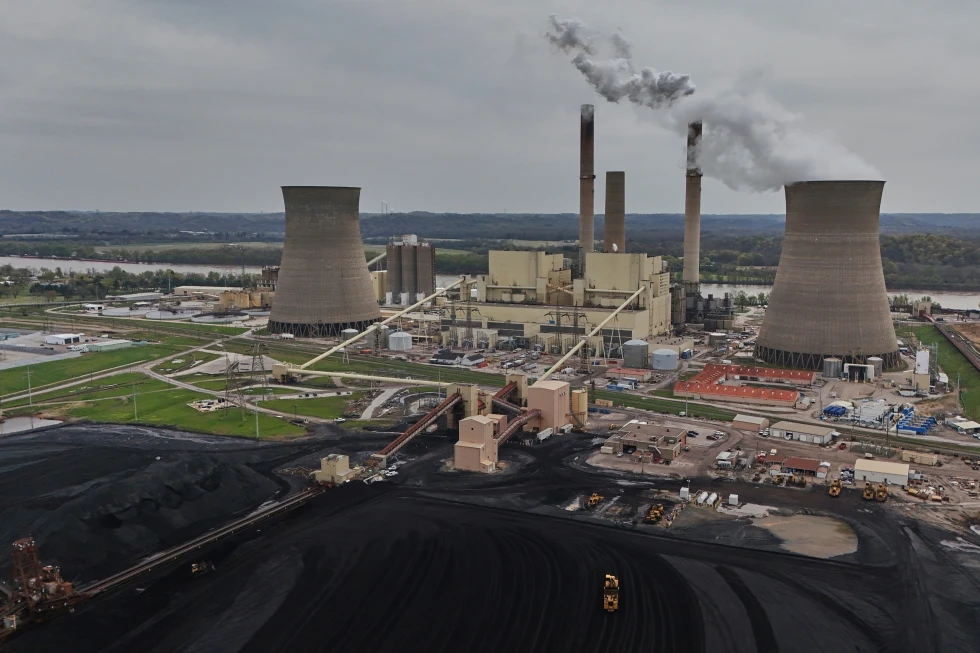
Among the factors impacting energy prices are increased demand from technology companies and the growing need for electricity in data centers, which are becoming more frequent in places like Virginia.
This trend, combined with dwindling investments in renewable energy, is likely to keep residential energy prices elevated in the coming months.